
 EN
EN
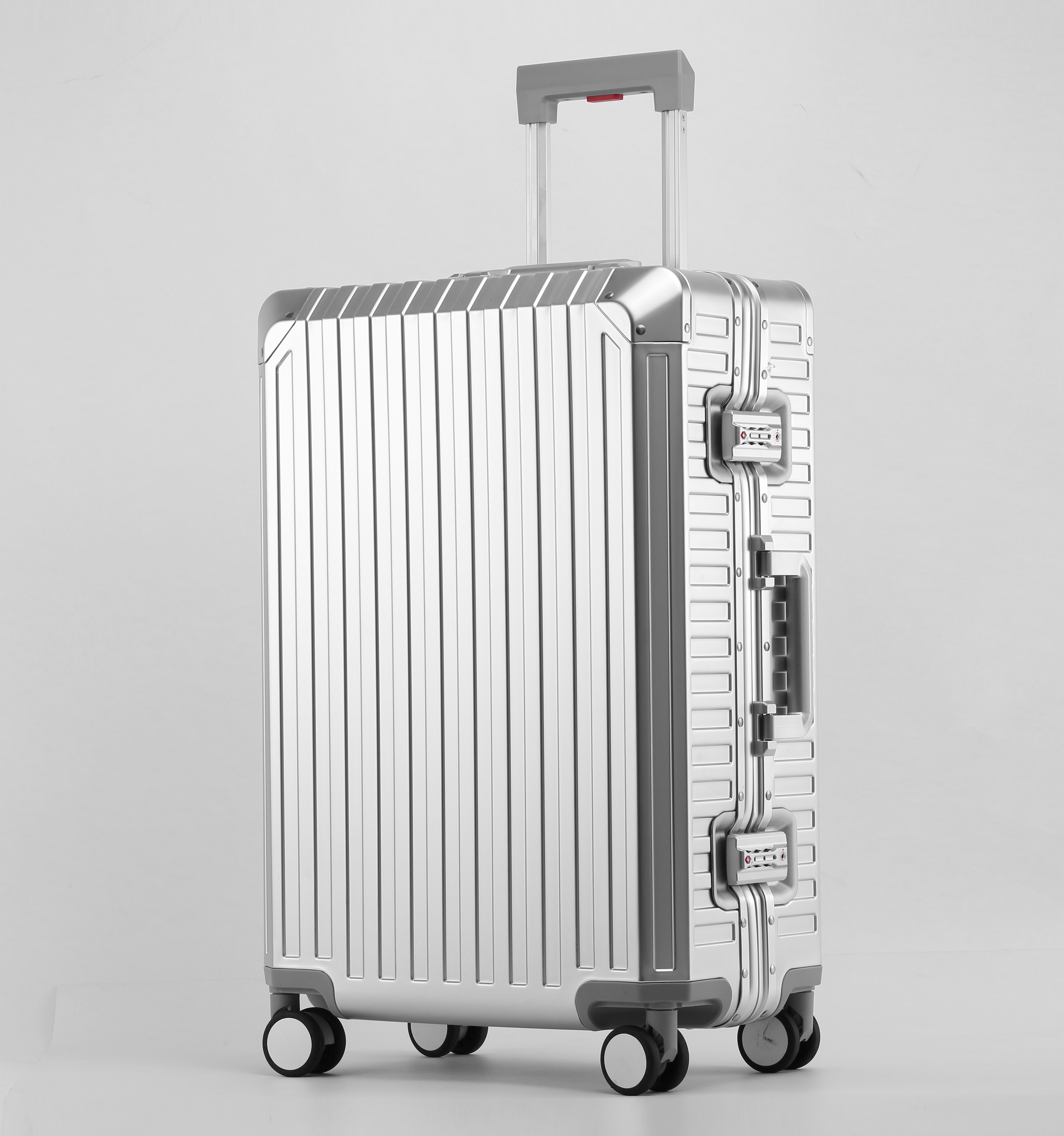
Selecting the best wholesale luggage for retail success requires understanding what modern travelers demand and what profit margins retailers need to thrive. The luggage market has evolved significantly, with consumers now prioritizing durability, design, and functionality over price alone. When you choose the right luggage for your retail inventory, you position your business to capture market share, build customer loyalty, and achieve sustainable profitability. The best luggage combines practical features with aesthetic appeal, ensuring that your retail customers feel confident in their purchases and return for future shopping.
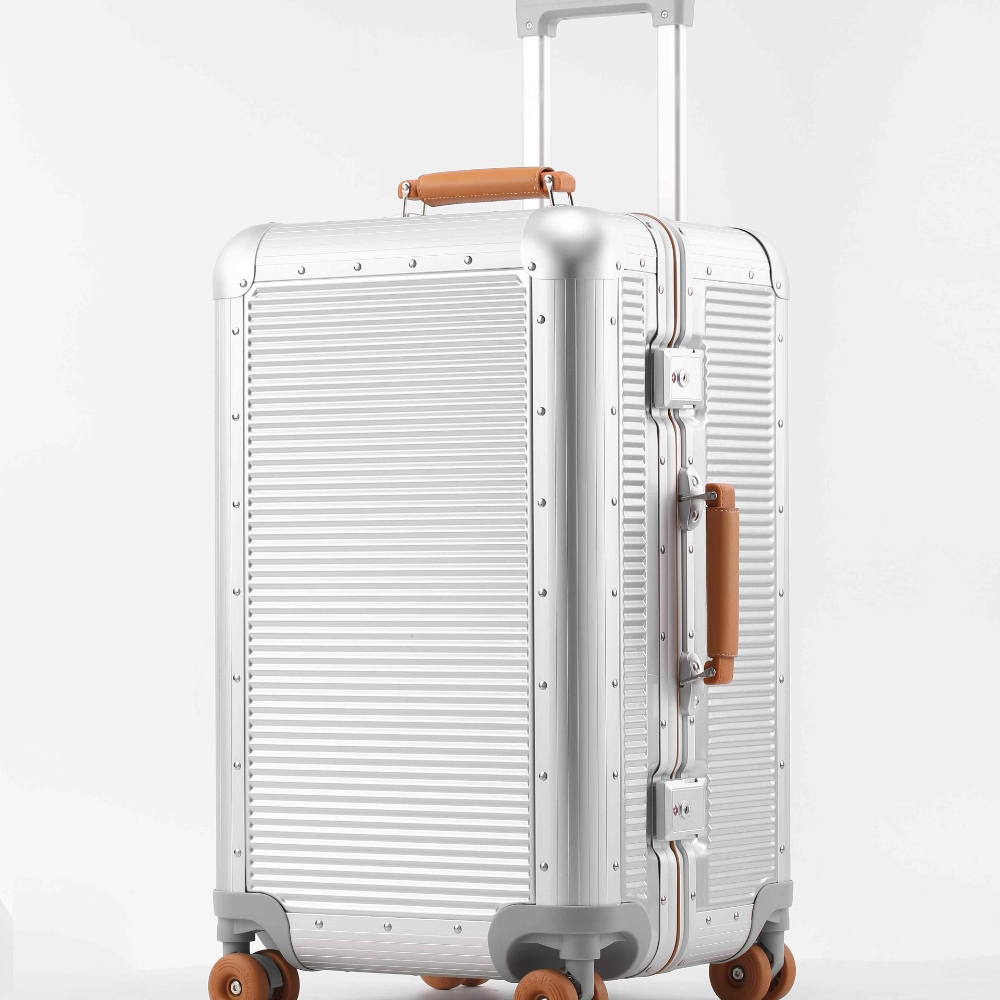
Retail success in the luggage category hinges on offering products that meet three core benchmarks: quality construction, competitive pricing, and market-responsive design. Wholesale luggage suppliers vary widely in their offerings, so retailers must develop a clear evaluation framework. By understanding material science, manufacturing standards, and consumer behavior trends, you can identify luggage that resonates with your target demographic and justifies your markup while maintaining customer satisfaction and repeat business.
Understanding Core Luggage Quality Indicators
Material Construction and Durability Standards
The foundation of quality luggage lies in material selection and construction methods. Polycarbonate and aluminum-frame luggage represent the two dominant material categories in wholesale markets. Polycarbonate luggage offers lightweight durability and impact resistance, making it ideal for frequent travelers who value easy handling. Aluminum-frame luggage provides superior structural support and longevity, appealing to business travelers and premium market segments. When evaluating wholesale luggage options, inspect the thickness of polycarbonate shells and the gauge of aluminum framing to ensure they meet industry standards for multi-year durability.
Hardware components also determine luggage longevity. Quality luggage includes robust zippers, reinforced corner guards, and secure handle attachments. Wholesale luggage suppliers should provide detailed specifications on zipper materials, handle construction, and wheel bearing capacity. The best luggage incorporates YKK zippers or equivalent industrial-grade hardware that withstands thousands of cycles without failure. Additionally, examine the bag's internal frame structure; reinforced ribs and cross-bracing in quality luggage prevent structural collapse under load, extending the product's useful life significantly.
Weight Capacity and Structural Integrity
Luggage designed for real-world use must balance lightweight construction with substantial weight capacity. Modern travelers expect luggage to accommodate 50 to 80 pounds of contents while remaining under carrier weight limits. When sourcing wholesale luggage, verify that each model's weight capacity is clearly specified and tested according to IATA or similar standards. Quality luggage features reinforced base construction and load-distribution design that prevents deformation even when fully packed and subjected to handling stress.
The best luggage in wholesale markets provides clear compliance documentation with aviation standards and luggage testing protocols. Retailers should request independent test reports confirming that their wholesale luggage meets TSA-lock compatibility, wheel durability, and handle stress requirements. This transparency builds retailer confidence and allows you to communicate quality assurances to your retail customers, justifying premium pricing and reducing return rates.
Design Trends and Market Demand
Aesthetic Appeal and Fashion Alignment
Today's luggage consumers make purchasing decisions based on appearance as much as function. Wholesale luggage offerings must reflect current color trends, finish options, and design aesthetics that resonate with your retail market. Matte finishes, metallic accents, and neutral color palettes dominate contemporary luggage preferences, while textured surfaces provide scratch resistance and visual interest. When selecting wholesale luggage for retail inventory, balance trendy colors with timeless neutrals to ensure broad customer appeal and sustained sales velocity.
The best luggage combines minimalist design principles with thoughtful detail elements like leather handles, embossed branding, or premium stitching. These design touches elevate luggage perception and justify retail markups without adding significant manufacturing cost. Assess wholesale luggage catalogs for design diversity; suppliers offering multiple size options in coordinated color families enable retailers to build complete travel sets, increasing average transaction value and customer satisfaction. Quality luggage design signals reliability and sophistication, making customers more willing to invest in your retail offering.
Functionality and Feature Integration
Practical features differentiate premium luggage from commodity products in retail environments. TSA-approved locks, spinner wheels that rotate 360 degrees, expandable compartments, and internal organization pockets represent standard expectations for quality luggage. When evaluating wholesale luggage, examine feature sets that address specific traveler needs: business professionals benefit from luggage with laptop compartments and charging ports, while leisure travelers appreciate luggage with laundry compartments and packing cubes. The best luggage anticipates customer pain points and integrates solutions seamlessly.
Wholesale luggage suppliers increasingly offer smart features like built-in scales, GPS tracking capability, and modular organization systems. While premium features may increase wholesale luggage costs, they justify higher retail prices and drive customer loyalty. Retailers should assess their customer base and pricing strategy to determine which feature sets provide optimal return on investment. Quality luggage that balances essential features with aspirational technology creates competitive advantage in retail markets and supports customer retention through superior user experience.
Strategic Sourcing and Profitability Optimization
Wholesale Pricing and Margin Analysis
Retail success requires understanding the relationship between wholesale luggage acquisition costs and achievable retail margins. Quality luggage sourced through reputable wholesale suppliers typically carries acquisition costs ranging from 25 to 40 percent of retail selling price, depending on brand positioning and feature complexity. When evaluating wholesale luggage suppliers, negotiate volume discounts, payment terms, and return policies that support healthy retail margins while maintaining product quality. The best luggage partners offer flexible minimum order quantities and seasonal pricing that allow retailers to adapt inventory to market demand without excessive carrying costs.
Profitability analysis extends beyond unit margins to include inventory turnover rates and customer lifetime value. Wholesale luggage that generates high sales velocity justifies lower per-unit margins through volume efficiency, while premium luggage may support higher margins but require stronger positioning and targeted marketing. Calculate total retail profit by multiplying unit margin percentage by estimated annual sales volume; this holistic perspective ensures that your wholesale luggage selection supports overall business objectives. Additionally, consider seasonal demand patterns; winter travel, spring breaks, and summer vacations create purchasing windows where quality luggage inventory generates outsized returns.
Supplier Reliability and Inventory Management
Dependable wholesale luggage supply chains protect your retail reputation and financial performance. Evaluate potential suppliers based on production capacity, lead times, quality control procedures, and responsiveness to special requests. The best luggage suppliers maintain adequate inventory buffers, communicate proactively about production schedules, and stand behind product warranties. Request references from existing retail customers and verify supplier stability through business databases; suppliers with consistent performance records reduce your operational risk and enable confident inventory planning.
Implement inventory management systems that track luggage sales by model, color, and size to identify top performers and minimize slow-moving stock. Quality luggage demand varies seasonally, so coordinate with your wholesale luggage supplier to plan delivery schedules aligned with anticipated sales peaks. The best retail strategies involve maintaining adequate safety stock of core models while carefully managing inventory of specialty items. Strong supplier relationships enable negotiated return options for slow-moving inventory, protecting cash flow and reducing carrying costs while maintaining fresh retail offerings.
FAQ
What specific qualities should I look for when purchasing luggage at wholesale prices?
Focus on material durability, hardware quality, weight capacity specifications, and design relevance to your target market. The best wholesale luggage features polycarbonate or aluminum construction with robust zippers, reinforced handles, and TSA-lock compatibility. Verify that wholesale luggage meets IATA standards and request test documentation confirming wheel durability and structural integrity. Additionally, assess design aesthetics, color options, and feature integration to ensure your luggage aligns with current market trends and customer preferences.
How does wholesale luggage pricing affect my retail profitability?
Wholesale luggage acquisition costs typically represent 25 to 40 percent of retail selling price, leaving room for healthy margins when inventory turns efficiently. Calculate profitability by multiplying unit margin percentage by estimated annual sales volume rather than focusing solely on per-unit margin. Quality luggage that generates rapid inventory turnover justifies competitive wholesale pricing, while premium luggage supports higher margins through strong positioning. Consider seasonal demand patterns and negotiate wholesale luggage pricing with suppliers to achieve volume discounts that enhance overall profitability.
Should I source all my luggage from a single supplier or diversify across multiple wholesale partners?
Diversifying across multiple wholesale luggage suppliers reduces supply chain risk and provides access to varied design aesthetics and feature sets. However, maintaining strong relationships with primary suppliers enables better pricing and terms while simplifying inventory management. Many successful retailers source core luggage offerings from one primary wholesale partner while diversifying specialty items or premium luggage through secondary suppliers. This balanced approach provides supply chain resilience, design variety, and operational efficiency that supports sustainable retail growth in the competitive luggage market.