
 EN
EN
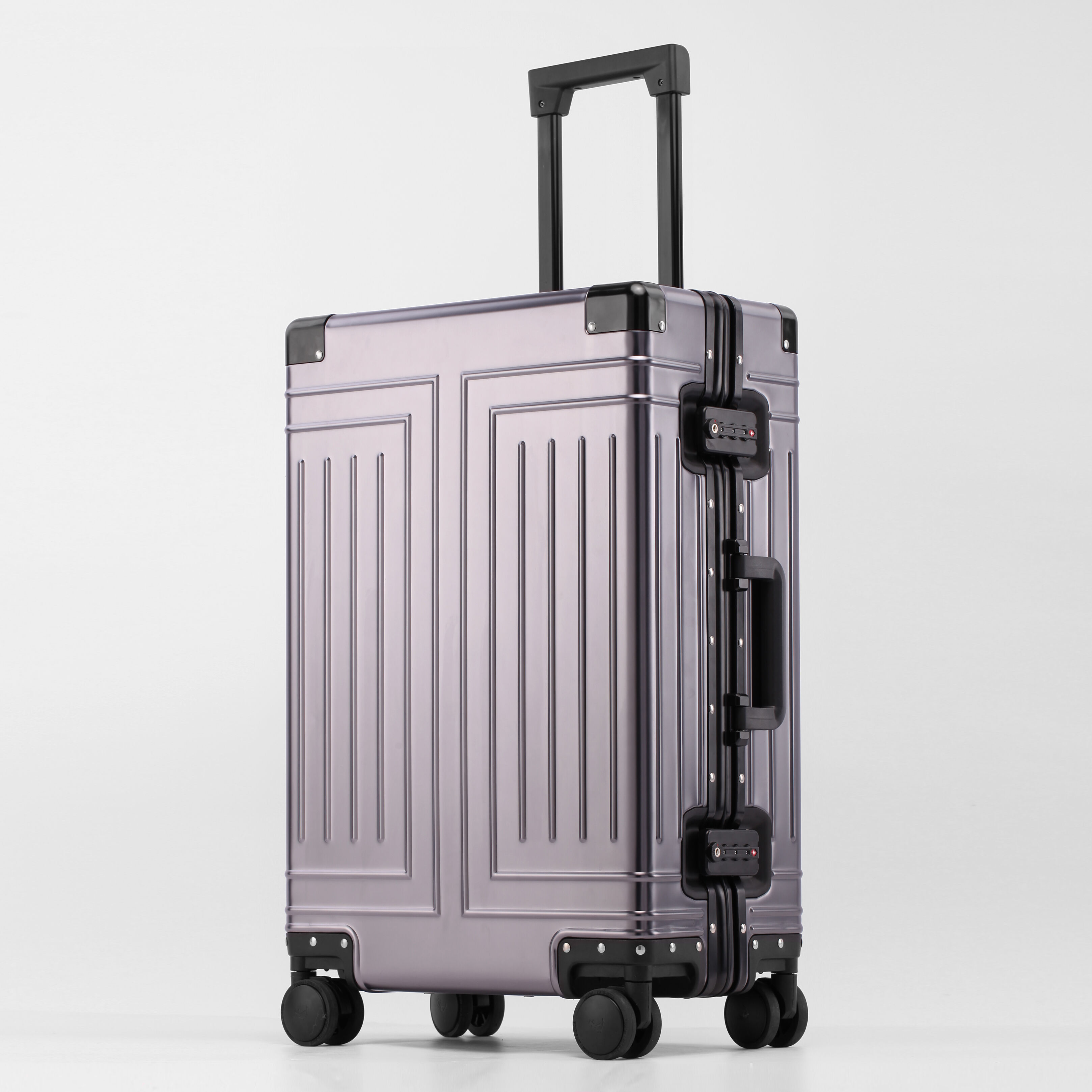
When investing in custom luggage for business travel or personal use, understanding which features deserve your attention and budget can make the difference between a worthwhile investment and a costly mistake. The world of custom luggage offers countless options for personalization, from material selection and hardware choices to interior configurations and branding elements, yet not all customization options provide equal value or functionality.
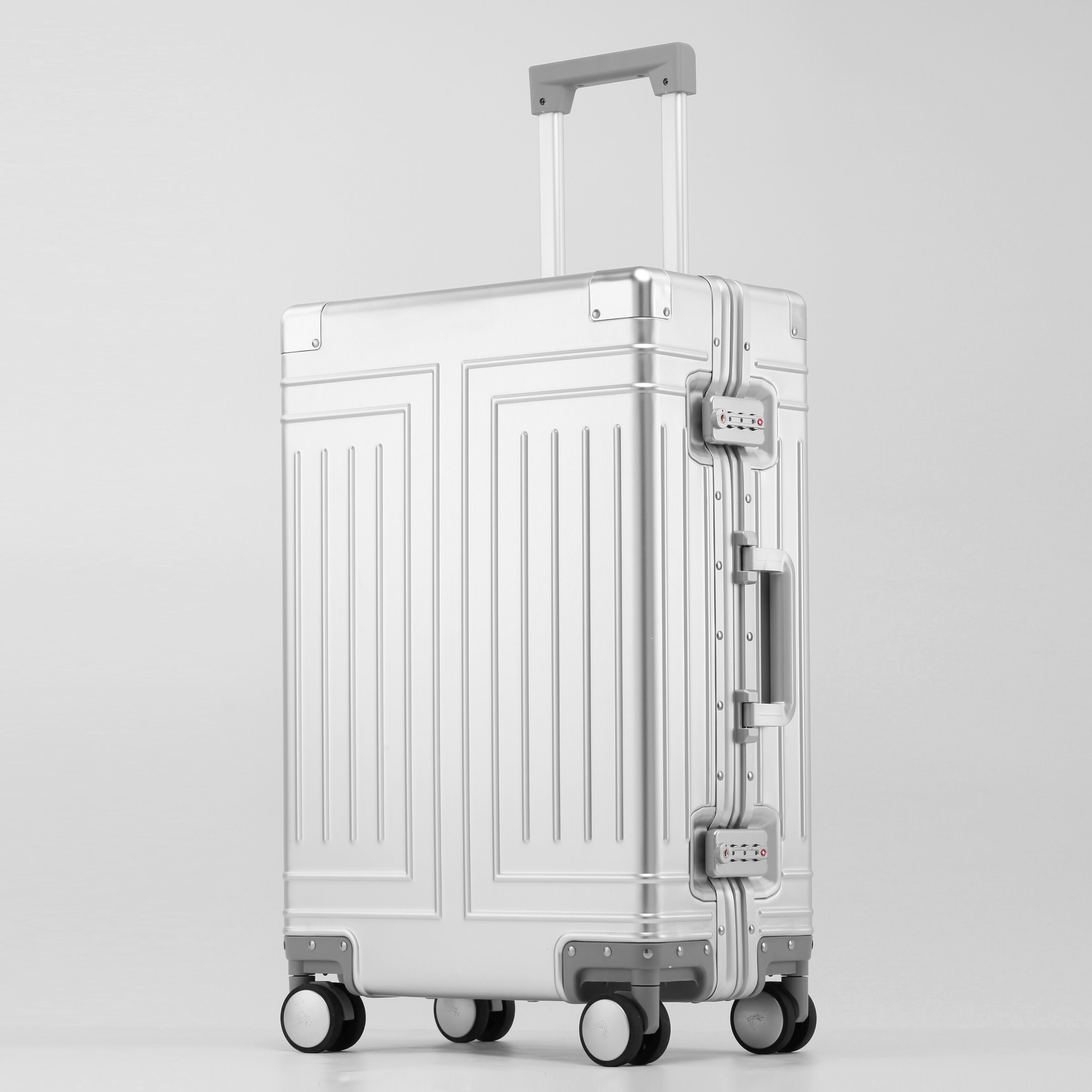
The key to successful custom luggage procurement lies in prioritizing features that align with your specific travel patterns, durability requirements, and functional needs rather than focusing solely on aesthetic customization. Smart buyers recognize that certain core features form the foundation of any reliable travel companion, while other customization options serve as valuable additions that enhance the overall user experience and brand representation.
Structural Foundation and Durability Features
Material Selection for Long-Term Performance
The material choice for your custom luggage represents one of the most critical decisions affecting both durability and weight performance. Aluminum construction offers superior protection for valuable contents and provides excellent resistance to impact damage, making it ideal for frequent business travelers who require maximum security. The inherent strength of aluminum allows custom luggage manufacturers to create thinner walls without sacrificing protection, resulting in lighter overall weight while maintaining structural integrity.
Polycarbonate materials present another excellent option for custom luggage applications, particularly when flexibility and impact absorption are priorities. This thermoplastic polymer can withstand significant stress without cracking and offers natural shock absorption properties that protect delicate contents during handling. Custom luggage made from high-grade polycarbonate typically costs less than aluminum alternatives while still providing professional appearance and reliable performance for most travel scenarios.
Hybrid construction approaches combine different materials strategically throughout the custom luggage design, using aluminum for high-stress areas like corners and edges while incorporating lighter materials for panels and non-critical components. This approach allows manufacturers to optimize the strength-to-weight ratio while keeping costs reasonable for buyers who need professional-grade performance without premium pricing.
Frame and Shell Integration Systems
The frame system within your custom luggage determines how well the case maintains its shape under stress and how effectively it protects contents from external pressure. Internal frame designs distribute impact forces throughout the structure, preventing localized damage that could compromise the entire case. When specifying custom luggage requirements, prioritizing robust frame integration ensures long-term reliability even under demanding travel conditions.
Shell thickness specifications directly impact both protection levels and weight considerations for custom luggage applications. Thicker shells provide better impact resistance but add significant weight, while thinner designs reduce carrying burden but may compromise protection. The optimal shell thickness for your custom luggage depends on travel frequency, handling conditions, and the value of contents you typically transport.
Corner reinforcement systems represent critical stress points where custom luggage experiences the most severe impact forces during handling and transport. Quality corner construction uses multiple layers of material or specialized impact-absorbing compounds to prevent damage propagation from corner impacts throughout the rest of the case structure.
Security and Access Control Systems
Locking Mechanism Technologies
TSA-approved locking systems should be considered essential rather than optional for modern custom luggage applications, particularly for international business travel. These standardized locks allow security personnel to inspect luggage contents without damaging the case or lock mechanism, preventing costly repairs and ensuring your custom luggage remains functional throughout extended travel itineraries. The reliability of TSA lock mechanisms varies significantly between manufacturers, making this specification a critical evaluation point.
Combination lock systems offer convenience advantages over key-based mechanisms by eliminating the risk of lost keys during travel. High-quality combination locks for custom luggage feature smooth operation and clear number alignment, reducing the frustration often associated with difficult-to-operate security systems. Some advanced combination systems include reset capabilities that allow users to change codes as needed for enhanced security.
Electronic locking systems represent the premium tier of custom luggage security options, offering features like smartphone connectivity, access logging, and remote monitoring capabilities. While these systems provide sophisticated security management, they also introduce battery dependency and potential electronic failure points that may complicate travel in remote locations or during extended trips.
Zipper Quality and Configuration
Zipper specifications often receive insufficient attention during custom luggage design discussions, yet these components handle constant stress and determine access reliability throughout the product lifecycle. Heavy-duty zippers designed for luggage applications feature reinforced tape construction and corrosion-resistant teeth that maintain smooth operation even after thousands of open-close cycles. The zipper gauge, measured by teeth size and tape thickness, should match the expected stress levels for your specific custom luggage applications.
Self-repairing zipper systems include backup mechanisms that allow continued operation even if individual teeth become damaged or misaligned. These advanced zipper technologies cost more initially but can prevent complete access failure during critical travel situations where luggage repair services are unavailable.
Waterproof zipper options provide additional protection for custom luggage used in challenging weather conditions or marine environments. These specialized zippers use gasket systems or tape lamination to prevent moisture intrusion while maintaining the flexibility needed for regular operation.
Mobility and Handling Enhancement Features
Wheel Systems and Rolling Performance
Spinner wheel configurations have become standard for modern custom luggage due to their superior maneuverability compared to traditional two-wheel systems. Four-wheel spinner designs allow the luggage to roll upright beside the traveler, reducing arm strain and improving navigation through crowded airports or hotels. The wheel quality directly affects rolling smoothness, noise levels, and long-term reliability, making this specification crucial for frequent travelers.
Silent wheel technologies use advanced bearing systems and specialized materials to minimize rolling noise, an important consideration for business travelers who need to move through hotels or office environments without disturbing others. Quality silent wheels maintain their noise reduction properties throughout extended use, while inferior systems may develop squeaks or rattles that compromise their effectiveness.
Wheel replacement accessibility allows custom luggage owners to maintain rolling performance by replacing worn wheels rather than discarding the entire case. Some custom luggage designs feature tool-free wheel replacement systems that enable quick field repairs, while others require specialized tools or professional service. Consider the availability of replacement parts and service requirements when specifying wheel systems for custom luggage orders.
Handle Design and Ergonomics
Telescoping handle systems require careful engineering to provide smooth extension and retraction while maintaining structural strength under load. Multi-position handle systems allow users to adjust height for optimal ergonomics, accommodating different user heights and rolling techniques. The handle locking mechanism should engage securely at each position while remaining easy to operate with one hand.
Handle grip materials and shapes significantly impact user comfort during extended transport periods. Ergonomic grip designs distribute hand pressure evenly and provide secure hold even when hands are wet or gloved. Some custom luggage specifications include antimicrobial grip treatments that reduce bacterial buildup on frequently touched surfaces.
Side handles and lifting points enable multiple carrying options when rolling is impractical. These auxiliary handles should integrate seamlessly with the case design while providing sufficient strength for lifting fully loaded custom luggage. The positioning and padding of side handles affects lifting comfort and reduces the risk of hand strain during frequent lifting.
Interior Organization and Capacity Optimization
Compartment Design and Flexibility
Interior organization systems determine how effectively you can utilize available space while maintaining organized packing throughout travel. Fixed compartment designs provide structure and prevent items from shifting during transport, while modular systems offer flexibility to adapt the interior layout based on specific trip requirements. Custom luggage buyers should evaluate their typical packing patterns to determine which approach better serves their needs.
Compression systems help maximize packing efficiency by reducing air gaps and securing contents against movement. These systems typically use straps, panels, or zippered dividers to compress packed items and maintain organization. Well-designed compression systems in custom luggage should operate smoothly and provide even pressure distribution to prevent damage to delicate items.
Specialized pockets for electronics, documents, and accessories add significant functional value to custom luggage designs. These dedicated spaces protect valuable items while keeping them easily accessible during security checks or business meetings. The sizing and padding of specialty pockets should match current device dimensions while allowing some flexibility for future equipment changes.
Lining Materials and Protection Systems
Interior lining materials affect both durability and maintenance requirements for custom luggage applications. Waterproof linings prevent liquid spills from damaging other contents or seeping into the case structure, while antimicrobial treatments reduce odor development during extended use. The lining attachment method should prevent separation or bunching that could interfere with packing efficiency.
Scratch-resistant lining materials protect delicate surfaces of packed items from abrasion during transport. Some custom luggage designs incorporate soft-touch panels or padded sections in areas where valuable items typically rest, providing additional protection without adding significant weight or bulk to the overall design.
Removable lining systems allow thorough cleaning and replacement when necessary, extending the functional life of custom luggage beyond what fixed lining designs can provide. These systems should attach securely during normal use while remaining easy to remove for maintenance or replacement.
Customization and Branding Integration
Visual Identity and Professional Appearance
Color selection for custom luggage should balance personal or corporate branding requirements with practical considerations like dirt visibility and heat absorption. Dark colors hide scuffs and stains better but may absorb more heat in sunny conditions, while lighter colors stay cooler but show wear more readily. The color application method, whether through integral material coloring, coating, or film application, affects both appearance longevity and maintenance requirements.
Logo and text application options range from simple decals to sophisticated engraving or embossing techniques. Permanent marking methods like laser engraving provide excellent durability but cannot be easily modified, while removable applications offer flexibility but may not withstand harsh handling. The visibility and positioning of branding elements should enhance professional appearance without compromising functionality or creating security concerns.
Surface finish specifications affect both appearance and practical performance of custom luggage. Textured finishes hide minor scratches and provide better grip during handling, while smooth finishes offer easier cleaning but show wear more readily. The finish durability directly impacts how well the custom luggage maintains its professional appearance throughout extended use.
Functional Customization Options
Size optimization allows custom luggage to match specific capacity requirements while remaining within airline restrictions or storage constraints. Custom sizing can maximize usable space within dimensional limits or create compact designs for specialized applications. The relationship between external dimensions and internal capacity varies significantly based on wall thickness and structural design choices.
Hardware selection affects both functionality and appearance of custom luggage designs. Premium hardware typically provides smoother operation and better corrosion resistance, while standard components may offer adequate performance at lower cost. The hardware finish should complement the overall design aesthetic while providing reliable long-term operation.
Accessory integration options allow custom luggage to accommodate specific equipment or organizational needs. Built-in charging systems, cable management, or specialized mounting points add functionality for business travelers or technical professionals. These custom features should integrate seamlessly with the basic luggage design without compromising structural integrity or security.
FAQ
How do I determine the right size for my custom luggage order?
The optimal size for custom luggage depends on your typical trip duration, packing habits, and airline restrictions. Measure your current luggage capacity utilization and consider whether you consistently pack to full capacity or prefer extra space. For business travel, ensure the dimensions comply with carry-on restrictions for your most frequently used airlines, while allowing sufficient space for essential items and any specialized equipment you regularly transport.
What is the typical lead time for custom luggage manufacturing and delivery?
Custom luggage production typically requires 4-8 weeks from order confirmation to delivery, depending on the complexity of customization and current manufacturing schedules. Simple customizations like color changes or basic logo application may ship faster, while complex modifications requiring tooling changes or specialized materials often extend the timeline. Plan custom luggage orders well in advance of critical travel dates to ensure availability when needed.
Can I modify or upgrade my custom luggage after initial delivery?
Post-delivery modifications depend on the specific customization requested and the original design specifications. Surface treatments, hardware upgrades, and accessory additions are often possible, while structural changes or size modifications typically require complete reconstruction. Discuss potential future modifications with manufacturers during initial ordering to ensure compatibility with upgrade options you might want later.
What warranty coverage should I expect for custom luggage purchases?
Custom luggage warranties typically cover manufacturing defects and material failures for 1-5 years, depending on the manufacturer and price level. Warranty terms may differ for custom components versus standard features, with some customizations potentially voiding portions of standard coverage. Review warranty terms carefully before ordering and understand what constitutes normal wear versus covered defects, as custom luggage often experiences more demanding use conditions than standard products.