
 EN
EN
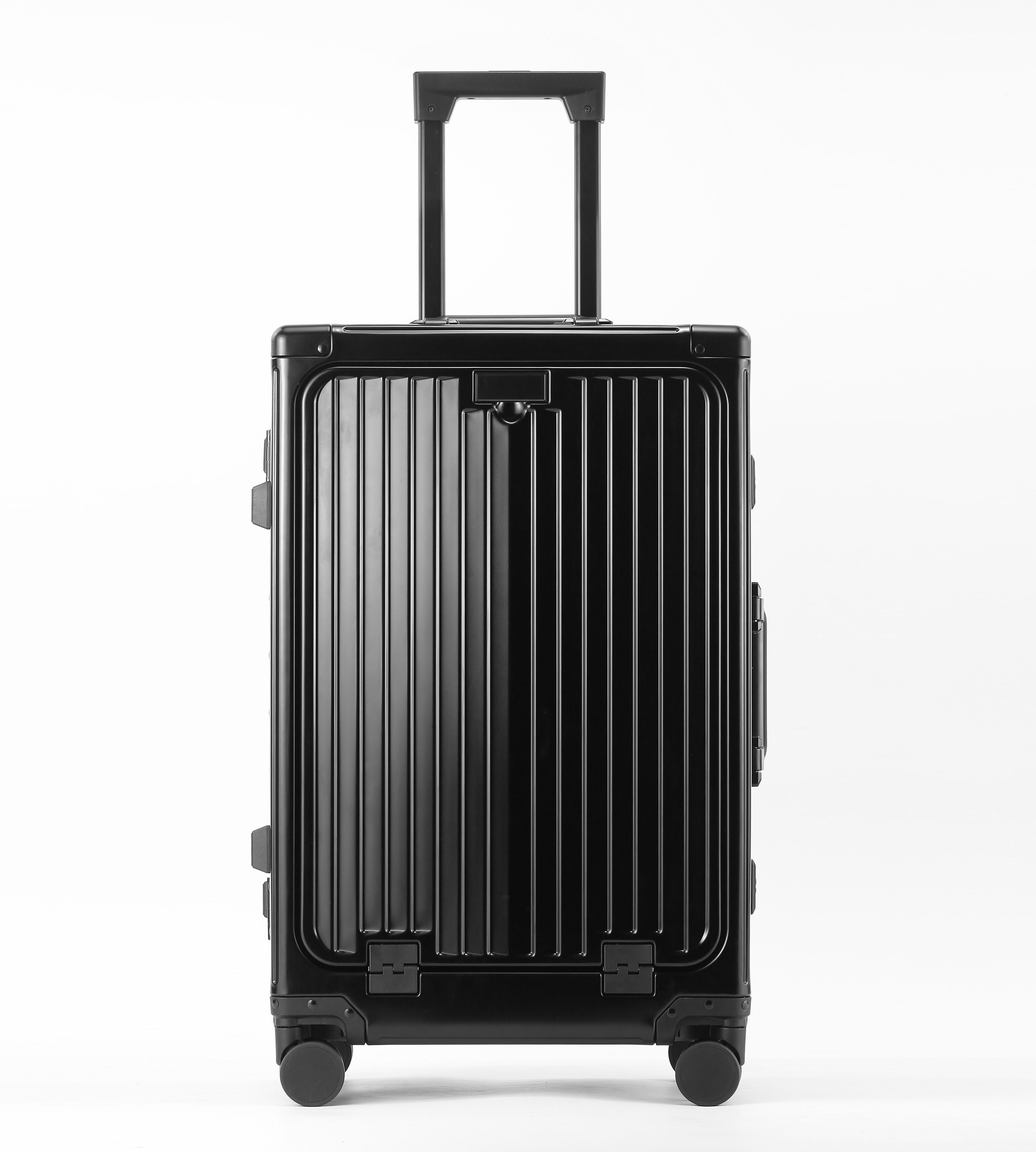
Choosing the right suitcase for frequent travel is far more consequential than most travelers realize. When you are boarding flights multiple times a month, hauling luggage through airports, loading it into overhead bins, and checking it at busy terminals, the material your suitcase is made from becomes the single most decisive factor in how long it lasts and how well it protects your belongings. A suitcase that serves a casual holiday traveler perfectly well may fall apart within months under the stress of constant professional use.
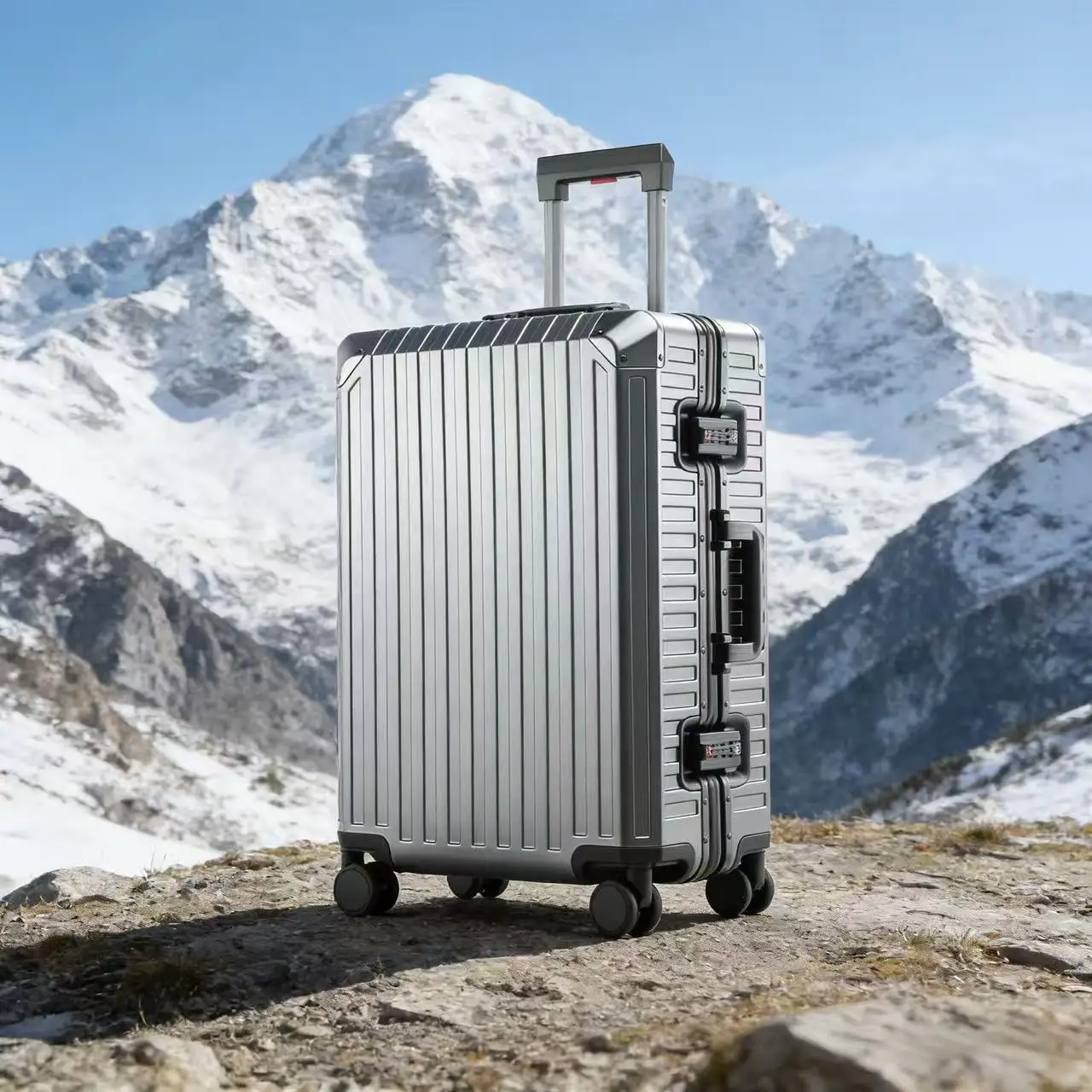
Frequent travelers face a unique set of demands. Their suitcase must endure repeated impact, resist abrasion, handle varying climate conditions, and maintain structural integrity across hundreds of trips. Understanding the core materials used in modern suitcase construction — and knowing exactly which scenarios each one fits — is the foundation of a smart luggage decision. This article examines the most relevant materials available today, explains their real-world performance characteristics, and helps you determine which type of suitcase is genuinely built for the demands of frequent travel.
The Core Materials Used in Modern Suitcase Construction
Hard-Shell Polycarbonate and ABS Plastics
Polycarbonate is one of the most widely used hard-shell materials in the suitcase industry, valued for its combination of flexibility and impact resistance. Unlike rigid materials that crack under sudden force, polycarbonate has a slight flex that allows it to absorb impact and return to its original shape. This characteristic is particularly important for frequent travelers whose luggage is regularly tossed by baggage handlers and stacked under heavy loads in cargo holds.
ABS plastic, or acrylonitrile butadiene styrene, is another common hard-shell option that is typically more affordable than polycarbonate. However, ABS is generally less impact-resistant and heavier, which can be a meaningful disadvantage for frequent flyers managing strict airline weight allowances. A pure ABS suitcase tends to show surface cracking more quickly under repeated stress, making it better suited for occasional rather than heavy travel use.
Blended polycarbonate-ABS shells represent a middle ground, offering improved durability over pure ABS at a reduced cost compared to full polycarbonate. For frequent travelers who want a hard-shell suitcase at a moderate price point, a high-ratio polycarbonate blend provides a reasonable balance of resilience and value.
Aluminum and Metal-Frame Suitcases
Aluminum stands apart from all other suitcase materials in terms of structural rigidity and long-term durability. A fully constructed aluminum suitcase does not flex under pressure — it holds its form absolutely, making it the most protective option for carrying sensitive equipment, fragile items, or high-value contents that cannot risk compression damage. For frequent business travelers who carry laptops, cameras, or important documents, an aluminum suitcase provides a level of protection that no polymer material can match.
The suitcase market has seen a resurgence of interest in aluminum designs, particularly among professionals who prioritize longevity over cost. A well-crafted aluminum shell can endure decades of regular use without warping, cracking, or losing its structural shape. The trade-off is weight — aluminum is denser than polycarbonate — though modern manufacturing techniques have produced increasingly lightweight aluminum alloy constructions that remain competitive with thick polycarbonate shells.
Another critical advantage of aluminum-framed and zipperless suitcase designs is security. Because they rely on combination locks and metal clasps rather than zippers, they are significantly more resistant to tampering. TSA-approved locking systems on aluminum luggage give frequent business travelers peace of mind when checking bags at international airports. Over a career of frequent travel, the investment in an aluminum suitcase typically proves worthwhile both financially and functionally.
Soft-Shell Materials and Their Fit for Frequent Travel
Ballistic Nylon and High-Denier Nylon Fabrics
Soft-shell suitcase designs rely on fabric shells stretched over a flexible frame, and the quality of that fabric determines how long the suitcase will hold up under constant use. Ballistic nylon, originally developed for military applications, is among the toughest textile options available for soft luggage. Its tightly woven structure resists abrasion, puncture, and tearing far better than standard nylon weaves, making it a logical choice for travelers who want the flexibility of a soft suitcase without sacrificing durability.
High-denier nylon — often rated at 1680D or higher — is another premium fabric used in durable soft-shell luggage. The denier rating refers to the thickness of individual fibers; a higher denier value means a denser, more abrasion-resistant weave. Frequent travelers who need expandable packing capacity and lighter overall weight will find that a high-denier nylon suitcase can serve them well across many trips, especially when reinforced stitching is used at stress points like handles and corners.
The primary limitation of fabric-based suitcase shells is that they offer less protection against crushing force compared to hard shells. If a soft-shell suitcase is placed at the bottom of a cargo hold with heavy bags stacked on top, the contents may sustain pressure damage. Frequent travelers carrying delicate electronics or rigid items should weigh this risk carefully when considering soft-shell options.
Polyester and Economy-Grade Fabrics
Standard polyester is the most common fabric used in entry-level soft-shell suitcase designs. While it is lightweight and inexpensive, polyester does not offer the abrasion resistance or tensile strength of ballistic or high-denier nylon. For casual or occasional travelers, a polyester suitcase may provide years of acceptable performance. However, for frequent travel — defined as multiple trips per month — polyester shells tend to show fraying, surface abrasion, and weakening stitching within one to two years of regular use.
Frequent travelers should treat polyester-shell luggage as a cost-effective short-term solution rather than a long-term investment. The economics of replacing a polyester suitcase every year or two often exceed the initial cost of investing in a higher-quality nylon or hard-shell alternative. Understanding total cost of ownership is an important part of the material selection process for anyone who travels professionally.
Structural Features That Interact With Material Choice
Frame Construction and Corner Reinforcement
Material alone does not determine how well a suitcase holds up under frequent use — the internal frame and structural reinforcement play an equally important role. A polycarbonate shell paired with a robust aluminum internal frame will far outlast a polycarbonate shell mounted on a flimsy plastic frame. Frequent travelers should examine not just the outer shell material but also the corner reinforcements, frame joints, and hinge mechanisms that hold the suitcase together across thousands of openings and closings.
Aluminum suitcase designs typically use riveted frame joints rather than adhesive or welded connections, which provides superior resistance to stress fractures over time. This construction method is directly relevant to frequent travelers because joints and corners are the first areas to fail under repeated mechanical stress. A riveted aluminum frame offers a level of structural integrity that injection-molded plastic frames simply cannot replicate.
Zipper Systems Versus Zipperless Closures
The closure system of a suitcase is a critical but often overlooked material-adjacent factor in frequent travel durability. Zipper failures are among the most common reasons frequent travelers need to replace their luggage. Even high-quality YKK zippers begin to show fatigue after several hundred uses, and the zipper teeth on a soft or polycarbonate suitcase can be pried open with a simple pen — a known security vulnerability at busy airports.
Zipperless closure systems, which use aluminum clasps, combination locks, and metal latches, eliminate this failure point entirely. An aluminum suitcase with a zipperless design can be opened and closed thousands of times without any mechanical degradation of the closure system. For frequent business travelers who check bags regularly and need reliable security, the zipperless format is a meaningful upgrade in both durability and tamper resistance.
Matching Material to Travel Frequency and Use Case
Assessing Travel Volume and Bag Handling Risk
The right suitcase material depends heavily on how frequently you travel and how your bag is typically handled. A traveler who flies twice a year and uses carry-on only has very different material requirements than a consultant who checks bags at international airports three times a week. Higher travel frequency increases cumulative exposure to impact, abrasion, moisture, and mechanical stress — all of which degrade softer or thinner shell materials faster.
If your travel pattern involves frequent checked baggage, an aluminum or high-grade polycarbonate suitcase is the most defensible choice. These materials absorb handling abuse without cracking or collapsing, and their internal volume remains stable regardless of external pressure. Soft-shell bags are better suited to carry-on use or light travel schedules where checked-bag handling risk is minimal.
Climate, Destination, and Content Considerations
Environmental conditions also factor into material suitability. Travelers moving between humid tropical environments and dry air-conditioned spaces repeatedly may find that polycarbonate shells are more stable than fabric ones, which can absorb moisture and develop odor or mildew over time. An aluminum suitcase is essentially impervious to humidity and temperature changes, maintaining its integrity in extreme environments where polymer shells may expand, contract, or become brittle.
The nature of what you pack also influences material selection. Professionals carrying high-value electronics, medical samples, or precision instruments need the rigid protective environment that only a hard-shell — and ideally an aluminum — suitcase can provide. Travelers packing primarily clothing and soft goods have more flexibility and may find that a premium nylon soft-shell suitcase serves their needs adequately while offering the benefit of expandable packing capacity.
FAQ
Is aluminum really worth the investment for a frequent traveler?
For frequent travelers who check bags regularly and carry valuable or delicate contents, an aluminum suitcase is one of the most cost-effective long-term investments available. While the upfront cost is higher than polycarbonate or fabric alternatives, the lifespan of a quality aluminum suitcase can span a decade or more of heavy use, making it economically competitive when viewed over time. The added security of zipperless closures and TSA-approved locks also provides practical benefits that softer materials cannot offer.
Can a polycarbonate suitcase handle very frequent international travel?
High-quality polycarbonate is a strong performer for frequent international travel, particularly when the shell is thick and reinforced at stress points. However, polycarbonate shells do eventually show scratching, scuffing, and — in some cases — cracking at corners after years of intensive use. Frequent travelers who prefer a hard-shell suitcase at a lower price point than aluminum will find that polycarbonate performs well if they select a thick-gauge shell from a quality manufacturer and handle it with reasonable care.
Why do zippers fail on suitcases used for frequent travel?
Zipper failure on a heavily used suitcase is largely a mechanical fatigue issue. Every time a zipper is opened or closed, the teeth and slider undergo micro-stress. Over hundreds or thousands of cycles — which frequent travelers accumulate quickly — the slider loses its ability to fully engage the teeth, leading to partial openings or complete failure. Cheap zipper hardware accelerates this process significantly. For frequent travelers, choosing a suitcase with a zipperless metal closure system eliminates this failure mode entirely.
What is the best suitcase material for carry-on use on frequent short trips?
For frequent short-haul trips where the suitcase is used exclusively as carry-on luggage, a high-quality polycarbonate or polycarbonate-blend hard shell offers an excellent balance of protection, weight efficiency, and durability. The reduced exposure to checked-bag handling means the material faces less severe stress, and polycarbonate's scratch resistance and impact flexibility keep it looking and functioning well across many trips. Travelers who want maximum protection and longevity even in carry-on format may still prefer an aluminum suitcase for its unmatched structural integrity.