
 EN
EN
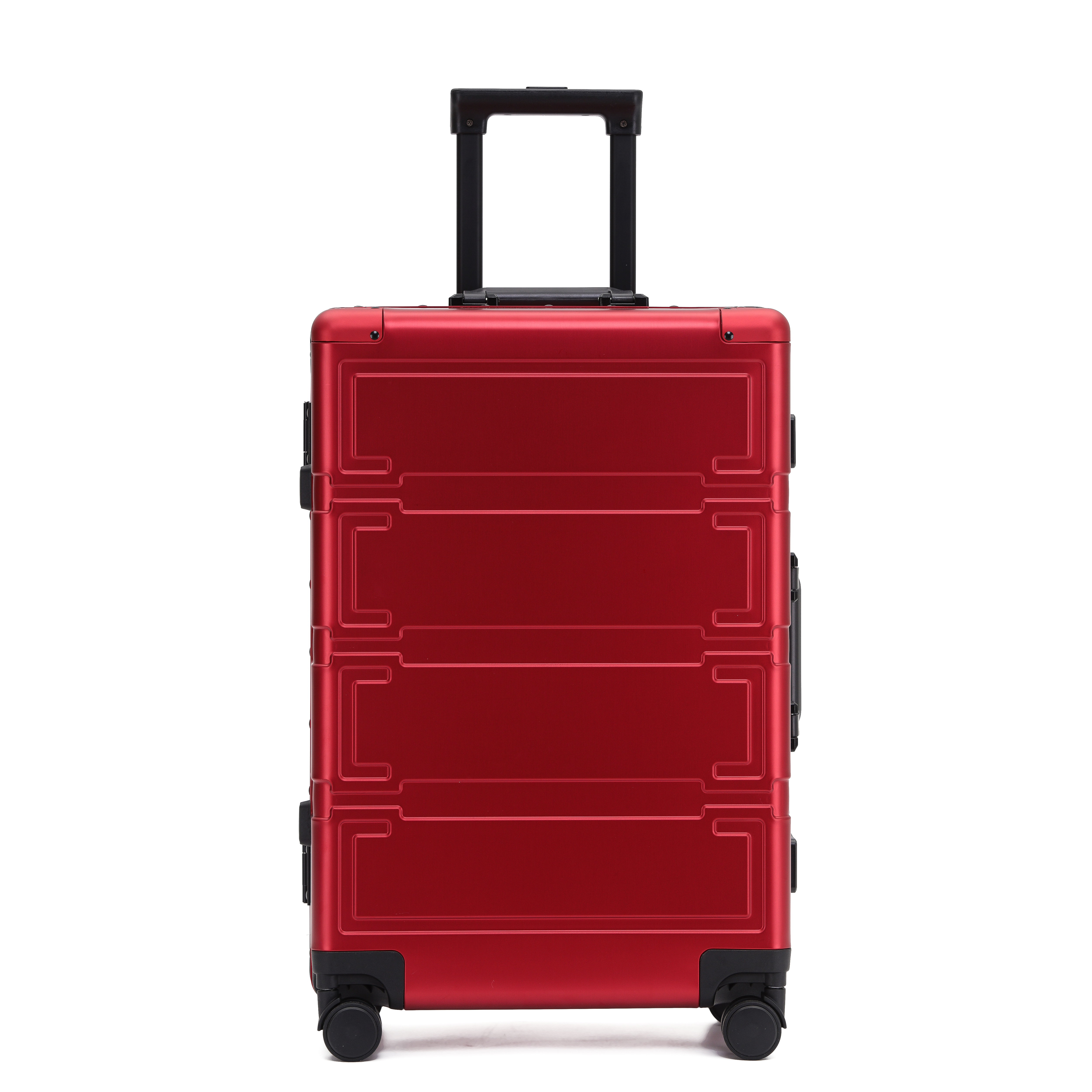
Business travelers demand reliability from their luggage, and the choice of material directly impacts how well a suitcase performs under constant use and travel stress. While various materials compete in the luggage market, luggage aluminum stands out as the superior option for professionals who cannot afford equipment failure during critical business trips. The unique properties of aluminum construction provide unmatched durability that traditional materials simply cannot deliver, making it an essential consideration for serious business travelers.
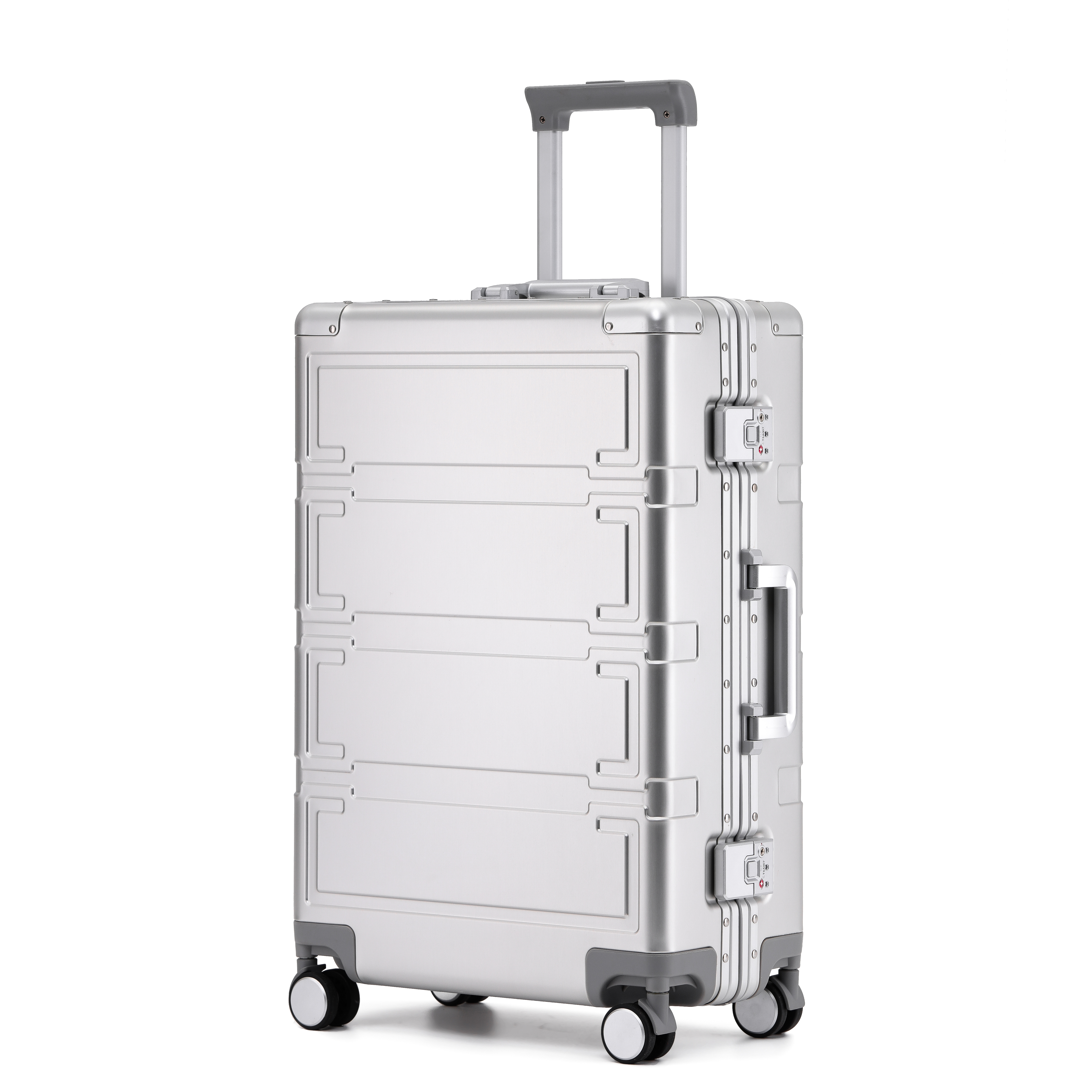
Understanding why luggage aluminum delivers superior durability requires examining the fundamental challenges that business luggage faces and how aluminum's inherent characteristics address these specific demands. From airport baggage handling to frequent opening and closing cycles, business luggage endures significant mechanical stress that can quickly compromise weaker materials. The molecular structure and engineering properties of aluminum create a protective shell that maintains structural integrity under conditions that would damage or destroy conventional luggage materials.
Structural Advantages of Aluminum Construction
Impact Resistance and Deformation Recovery
Luggage aluminum demonstrates exceptional impact resistance due to its crystalline structure and work-hardening characteristics. When subjected to sudden impacts during baggage handling, aluminum undergoes elastic deformation rather than permanent damage, allowing the material to return to its original shape. This property becomes critical during rough airport handling, where suitcases frequently experience drops from conveyor belts, impacts from other luggage, and compression forces in cargo holds.
The work-hardening effect in luggage aluminum actually strengthens the material through repeated stress cycles, making it more resilient over time rather than weaker. This phenomenon explains why aluminum luggage often performs better after extended use, as the material develops increased resistance to deformation. Professional travelers benefit from this characteristic because their luggage becomes more reliable with frequent use rather than showing signs of wear and fatigue.
Unlike plastic or fabric materials that can crack, tear, or permanently deform under stress, luggage aluminum maintains its protective barrier even after significant impact events. This reliability proves essential for business travelers carrying sensitive equipment, documents, or valuable items that require consistent protection throughout their journey.
Fatigue Resistance Under Repeated Stress
Business luggage experiences thousands of opening and closing cycles, wheel rotations, and handle extensions throughout its service life. Luggage aluminum excels in fatigue resistance, maintaining structural integrity even after extensive use cycles that would compromise other materials. The aluminum alloys used in quality luggage construction are specifically engineered to withstand repetitive stress without developing crack propagation or joint failure.
The fatigue characteristics of luggage aluminum become particularly important at stress concentration points such as hinges, corners, and handle attachment areas. These critical zones experience the highest mechanical loads during normal use, and aluminum's superior fatigue resistance prevents the gradual weakening that leads to catastrophic failure in other materials.
Professional users who travel frequently find that luggage aluminum maintains consistent performance characteristics throughout years of regular use, avoiding the progressive degradation common in alternative materials. This long-term reliability translates to lower total cost of ownership and reduced risk of equipment failure during critical business travel.
Environmental Durability Factors
Corrosion Resistance and Weather Protection
Business travel exposes luggage to diverse environmental conditions, from humid tropical climates to salt-laden coastal air and extreme temperature variations. Luggage aluminum provides superior corrosion resistance through its natural oxide layer formation, which creates a protective barrier against environmental degradation. This aluminum oxide coating continuously regenerates when damaged, maintaining long-term protection against rust and corrosion that would compromise steel or iron-based materials.
The corrosion resistance of luggage aluminum proves particularly valuable for international business travelers who encounter varying climatic conditions within single trips. Unlike materials that require special coatings or treatments for environmental protection, aluminum provides inherent resistance that does not degrade over time or require maintenance.
Temperature extremes encountered in cargo holds and different destinations do not compromise the structural integrity of luggage aluminum. The material maintains its mechanical properties across wide temperature ranges, ensuring consistent protection for luggage contents regardless of environmental conditions encountered during travel.
Chemical Resistance and Contamination Protection
Airport environments and travel conditions expose luggage to various chemicals, cleaning agents, and potentially contaminating substances. Luggage aluminum demonstrates excellent chemical resistance, preventing degradation from exposure to cleaning solvents, de-icing compounds, fuel vapors, and other chemicals commonly encountered in transportation environments.
The non-porous surface of luggage aluminum prevents absorption of odors, stains, or contaminants that can permanently affect other materials. This characteristic proves essential for business travelers who must maintain professional appearance and cannot afford luggage that retains unwanted odors or discoloration from environmental exposure.
Chemical resistance also extends to biological contamination, as the smooth aluminum surface can be effectively sanitized without damage to the material structure. This capability has gained increased importance as hygiene considerations become more critical in business travel protocols.
Mechanical Performance Under Business Use Conditions
Load Distribution and Structural Integrity
Business luggage must accommodate varying load configurations while maintaining structural integrity and protecting contents. Luggage aluminum excels at load distribution due to its uniform strength characteristics and ability to transfer stress across the entire shell structure. This property prevents localized stress concentrations that could lead to material failure at specific points.
The rigid shell construction of luggage aluminum provides superior protection for fragile items compared to flexible materials that can transmit impact forces directly to contents. Business travelers carrying laptops, tablets, presentation equipment, and important documents benefit from the consistent protective barrier that aluminum construction provides.
Weight distribution capabilities of luggage aluminum allow for efficient packing of irregularly shaped items without compromising structural integrity. The material's strength-to-weight ratio enables construction of protective shells that remain lightweight while providing maximum durability, addressing the competing demands of airline weight restrictions and protection requirements.
Joint and Connection Durability
The connection points and joints in luggage aluminum benefit from advanced welding and joining techniques that create bonds as strong as the base material. Unlike mechanical fasteners or adhesive joints that can fail over time, properly welded aluminum joints maintain their strength throughout the luggage's service life.
Aluminum's compatibility with precision manufacturing techniques allows for tight tolerances and consistent quality in joint construction. This precision translates to better sealing performance, smoother operation of moving parts, and reduced wear at critical stress points throughout the luggage structure.
The thermal expansion characteristics of luggage aluminum ensure that joints and connections remain stable across temperature variations encountered during travel. This stability prevents the loosening or binding that can occur with mixed materials or thermal expansion mismatches in alternative construction approaches.
Long-Term Performance and Maintenance Advantages
Wear Characteristics and Surface Durability
Luggage aluminum develops improved wear characteristics through natural work-hardening processes that occur during normal use. The surface hardness increases with handling, creating improved scratch and abrasion resistance over time. This progressive strengthening contrasts sharply with materials that show progressive wear and degradation with use.
Surface scratches in luggage aluminum often self-heal through the natural oxide layer formation process, maintaining both appearance and corrosion protection even after cosmetic damage occurs. This self-repairing characteristic extends the practical service life and maintains professional appearance longer than materials that show permanent damage from minor impacts.
The consistent surface properties of luggage aluminum enable effective cleaning and maintenance without special procedures or materials. Standard cleaning agents and techniques restore original appearance without risk of material damage or degradation, supporting the professional image requirements of business travel.
Reliability and Failure Prevention
Business travelers cannot afford luggage failure during critical trips, making reliability the paramount durability consideration. Luggage aluminum provides predictable performance characteristics that allow users to depend on consistent protection and functionality throughout extended service periods.
The failure modes of luggage aluminum are typically gradual and visible, allowing users to identify potential issues before catastrophic failure occurs. This predictability contrasts with sudden failure modes common in other materials, providing business travelers with confidence in their equipment reliability.
Repair capabilities for luggage aluminum exceed those of alternative materials, with standard metalworking techniques capable of restoring functionality even after significant damage. This repairability extends useful service life and provides options for maintaining equipment functionality in situations where replacement is not immediately available.
Business-Specific Durability Requirements
Professional Appearance Maintenance
Business travel demands equipment that maintains professional appearance throughout extended use periods. Luggage aluminum provides superior appearance retention due to its resistance to staining, fading, and permanent deformation that can compromise professional image. The material's inherent properties prevent the shabby appearance that develops in other materials after moderate use.
The clean, modern aesthetic of luggage aluminum aligns with professional business environments and conveys attention to quality and detail that reflects positively on the user. This appearance factor becomes particularly important for client-facing travel where luggage contributes to overall professional presentation.
Maintenance of professional appearance requires minimal effort with luggage aluminum, as standard cleaning procedures restore original finish without special products or techniques. This low-maintenance characteristic proves valuable for busy business travelers who need reliable equipment without complex care requirements.
Security and Tamper Resistance
Business luggage often contains sensitive documents, valuable equipment, and confidential materials that require enhanced security protection. Luggage aluminum provides superior tamper resistance through its rigid construction and difficulty of penetration without specialized tools or obvious damage evidence.
The structural integrity of luggage aluminum prevents unauthorized access attempts that might succeed with softer materials, providing an additional security layer beyond standard locking mechanisms. This physical security becomes essential for business travelers carrying proprietary information or valuable business equipment.
Integration of security features with luggage aluminum construction allows for robust locking mechanisms and anti-theft devices that maintain effectiveness throughout the luggage's service life. The material's strength supports advanced security hardware without compromising structural integrity or creating weak points that could be exploited.
FAQ
Does luggage aluminum add significant weight compared to other materials?
Modern luggage aluminum actually offers an excellent strength-to-weight ratio, with advanced alloys providing durability comparable to heavier materials while remaining within airline weight restrictions. The solid construction eliminates the need for internal reinforcement frameworks required by weaker materials, often resulting in overall weight advantages despite the material density.
Can luggage aluminum be damaged by airport security screening equipment?
Luggage aluminum is completely compatible with all airport security screening technologies, including X-ray machines and CT scanners. The material does not interfere with security equipment operation and provides clear imaging of contents, often facilitating faster security processing compared to materials that create imaging difficulties or require additional inspection procedures.
How does luggage aluminum perform in extreme temperature conditions?
Luggage aluminum maintains consistent mechanical properties across the full range of temperatures encountered in commercial travel, from sub-zero cargo hold conditions to extreme heat in tropical destinations. The material does not become brittle in cold conditions or lose strength in high temperatures, ensuring reliable protection regardless of environmental conditions during transport or storage.
Is luggage aluminum more expensive than other durable options?
While the initial investment in luggage aluminum may be higher than basic alternatives, the total cost of ownership typically favors aluminum due to extended service life, minimal maintenance requirements, and reduced replacement frequency. The durability advantages translate to better long-term value for business travelers who depend on reliable equipment and cannot afford failure-related costs and inconvenience.