
 EN
EN
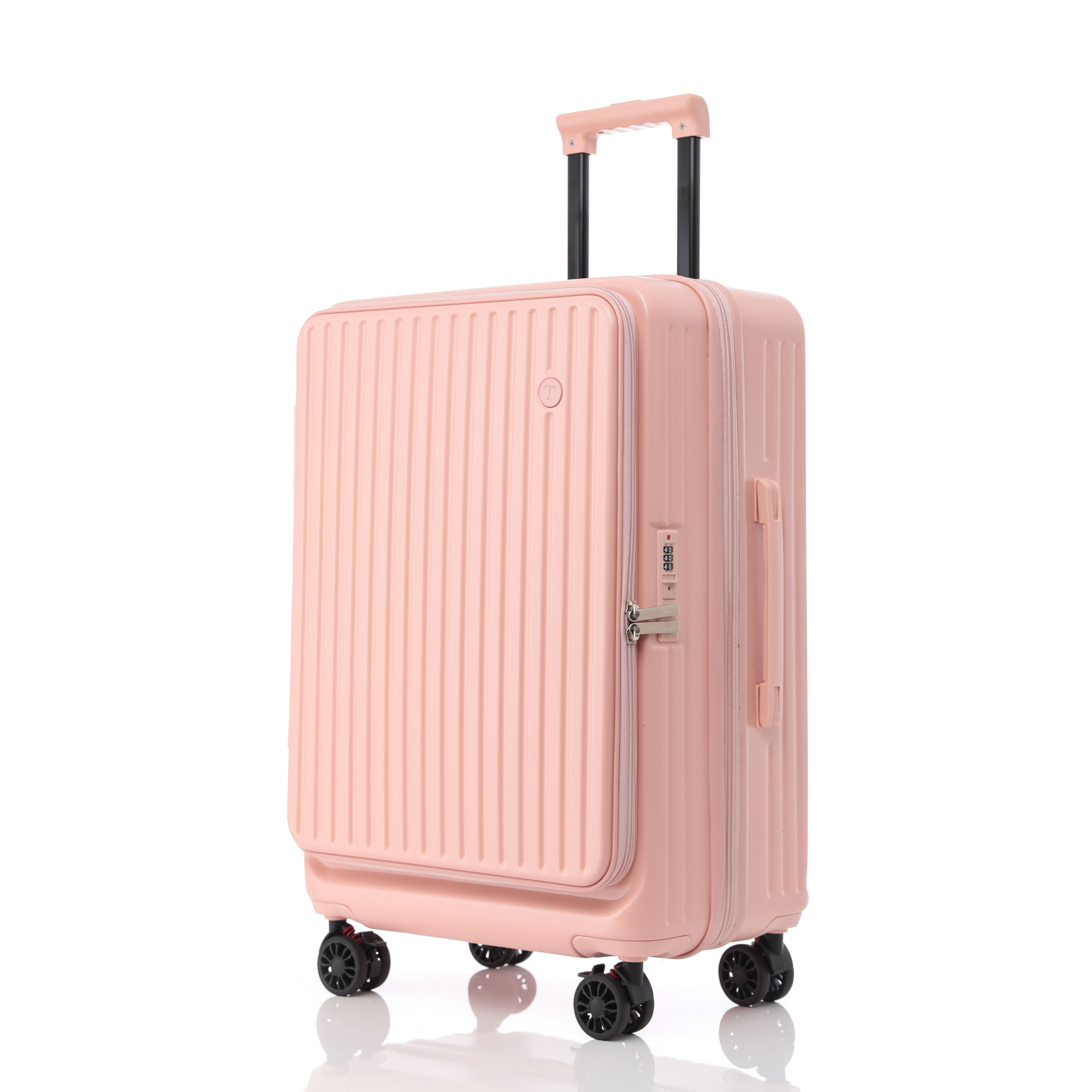
Sélectionner le bon sacoche de voyage pour des applications industrielles est bien plus complexe que de sélectionner une valise standard bagages pour un week-end. Lorsque des ingénieurs sur site, des représentants techniques commerciaux ou des spécialistes d’équipements doivent transporter des instruments sensibles, des outils de précision ou des échantillons de produits entre les chantiers et les visites clients, les exigences imposées à une sacoche de voyage sont radicalement différentes de celles liées aux déplacements des particuliers. La robustesse, la sécurité et la présentation professionnelle deviennent des facteurs essentiels qui influencent directement à la fois l’intégrité de la cargaison et la crédibilité de la personne qui la transporte.
Les professionnels du secteur industriel évoluent dans des environnements où une sacoche de voyage doit résister à des manipulations brutales, à des variations de température, aux contrôles de sécurité aéroportuaires et à une utilisation fréquente, sans compromettre le contenu qu’elle protège. Comprendre les critères fondamentaux de sélection avant d’investir dans une sacoche de voyage permet d’éviter des dommages coûteux, des retards de projet et des impressions peu professionnelles lors de réunions clients cruciales ou d’inspections sur site. Ce guide examine chacune des considérations essentielles afin que vous puissiez effectuer un choix éclairé, adapté à votre application spécifique.
Comprendre les exigences liées à l’utilisation industrielle d’une mallette de transport
La différence entre les exigences des particuliers et celles du secteur industriel
Destinée aux particuliers sacoche de voyage est conçue principalement pour transporter des vêtements, des effets personnels et des équipements électroniques légers. En revanche, une mallette industrielle sacoche de voyage doit pouvoir accueillir des contenus nettement plus lourds, plus fragiles ou de forme plus irrégulière. Pensez aux instruments de mesure étalonnés, aux cartes de circuits, aux composants de vannes ou aux outils manuels spécialisés — tous nécessitant une mallette offrant rigidité structurelle, amortissement des vibrations et protection contre les chocs.
Le matériau de la coque constitue le premier critère de différenciation majeur. Les mallettes en polycarbonate et en ABS offrent un certain niveau de protection, mais peuvent se fissurer ou se déformer sous une contrainte mécanique importante. En revanche, une construction entièrement en aluminium procure une coque rigide qui répartit la force d’impact sur toute la surface, plutôt que de la concentrer en un seul point. Pour les professionnels industriels qui déposent régulièrement leurs bagages ou leurs mallettes dans les soutes à bagages, l’aluminium est généralement le matériau privilégié, car il conserve sa forme sous des charges compressives et latérales.
Le rapport poids-résistance est également un facteur déterminant. Bien que les caisses en aluminium soient plus lourdes que leurs équivalents en plastique, la protection qu’elles offrent aux contenus délicats ou coûteux justifie généralement ce surcroît de poids. Lorsque le contenu d’une sacoche de voyage vaut des milliers de dollars en équipement ou représente des composants essentiels nécessaires pour une intervention sur site, le surpoids supplémentaire constitue un compromis négligeable.
Environnements opérationnels et leur incidence sur le choix des caisses
Application industrielle expose une sacoche de voyage à une gamme d’environnements bien plus étendue que celle rencontrée lors de déplacements professionnels classiques. Un ingénieur commercial peut transporter une caisse depuis un bureau climatisé jusqu’à un atelier industriel au cours de la même journée. Les variations de température, l’humidité, la poussière et les vibrations constituent autant de menaces réelles que la sacoche de voyage doit être capable de supporter sans affecter les éléments stockés.
Les étuis dotés de joints étanches à l’air ou résistants à la poussière sont particulièrement précieux pour les professionnels travaillant dans des environnements industriels en intérieur (ex. : usines) ou en extérieur. Même si l’étui lui-même n’est pas directement exposé à l’eau, la condensation provoquée par les déplacements entre des environnements présentant des niveaux d’humidité très différents peut constituer un problème sérieux pour les instruments sensibles. Un étui bien étanche sacoche de voyage protège contre ces facteurs environnementaux subtils mais néfastes.
Les vibrations lors du transport — qu’il s’agisse de transport routier, ferroviaire ou aérien — constituent une autre menace sous-estimée pour les composants industriels. Les étuis équipés d’inserts en mousse intérieure ou de compartiments personnalisables offrent un amortissement des vibrations qui empêche les composants de se déplacer et de heurter les uns contre les autres pendant le transport. Choisir un sacoche de voyage doté d’une configuration intérieure bien conçue est tout aussi important que de sélectionner la bonne coque extérieure.
Principales caractéristiques structurelles à évaluer lors du choix d’un étui de transport
Matériau et qualité de construction de la coque
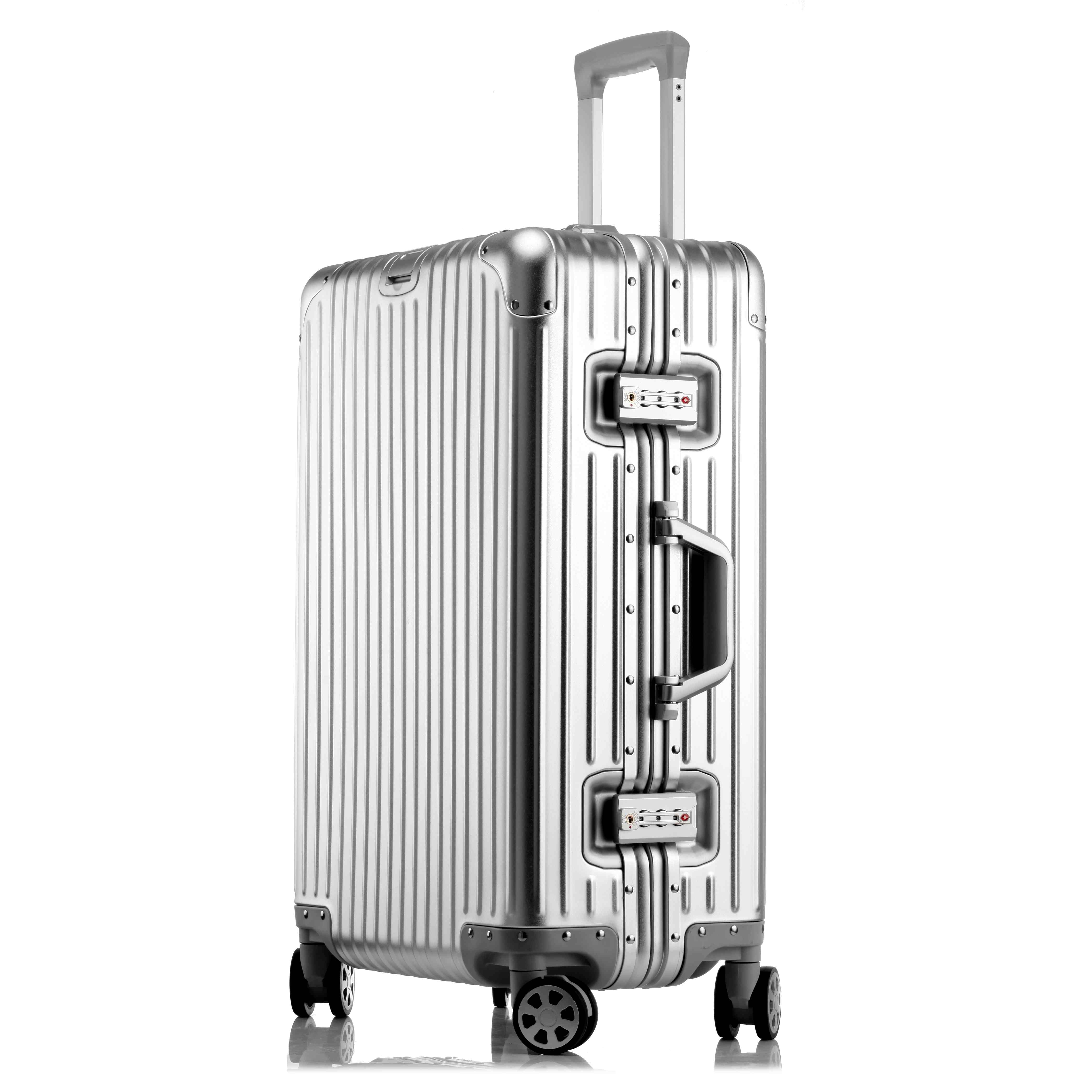
La coque externe d’un sacoche de voyage constitue la première ligne de défense. Pour les applications industrielles, la construction entièrement en aluminium est largement considérée comme la référence absolue. Des profilés en aluminium équipés de supports d’angle renforcés forment une mallette qui conserve son intégrité dimensionnelle, même lorsqu’elle est empilée sous d’autres bagages ou soumise à des manipulations brutales des bagages. La rigidité de l’aluminium sacoche de voyage la rend également plus résistante aux tentatives d’effraction, ce qui revêt une importance particulière lors du transport d’équipements de calibration coûteux ou d’échantillons de produits protégés par des droits de propriété intellectuelle.
Examinez la manière dont les panneaux de la coque sont assemblés. Les mallettes industrielles bien conçues sacoche de voyage produits utilisent des cadres en aluminium obtenus par extrusion, associés à des éléments de fixation à tolérances serrées, plutôt que des panneaux assemblés à l’aide d’adhésifs. La qualité du mécanisme de charnière et le jeu minimal au niveau de la jointure de fermeture constituent des indicateurs fiables de la qualité globale de fabrication. Une mallette qui vibre ou fléchit lorsqu’elle est fermée est peu susceptible d’offrir une protection constante au cours d’une utilisation industrielle répétée.
La finition de surface joue également un rôle. Les finitions en aluminium brossé résistent mieux aux empreintes digitales et aux légères abrasions que les surfaces polies, qui peuvent rapidement montrer des signes d’usure dans des environnements professionnels exigeants. Un aluminium correctement fini sacoche de voyage conserve une apparence professionnelle même après une utilisation prolongée, ce qui revêt une importance particulière lorsque la mallette vous accompagne sur les sites clients et lors de démonstrations techniques.
Mécanismes de verrouillage et normes de sécurité
Pour les professionnels voyageant en avion, un verrou homologué TSA n’est pas une option — c’est une nécessité pratique. Les serrures compatibles TSA permettent au personnel de sécurité d’inspecter la mallette sans endommager le verrou ni forcer l’ouverture. Une mallette sacoche de voyage dépourvue de cette fonctionnalité risque de voir son verrou sectionné ou brisé lors des contrôles de sécurité routiniers, compromettant ainsi à la fois la sécurité et l’intégrité structurelle de la mallette.
Au-delà de la conformité TSA, évaluez le type et le nombre de points de verrouillage. Les modèles industriels haut de gamme sacoche de voyage les modèles sont équipés de systèmes de verrouillage multipoints qui sécurisent le couvercle à plusieurs endroits simultanément, plutôt que de compter sur un seul loquet central. Cette répartition de la force de verrouillage empêche l’ouverture forcée du couvercle et réduit la concentration de contraintes sur un point de verrouillage unique pendant le transport.
Les cadenas combinés intégrés au corps de la mallette offrent une apparence plus épurée et une sécurité accrue solution par rapport aux cadenas à boucle ajoutés ultérieurement. Si la mallette est destinée au transport d’éléments présentant une valeur propriétaire, assurez-vous que le mécanisme de verrouillage offre une résistance réelle, et non pas simplement une dissuasion. Une sacoche de voyage mallette choisie pour une utilisation industrielle doit être considérée comme un actif de sécurité, et non seulement comme un contenant de transport.
Configuration intérieure et personnalisation pour les contenus industriels
Mousse d’insertion et compartimentation personnalisée
L’intérieur d’une mallette industrielle sacoche de voyage nécessite souvent autant de réflexion technique que la conception de l’extérieur. Des inserts en mousse, des cavités découpées sur mesure et des systèmes de séparateurs permettent au caisson de maintenir solidement les équipements de formes et de dimensions spécifiques, sans aucun mouvement pendant le transport. Des couches de mousse pré-découpées, pouvant être arrachées ou sculptées pour s’adapter précisément à des instruments donnés, constituent une solution courante pour les équipements de laboratoire ou d’étalonnage.
Lorsque vous évaluez une sacoche de voyage pour les applications industrielles, évaluez si l’intérieur du caisson peut être reconfiguré à mesure que vos besoins en équipement évoluent. Les systèmes modulaires de séparateurs offrent davantage de souplesse que les compartiments fixes et prolongent la durée d’utilisation utile du caisson à mesure que votre inventaire d’éléments transportés change. Un caisson capable de s’adapter à différentes configurations offre une valeur ajoutée nettement supérieure à long terme par rapport à un modèle rigide conçu exclusivement pour un type de charge unique.
La qualité de la mousse est un autre critère facile à négliger. Une mousse de faible densité se comprime avec le temps, ce qui réduit son efficacité protectrice. Une mousse fermée haute densité conserve sa forme et ses propriétés d’amortissement sur de nombreux cycles d’utilisation, garantissant une protection constante même si le même sacoche de voyage est utilisé une fois par semaine pendant plusieurs années.
Fonctionnalités d’organisation pour une utilisation professionnelle
Les professionnels du secteur industriel transportent souvent non seulement du matériel, mais aussi des documents, des câbles, des adaptateurs et de petits accessoires. Une sacoche de voyage qui offre un rangement organisé pour ces éléments complémentaires permet de gagner du temps lors des recherches et réduit le risque d’oublier des accessoires essentiels. Privilégiez les étuis dotés de poches intégrées pour documents, de pochettes pour accessoires ou d’emplacements dédiés à la gestion des câbles, en complément du compartiment principal destiné au matériel.
La possibilité d’accéder rapidement à un article spécifique sans avoir à vider entièrement l’étui constitue un gain de temps appréciable sur le terrain. Un étui bien organisé sacoche de voyage permet à un technicien ou à un ingénieur commercial de récupérer exactement ce dont il a besoin sans perturber le reste du contenu de la mallette, ce qui réduit également le risque de dommages accidentels aux autres éléments lors d’un accès précipité.
Envisagez également la façon dont la mallette s’ouvre. Les mallettes à ouverture supérieure qui s’étalent à plat lorsqu’elles sont ouvertes sur une surface permettent un accès plus facile et plus sûr à l’ensemble de leur contenu simultanément, ce qui est idéal pour les démonstrations d’équipements ou les évaluations techniques sur site. Une sacoche de voyage conçue en tenant compte du flux de travail professionnel accélère le temps de déploiement et favorise un processus de travail plus organisé.
Mobilité, ergonomie et conformité pour les déplacements fréquents
Systèmes de roulettes et conception de la poignée
Les voyageurs industriels fréquents traversent souvent, au cours d’une même journée, des aéroports, des centres de transport, des surfaces industrielles et des terrains extérieurs irréguliers. Une sacoche de voyage équipé de roulettes de haute qualité — celles qui pivotent à 360 degrés — offre une maniabilité nettement supérieure à celle des systèmes de valises à deux roues traditionnels, notamment dans les espaces restreints tels que les allées d’avion ou les salles d’équipement encombrées.
La qualité des roues est déterminante dans les contextes industriels, car les caisses sont souvent plus lourdes que les bagages grand public classiques en raison de leur contenu. Des diamètres de roue plus grands et des logements de roue renforcés supportent mieux ce poids supplémentaire, réduisant ainsi le risque de défaillance des roues au moment critique. Lors de l’évaluation d’une sacoche de voyage destinée à un usage industriel, testez le système de roues sous la charge attendue afin de garantir un roulement fluide et stable.
Les poignées télescopiques doivent s’étendre à une hauteur de travail confortable et se verrouiller solidement à chaque position. Des poignées qui vacillent ou se replient sous la pression ajoutent une fatigue inutile pendant le transport. Privilégiez des poignées à plusieurs étages dotées de mécanismes de verrouillage positif, car celles-ci témoignent d’un niveau plus élevé de précision manufacturière et résisteront mieux à la fréquence d’utilisation typique des applications industrielles sur le terrain.
Conformité aux bagages cabine des compagnies aériennes et considérations relatives au poids
Pour les professionnels qui voyagent fréquemment en avion, la conformité aux bagages cabine constitue un critère déterminant dans le choix d’un sacoche de voyage . Enregistrer systématiquement une mallette engendre des coûts supplémentaires et des risques accrus, notamment lorsque son contenu est fragile ou irréemplaçable. Connaître à l’avance les restrictions de dimensions applicables aux bagages cabine des compagnies aériennes que vous utilisez le plus fréquemment avant de choisir une sacoche de voyage vous permettra d’éviter des conflits répétés à l’embarcation.
Les valises en aluminium sont intrinsèquement plus lourdes que leurs équivalents en polymère pour des dimensions identiques. Lorsque les limites de poids pour les bagages à main sont strictes, cela devient une contrainte réelle. Certains fabricants y remédient en utilisant une construction en alliage d’aluminium léger qui réduit le poids à vide de la sacoche de voyage sans compromettre ses performances structurelles. Vérifier le poids à vide de la valise est essentiel lors de la planification de son utilisation en tant que bagage à main, notamment lorsqu’elle est chargée intégralement d’équipements industriels.
Une conception minimaliste de la valise, qui supprime les éléments superflus (qu’il s’agisse de quincaillerie ou de décoration), peut contribuer de façon significative au maintien du poids global dans les limites autorisées. Une valise sacoche de voyage alliant une protection fonctionnelle optimale et une sobriété esthétique constitue généralement le meilleur choix pour les applications industrielles, où la gestion du poids fait partie des paramètres opérationnels.
Adapter la valise de transport à votre application industrielle spécifique
Logique de sélection fondée sur l’application
Différentes applications industrielles imposent des exigences variées à une sacoche de voyage un technicien de service sur site transportant des outils de diagnostic a besoin d’une mallette conçue pour sa robustesse, sa résistance aux chocs et son accès rapide. Un représentant technique commercial transportant des échantillons de produits et du matériel de démonstration privilégie une apparence professionnelle, une bonne organisation et une présentation soignée lors des réunions avec les clients. Un ingénieur en assurance qualité transportant des étalons d’étalonnage nécessite une mallette offrant des conditions environnementales contrôlées et aucune mobilité interne pendant le transport.
L’adéquation de votre cas d’usage spécifique avec les caractéristiques d’une mallette donnée sacoche de voyage avant l’achat permet d’éviter l’erreur courante qui consiste à choisir une mallette uniquement en fonction de son prix ou de son apparence. Posez-vous la question suivante : quel est le mode de défaillance le plus critique pour mon application ? Si la réponse est la détérioration physique du contenu, privilégiez la rigidité de la coque et l’amortissement intérieur. Si la réponse est la sécurité, privilégiez la qualité du système de verrouillage. Si la réponse est l’image professionnelle, privilégiez la qualité de la surface extérieure et l’organisation interne.
Il est également utile de réfléchir à la manière dont le sacoche de voyage sera perçu par les personnes que vous rencontrez dans des contextes professionnels. Une mallette en aluminium au design épuré et minimaliste transmet aux clients et interlocuteurs une impression de précision et de professionnalisme, notamment lorsqu’ils se forment une première impression sur la base de la qualité de vos outils professionnels. Dans les secteurs où le souci du détail constitue une valeur fondamentale, la mallette que vous transportez est un élément subtil, mais bien réel, de votre image professionnelle.
Valeur à long terme et coût total de possession
Professionnel industriel qui dépend d’une sacoche de voyage au quotidien doit évaluer le coût total de possession plutôt que le prix initial seul. Une mallette peu coûteuse qui cède au bout d’un an et doit être remplacée revient finalement plus cher qu’une mallette bien conçue, capable de durer dix ans avec un entretien minimal. Lorsque le contenu de la mallette a une valeur nettement supérieure à celle de la mallette elle-même, l’investissement dans une mallette de qualité sacoche de voyage se justifie clairement comme une mesure de protection des actifs.
Les conditions de garantie et la disponibilité des pièces de rechange constituent également des indicateurs pratiques de la confiance d’un fabricant dans son produit, ainsi que de son engagement à le soutenir dans le temps. sacoche de voyage un fabricant qui propose des roues, poignées et serrures de remplacement reconnaît que ces composants s’usent avec le temps et rend ainsi le produit réparable plutôt que jetable.
Enfin, prenez en compte les coûts indirects liés à une défaillance de la mallette. sacoche de voyage si celle-ci tombe en panne lors d’une visite importante chez un client ou d’un appel de service critique, les conséquences vont au-delà du simple coût de remplacement. Des dommages matériels, des retards dans la livraison des services et une réputation professionnelle entachée représentent des coûts réels, rarement inclus dans une analyse comparative des coûts, mais parfaitement prévisibles si l’on choisit une protection inadéquate pour une utilisation industrielle.
Questions fréquentes
Quel matériau convient le mieux pour une mallette de transport destinée à des applications industrielles sur le terrain ?
Une construction entièrement en aluminium constitue généralement le meilleur choix pour une application industrielle sacoche de voyage car il allie rigidité structurelle, résistance aux chocs et longévité. L'aluminium conserve sa forme sous des charges de compression, résiste à la déformation lors d'une manipulation brutale et offre un boîtier sécurisé et professionnel pour des contenus sensibles ou précieux. Bien qu'il soit plus lourd que les alternatives en polycarbonate, les valises en aluminium offrent une protection supérieure pour les types d'équipements généralement transportés dans des applications industrielles.
Un cadenas TSA est-il nécessaire pour une mallette industrielle de voyage ?
Oui, si vous voyagez fréquemment en avion, un cadenas homologué TSA constitue une caractéristique importante pour toute sacoche de voyage utilisée à des fins professionnelles. En l'absence de conformité TSA, la sécurité aéroportuaire pourrait couper ou briser un cadenas standard afin d'effectuer une inspection. Les cadenas homologués TSA permettent un accès autorisé sans dommage, préservant ainsi à la fois le cadenas et l'intégrité structurelle de la mallette, tout en maintenant la sécurité entre les inspections.
Comment choisir la configuration intérieure adaptée à mon équipement ?
La configuration intérieure optimale pour une application industrielle sacoche de voyage dépend entièrement de la forme, du poids et de la fragilité de votre contenu spécifique. Pour les instruments de forme irrégulière, des inserts en mousse haute densité découpés sur mesure offrent l’ajustement le plus précis et la meilleure protection contre les vibrations. Pour les charges mixtes qui changent fréquemment, les systèmes de séparateurs modulaires offrent une plus grande flexibilité. Privilégiez les systèmes intérieurs qui empêchent tout mouvement du contenu pendant le transport, car même de petits chocs répétés peuvent endommager les composants sensibles au fil du temps.
À quel point le système de roulettes est-il important sur une mallette industrielle de transport ?
Le système de roulettes est d’une importance critique lorsqu’une mallette industrielle sacoche de voyage est fréquemment transporté sur différentes surfaces, notamment dans les terminaux aéroportuaires, sur les sols d’usine et en extérieur. Des roulettes de haute qualité, dotées de grands diamètres et de logements renforcés, supportent plus efficacement le poids supplémentaire des contenus industriels que les roulettes grand public. Une roulette défectueuse sur une mallette chargée d’équipements coûteux au moment critique crée de véritables problèmes opérationnels ; ainsi, investir dans une mallette dotée d’un système de roulettes robuste constitue une décision pratique judicieuse.
Table des matières
- Comprendre les exigences liées à l’utilisation industrielle d’une mallette de transport
- Principales caractéristiques structurelles à évaluer lors du choix d’un étui de transport
- Configuration intérieure et personnalisation pour les contenus industriels
- Mobilité, ergonomie et conformité pour les déplacements fréquents
- Adapter la valise de transport à votre application industrielle spécifique
-
Questions fréquentes
- Quel matériau convient le mieux pour une mallette de transport destinée à des applications industrielles sur le terrain ?
- Un cadenas TSA est-il nécessaire pour une mallette industrielle de voyage ?
- Comment choisir la configuration intérieure adaptée à mon équipement ?
- À quel point le système de roulettes est-il important sur une mallette industrielle de transport ?