
 EN
EN
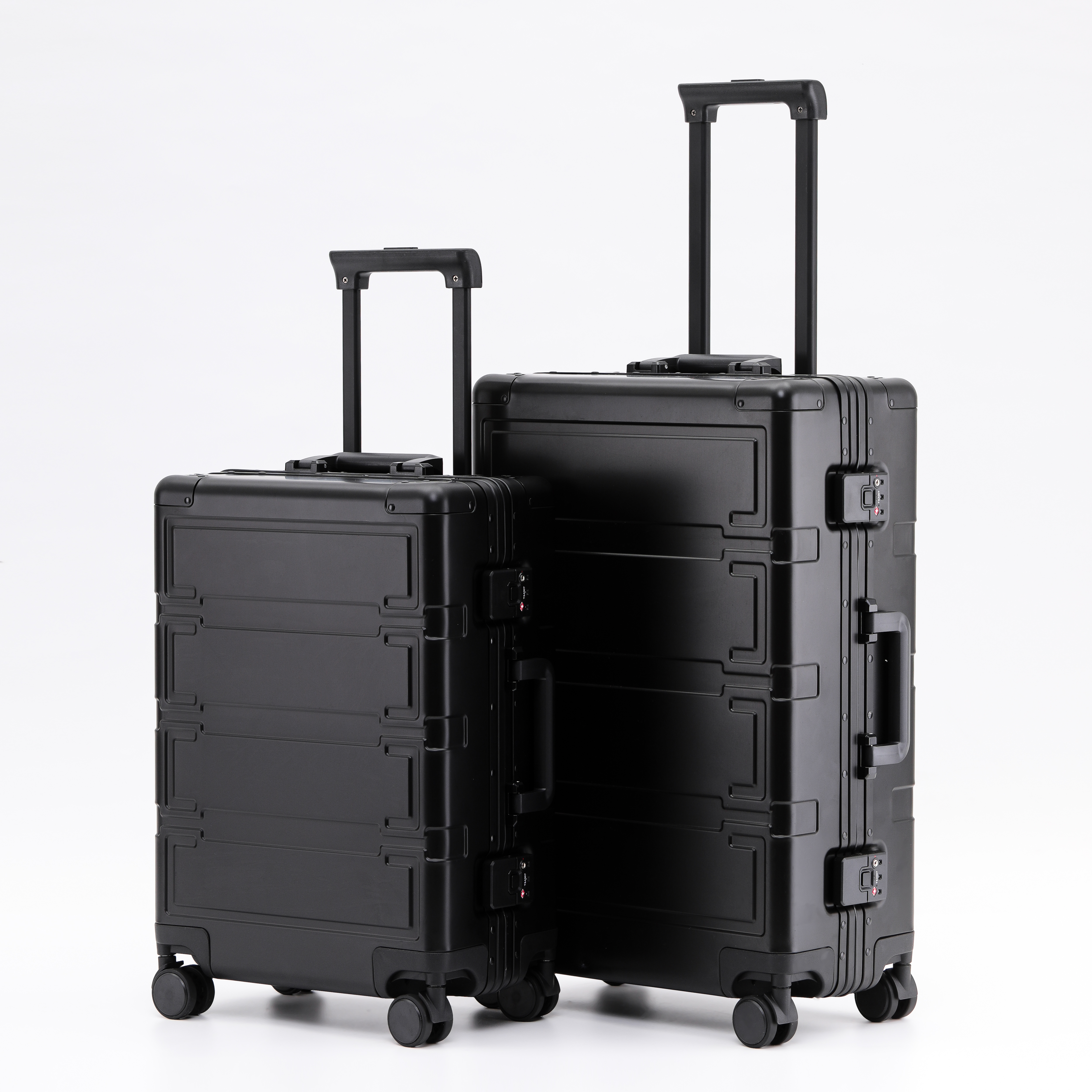
Roghnaigh an ceart bagáiste alumainim le haghaidh úsáide fadtéarmach ag turasóireacht is iad a thagann go díreach ar do shuíomh, ar do chonaithe, agus ar an gcosaint a fhágtar ar do mhaoiní ina dhiaidh sin. Tá an-chuid roghanna ar fáil sa mhargadh inniu, agus mar sin bíonn turasóirí—bíodh siad ag turasóireacht gnó go minic nó ag turasóireacht ó am go am—uafásach de na speicficeachtaí teicniúla, na hathraithe deartha, agus na pointí príseanna. Ag tuiscint ar na fachtóirí atá faoi leith a aithníonn an táirge ardfheidhmeach ó an táirge lán-mheánach, ní mór dul thar na haisnéis a sheiceann tú ar an uachtar agus an t-ábhar bunúsach a chinneann an feidhmiú fadtéarmach a bhrath. bagáiste alúmanaim táirge ó táirge lán-mheánach ní mór dul thar na haisnéis a sheiceann tú ar an uachtar agus an t-ábhar bunúsach a chinneann an feidhmiú fadtéarmach a bhrath.
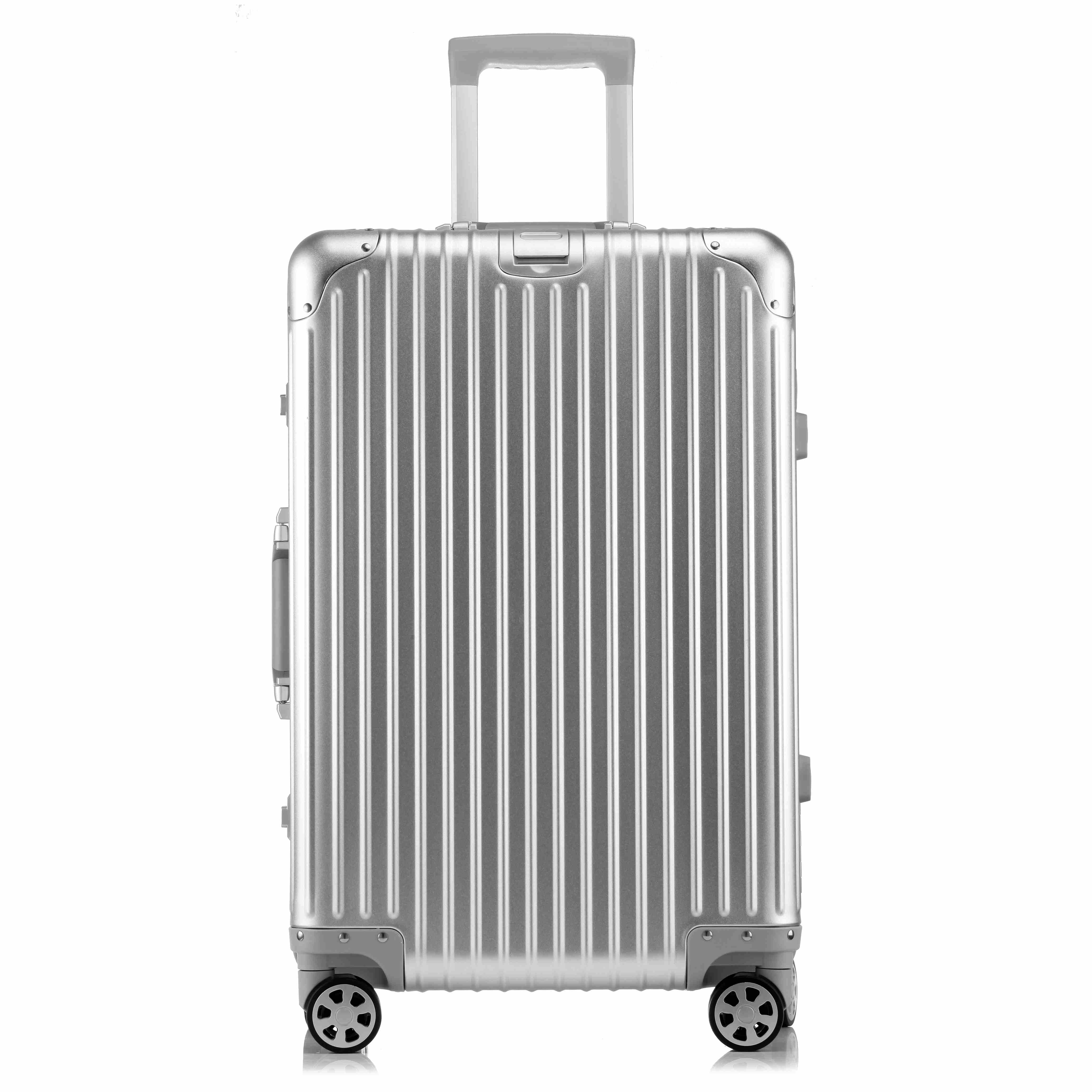
An tAithne ar bagáiste alúmanaim tá sé ag fás go mór le déanaí, agus is iad na turasóirí a theastaíonn ó fhorma proifisiúnta agus caoláin a thagann le comhtháthú agus le hionadú a thagann mar chúis leis an méid sin. In áit na mbaganna bogchúir nó polycarbonate, tugann baganna alúmanaim comhtháthú sonrach de shuíomh struchtúrtha, fiachta agus stíl a bhfuil sé ina chuid den am seo. Áfach, ní dheanann gach bagáiste alúmanaim tÁIRGE baganna alúmanaim an oiread céanna, agus má thuigeann tú cad a bhfuil le measadh sula ndéanann tú ceannach, beidh tú in ann mícheart costais agus cur isteach ar thuras a sheachaint.
Tuiscint ar Chineál Alúmanaim na mBaganna
Cén fáth a bhfuil Tábhacht an Chineáil Alúmanaim don Fhíortháthú
Ní hé alúmanaim gach cineáil mar an gcéanna, agus nuair atá sé ag dul i gceist bagáiste alúmanaim , tá an leithéid sonrach a úsáidtear i mbunaithe an cháscair ag déanamh ról bhríomhach i bhfheidhm an cháscair faoi chúinsí turas fíor. Cearnóga alúiminiúim a roinntear de réir uimhreacha sreinge—mar shampla na sreingí 1000, 3000, agus 6000—le haghaidh cothrom idir crua, meáchan, agus tuairiscíocht ar ghasra. Don t-áiseanna turas dúnta, is fearr go minic na cearnóga airde sa sreinge 6000 mar go bhfuil láidreacht tarraingthe neartúla acu agus tá siad go leor éadrom le húsáid laethúil phraiticiúil.
D’fhéadfadh cascair alúiminiúim íseal-ghrád a bheith cosúil le ceann airde ag an gcéad shealladh, ach beidh sé níos éasca le díon faoi bhrú an áiseanna, beidh sé ag cur as a chomhpháirtí tar éis úsáide fhad, agus beidh sé ag caoineadh níos tapúla nuair a bheidh sé ina threo ar uisce nó ar fhuarán. Caithfidh na turasóirí a dtagann an cháscair i gceannas orthu bagáiste alúmanaim do thurasanna idirnáisiúnta minic a fháil amach an speicíficeacht cearnóige a sholáthraíonn an monarca. Ní hearráid bheag teicniúil é seo—ní mór é a bheith mar bhunús ar fhad a mhairfidh do investíocht.
I scénáin gairmiúla B2B i leith fáilte, is é gradam an ailt is speisialta a iarraítear go minic ar mhanaigirí taistil corparáideacha nuair a bhíonn siad ag ceannach bagáiste i mbulk do a dtuiscint. Is é an fáth simplí: laghdaíonn táirge le gradam airde an uimhir a dhéanann sé de athsholáthráil, laghdaíonn sé an costas iomlán úsáide, agus coimeádann sé íomhá gairmiúil chothrom thar am. bagáiste alúmanaim tugann tuiscint ar ghraidm an ailt cumhacht duit ceisteanna ceart a chur agus é a bheith ina ghaol ar theangacha margaíochta neamhghnáth.
Tionchar Tanaisteachta na gCuaichí agus Tacaíocht Shtruchtúrtha
Thar an n-ghradam ailt, is é tiús an chuirp alúmanach an príomhathróg a úsáidtear chun an tionscnamh a mheas bagáiste alúmanaim . Tugann painéil níos tiúsaige tacaíocht níos fearr i gcoinne tionchair agus cruthú, ach cuireann siad freisin breiseán ar mheáchan an chuairt. Tá an dóigh cheart a aimsiú idir tiús an chuirp agus teorainneacha meáchain na taistil—go háirithe le srianta an t-aerlíne maidir le bagáiste a thagann leat—mar dhúshlacht phraiticiúil a réiteoidh déantóirí smaoineach trí innealtóireacht seachas trí chompromís.
Dealraithe go maith bagáiste alúmanaim cuirtear tacaíocht struchtúrtha freisin isteach i na táirgeoireachtaí, mar shampla ag na ciorcail, ag na pointí ceangailte hinsí, agus ag na meicníochtaí glas. Is iad na háiteanna seo áit a dtagann an chuid is mó de na brisneacha struchtúrtha i bhfógraí íseal-cháilíochta. Dáileann na ciorcail tacaíteacha fuinneamh tiontaithe go cothromaithe ar fud an fhráma, ag cur in égnaí ar bhriseadh nó ar dhéanamh áitiúil a mhoillíonn slándáil an chomhpháirt iomlán.
Nuair a dhéanann tú staidéar fisiciúil nó a athbhreithniú ar na speisíficáis do bagáiste alúmanaim , brúigh go bog ar na dromchlaí plaingeacha agus déan iniompar ar na ceangail ciorcail. Beidh an t-ábhar ardnádúrtha daingean le beagán sáiteach agus beidh na ceangail ciorcail soiléir, cruinn agus gan aon bholg nó oiriúnachtaí gearra a fheiceáil. Taispeánann na sonraí seo an leibhéal tacaíochta inneallachta a cuireadh isteach sa pherformance struchtúrtha fadtéarmach an táirge.
Meastóireacht ar an gharda agus ar na gnéithe slándála
An Ról a Imíonn na Córais Glas TSA
Ní bheidh an cás alúmanaim arda-chaileachta ina úsáid mór má theipeann ar an ghardaíocht timpeall air freastal ar riachtanais na dturais chomhaimseartha. Dona turasóirí a thagann ag eitilt trí Mheiriceá Aontaithe nó a n-athshocraíonn trí chuanáin idirnáisiúnta le prótacail scannála TSA, níl an córas glasán a bhfuil cead ag TSA ná ar cheart é a úsáid — is riachtanas praiticiúil é. Bagáiste alúmanaim tugann táirgí le glasáin a aithnítear ag TSA deis do ghníomhaireacht na slándála an t-ábhar a inspéacht gan an glasán a mhilleadh, agus mar sin bíonn an gné slándála agus an t-ullmhú struchtúrtha ar an mbagáiste i mbun coimeádta.
Glasáin TSA a chuirtear isteach i bagáiste alúmanaim déantúsaíochtaí ba chóir go mbeadh meicníochtaí uimhriúcháin acu déanta as alaíom zinc daingean nó comhpháirteanna nylon a fhorbraíodh go speisialta chun iarrachtanna a dhéanamh orthu. Is minic a bhíonn meicníochtaí glasán saor in aisce mar phointe lag i mbagáistí alúmanaim a bheadh oiriúnach ar aon nós eile, agus is iad na céad chuid a theipeann faoi úsáid atá ann go minic nó faoi iarrachtanna a dhéanamh orthu go dtí an pointe a mhillfear iad. Meas an t-ádh a bhaineann leis an bpláinéad glasáin i dtreo an taobh agus an sámhalas a bhaineann le rothlú an uimhriúcháin mar chuid de na critéir roghnaithe.
Do threoraithe gnó, glasra TSA iontaofa ar a bagáiste alúmanaim freagairt freisin mar shiombail gairmiúil réadúil agus aire do na mionsonraí. Tugann teacht ag an seiceáil slándála le bagáiste alúiminiam go maith déanta agus le glasra airgead ar eolas faoi eagraíocht agus ar an bhfírinne a bhfuil a bheanann na bagáistí bog in ann a thaispeáint. Is é an glasra uirlis fheidhmiúil agus freisin ceangal gairmiúil nuair a chuirtear isteach é go cúramach sa dearadh.
Córais Rothar agus Dúnadh Meánach gan Zipper
An córas rothar ar bagáiste alúmanaim táirgí is é ceann eile den áit ar a dtugann difríochtí na cáil le feiceáil go tapa, go háirithe thar úsáid ar fheabhas i sráideanna aerfort, ar bhóithre cloch, agus i corridors óstáin. Is iad na rothair spinnéir—na rothair a roltar 360 céim—an sreanga a bhíonn ag teastáil as bagáistí alúiminiam nua-aimseartha, ach tá difríocht mhór ann idir na monarcaí maidir leis an gcás rothair, an t-ábhar coisneacháin, agus an modh ceangail.
Ardchaighdeánach bagáiste alúmanaim úsáideann na táirgeoireachtaí rothaí sileant-glide a bhfuil siad suiteáilte le córais aiseanna láidre a chosnaíonn an t-éagóra leathach agus a chuireann bac ar ghlacadh. Cruthaíonn córais rothaí íseal bualadh, agus iad a n-éagóra a ghluaiseacht go slán, agus is minic a bhristeas nó a ndeachaíonn siad amach tar éis úsáide fadtéarmach. Nuair a mheastar cás turasóireachta, bain triail as na rothaí ar uirlis chaol agus cuir brú leathach mhéadaithe orthu chun meas a dhéanamh ar chomh slánuil is atá siad suiteáilte. Is deacair agus costasach rothaí ionadaithe a sholáthar ar chúlchásanna alúiminiúim, rud a fhágann go bhfuil an cháilíocht tosaíochta na rothaí tábhachtach ar feadh an tsaoil fadtéarmach.
Go leor de na táirgeoireachtaí arda bagáiste alúmanaim tá dearadh freisin ar na dearadh a úsáideann córas dúnta fráma in áit dhúnta tréadóireachta traidisiúnta. Tugann dúnta fráma—ar a ndeirtear go mbíonn dhá fhráma daingean ag cliceáil le chéile timpeall an pheriméadar—slándáil níos fearr agus tá siad níos faide i gcathú ná córais bunaithe ar thréadóireacht. Cuirfidh siad leis freisin go n-oscailtear an baga go dtí an brú go neamhthagann, a bhíonn mar phointe míshástha coitianta do dhúnta tréadóireachta i scéalta bagaistí a sheiceáiltear. Is comhartha láidir é córas dúnta fráma ar gheallacht an mhonarcha ar an mbaolacht iomlán an táirge.
Meáchan, Capasacht, agus Feidhmíocht práinneach taisteal
Meáchan Alúmanaim a Bhualadh le Srianacha Aerlíne
Is é ceann de na cúiseanna is coitianta a thagann i gceist le bagáiste alúmanaim a mheáchan i gcomparáid le polycarbonate nó le roghanna bog-chrosta. Tá fírinne ann go bhfuil cásanna alúmanaim i gcoitinne níos troma ná a gcomhionannais plastaic don méid céanna. Mar sin féin, tá an beart seo ag laghdú go mór mar gheall ar chur chun cinn i n-innill alúmanaim, agus tá go leor den tsaol nua-aimseartha bagáiste alúmanaim tá an t-ábhar i gcatagóir na 20 troighin a thagann mar bhaile leat anois ag fulang an treoir coitianta maidir le meáchan na mbaganna a thagann mar bhaile leat agus tá spás fós le haghaidh ábhair a chur isteach.
Nuair a mheasann tú an meáchan don bagáiste alúmanaim táirge ar leith, déan an méid a chuireann an bagún folamh i gcomparáid i gcónaí leis an teorainn a cheadaítear do bhaganna a thagann mar bhaile leat ag an aerlíne is mó a úsáideann tú. Ceadaíonn an chuid is mó de na príomh-aerlínithe baganna a thagann mar bhaile leat suas le 7–10 cilograma i dtiomantas, rud a chiallaíonn go mb’fhearr leis an mbagún féin measaíocht níos lú ná 2.5–3.5 cilograma chun spás riospáideach a fhágáil do phacáil. Is minic a fhoilsiúnn na monaraithe a dheanann a mbaganna alúiminiam le haghaidh oiriúnú meáchain mar aidhm dearadh go sonraí meáchain mionsonraithe a dhéanann an ríomh seo simplí.
Don bagán a sheiceálfar, is lú an tábhacht atá leis an eochair-mheáchan ach tá sé fós gaolmhar má tá tú ag iarraidh an spás pacála a mhéadú laistigh de na teorainneacha bagáin. Tá bagán go maith deartha bagáiste alúmanaim ba chóir cás-umha i bhfad 24 nó 28 ort a bheith in ann go leor spás a sholáthar do thurasanna fada gan do chuid iomlán meáchan a úsáid suas sa chás féin. Má léann tú na speicíficíochtaí faoi bhurndáil istigh mar aon le sonraí faoi mheáchan, gheobhaidh tú pictiúr iomlán den úsáideachas praiticiúil.
Eagraíocht Inmheánach agus Éifeachtacht an Phacála
Tá feabhas an chaiscinn amuigh ar bagáiste alúmanaim ach amháin cuid de na coinníollacha roghnaithe. Tá an córas eagraíochta istigh i dteagmháil dhíreach leis an gcaoi a bheidh tú in ann do mhórchuid a phacáil, rochtain a fháil ar do mhórchuid, agus do mhórchuid a choinneáil slán le linn an t-iascraidh. De ghnáth tá cáscais airgid ardfheidhmeach le dé-ghnéithe le roinnt idirchórais, le sreanganna ceangailte croiseacha do chuid éadaí, agus le pocaí lámhach le zips do chúlraí agus do dhócmhaintí.
Tá an t-ábhar línte a úsáidtear i bagáiste alúmanaim tá tábhacht ag an interior freisin ar fheabhas fadtéarmach. Tá línte poliastair in ann tuirse a sheachaint agus é furasta a ghlánadh le páipéar, ach bíonn sé ina chuid níos saoire go dtí go mbíonn an t-ádh fliuch, go mbíonn an t-ádh ag briseadh agus go mbíonn na bolgáin ag bualadh le hóráidí thar ama. Úsáideann roinnt táirgeoireachtaí uascháilí ábhar línte a bhaineann le micribheithigh a chosainn fás na mbacainí—is gné tábhachtach é seo do thurasóirí a chuireann a gcuid gearracha spóirt, a gcuid bróg fliucha nó a gcuid bia le a gcuid éadaí.
Scrúdaigh an bhfuil an fráma istigh den bagáiste alúmanaim táirge le struchtúir tacaíochta daingne a chosnaíonn na painéil crosta ó ghluaiseacht isteach faoi bhrú an phacála. Ní amháin a chosainn fráma foirgnimh maith do chuid ábhair ach cuirfidh sé freisin an cruinneas geoiméadrach den chrosta i bhfeidhm thar na blianta. Is minic a dhéantar an mionsonra seo dearmad air ag lucht ceannaíochta atá dírithe go hiomlán ar an taobh amuigh, ach tá sé tábhachtach go mór mar a chaithfear an cás thar céadta turas.
Dearadh Aistéiteach agus Oiriúnachas Gairmiúil
Dearadh Míníleach do Chomhthéacs Turasóireachta Gnó
Bagáiste alúmanaim tá sé an-láidir ceangailte le haisneois gairmiúil, míniúil a chuireann tacaíocht ar thimpeallacht turasaithe gairmiúla. Tugann na línte glan, an críochnú meitileach, agus an chruth struchtúrtha ar chuasach alúiminiam go maith an dearadh cruinn agus gairmiúil ar nós nach bhfuil ar chuasacha de shraith nó polycarbonate go minic. Dona bhaincigh, dona comhairleoirí, agus dona turasóirí corparáideacha atá ag turasú go minic, is cuid den láithreacht gairmiúil atá acu an tionchar radharcach a chruthaíonn a gcúlra.
Dearadh míniúil i bagáiste alúmanaim leanann sé thar thuiscint radharcach—cuireann sé freisin an uimhir íseal comhpháirtí amach a d’fhéadfadh a bheith ina phointe snag, a bheith briste nó a mhothú deargadh leis an aimsir. Is pointí briste féideartha iad poicéist amach, gearrthóga breise, agus córais criosanna casta ar aon chuasach. Laghdaíonn dearadh alúiminiam ghlan agus é simplí, le haghaidh glan amach agus córas láimh intiogtha na pointí seo gan a bheith ina bhfocal, agus cuireann sé ar aghaidh an t-athbheochan láidir agus cinntitheach.
Nuair a roghnaíonn tú bagáiste alúmanaim do réimse taistil gairmiúla go sonrach, smaoinigh ar conas a mbeidh an dath agus an críochnú in ann seasamh i gcoinne úsáide rialta. Tendann críochnuithe alúmanach greamaithe a aois a dhéanamh go deas, ag forbairt patina a chuireann carachtar leis an rud thar am, ach b’fhéidir go mbainfidh críochnuithe polaithe nó paonteáilte tuilleadh aird ar shliogáin. Cabhraíonn tuiscint ar an gcóras críochnú le socrú súile réaltúla maidir le haisnéis fhadtéarmach agus laghdaíonn sé an mísháshú tar éis na dturais chéad déag.
Cáil an láimhseála agus dearadh erganómach ar an bhfórsa a úsáidtear
An córas láimhseála teileascópach ar bhagáiste bagáiste alúmanaim faightear stres mórchumhachtach ar an gcóras láimhseála teileascópach ar bhagáiste thar thréimhse shaol an táirge agus is fiú é a mheas go cúramach le linn an phróisis roghnaithe. Ba chóir go n-éireodh an láimhseáil theileascópach go maith ingearach agus go n-éireodh sí a scriosadh go slán, ag glacadh go daingean ag iomad líon suíomhanna airde, agus ag cosaint in aghaidh scuabtha i dtreo an taobh nuair a bhíonn an bagáiste á dtarraingt. Is minic a bhíonn láimhseálacha le toranna istigh as alúmanach níos faoi mhéad ná na léaráin le toranna de stáin nó de chomposit, ag coimeád an ailíneáil faoi chuairtanna athsheolaithe.
Is dearadh an ghluaisteáin fachtóir eargónach eile a dhifríonn cáil ar bhealaí éagsúla bagáiste alúmanaim tá gluaisteán rúibéar nó gluaisteán bog le feabhas a chur ar bhuanaithe lámh le linn siúlóidí fada i dtaisceanna aerfoirt agus le feabhas a chur ar smacht ar dhromchlaí neamhchothrom. Tá gluaisteáin plastaic daor, cé go mbíonn siad coitianta ar bhreisnín a thagann le buaiceas, tanaí agus gan áthas le linn tránsfear fada agus d’fhéadfadh siad a bhriseadh faoi chúrsaí aeir fuar. Is chomh tábhachtach le húsáid an struchtúir an chuimhne a chur ar shuíomh an ghluaisteáin.
Ba cheart na láimhshamhlacha ar bharr an tsacairt agus na láimhshamhlacha ar thaobh a mheas freisin maidir le láidreachas an nascanna agus doimhneacht an phadála. Ar bagáiste alúmanaim na sacairtí, bíonn na láimhshamhlacha seo mar aon leis an mbosca féin, agus is de réir cháil an tacaíochta a úsáidtear leis an mbosca a chinntítear an mbeidh siad ag scuabadh nó ag dtarraingt ón mbosca le linn ama. Is comhartha dearadh eargónach cuí é láimhshamhlacha a bhfuil ceangal láidir orthu agus atá padaithe go daingean, rud a aithníonn an bealach a úsáideann turasóirí a gcuid sacairtí ar fud a dturas.
Ceisteanna Coitianta
An bhfuil sacairtí alúiminiam níos trom ná sacairtí polycarbonate?
Is, bagáiste alúmanaim is minic iomlán ná roghanna polycarbonate den chineál céanna, ach tá an beartú leis na dealbhuithe alamhainiam airgead a laghdhaigh an beart seo go mór. Is minic iomlán 2.5–3.5 cilogram ar chófraí alamhainiam 20 ort, agus tá sé seo taobh istigh den teorainn meáchan a cheadaíonn an chuid is mó de na heitleáin. Cuireann an méid breise meáchain in áirithe ar an t-éifeachtas níos mó, ar an gcosaint in aghaidh tionchair agus ar an struchtúr thábhachtach ar feadh an tsaoil iomláin an mhíre.
Conas a chaomhnaím an t-áisneis uaireanta ar chur i gcás alamhainiam?
Caomhnú an áisneis ar bagáiste alúmanaim ag teastáil glanadh uairiúil le brúscán bog agus glanadóir mílís, gan bhruscaireacht, chun salachar an uairseoil agus liathróga meáchain a bhaint. Tá críochnú bruscaireach níos fóidir le scortha beaga agus is féidir é a chur ar ais go cothromach le buaileadh éadrom. Ná húsáid glanadóirí ceimiceacha tromacha nó páidí bruscaireach, mar is féidir leo an clár cosanta a bhaint agus an uairseoil a dhul dubh. Caomhnaíonn an t-ullmhú rialta do chúrfáil alamhainiam agus cuireann sé ar aghaidh an t-ádh fásach ar an úsáid.
An féidir bagáiste alúmanaim a athchóiriú má thagann ciorcail nó cruthú air?
Bagáiste alúmanaim is féidir leis an alúmanaim sin ciorcail bheaga a sheachaint ó phléascadh bagáiste, agus i roinnt cásanna is féidir ciorcail bheaga a bhrú go cúramach ar ais isteach i mbun cruth ag baint úsáide as brú láimhe éadrom nó uirlisí athchóirithe gairmiúla. Ach de ghnáth, tá seirbhís gairmiúil nó málartú comhpháirtiúcháin riachtanach do chruithithe doimhne nó crackanna gar do na snaidhmanna agus pointí an ghlasra. Tugann togha táirge le gradáil ard-alúmanaim ón tús laghdú suntasach ar an dóigh a dtarlaíonn cruithiú struchtúrtha faoi choinníollacha taistil ghnáth.
Cé acu an méid is fearr de bhagáiste alúmanaim le húsáid mar bheachan?
Is é an méid 20 orta an molta is coitianta bagáiste alúmanaim formáid do úsáid mar bheachan, mar gheobhaidh sé isteach sa mhéid a shonraíonn na h-aerlínte idirnáisiúnta móra don bhagáil thar an gceannaire. Soláthraíonn an méid seo cumas pacála leis le haghaidh turasanna dhá lá go cúig lá agus cuireann sé teorainn ar thiomáin iomlán an bhagáil mar bheachan. Déan cinnte gur féidir leat an méid sonrach a sheiceáil i gcomhréir le polasaí an aerlíne a úsáideann tú go minic mar bheachan sula n-óirítear, mar is féidir leis na teorainní uasta a athrú beagán idir aerlínte.