How to design custom luggage that reflects your premium brand?

2026-04-15 10:30:00
How to design custom luggage that reflects your premium brand?

Creating premium brand-aligned custom luggage requires a strategic approach that seamlessly blends your brand identity with functional design excellence. The process involves understanding your brand's core values, target audience expectations, and the technical requirements that ensure your custom luggage delivers both aesthetic appeal and practical performance in competitive markets.

IMG_2264.JPG

Premium custom luggage design extends far beyond surface-level branding, requiring careful consideration of material selection, construction methods, hardware quality, and user experience elements that collectively communicate your brand's positioning. Success in custom luggage design depends on harmonizing visual brand elements with functional features that meet or exceed customer expectations while maintaining cost-effectiveness and manufacturing feasibility.

Understanding Brand Identity Translation in Custom Luggage Design

Brand Value Assessment and Design Direction

The foundation of effective custom luggage design lies in thoroughly analyzing your brand's core values and translating them into tangible design elements. Premium brands must identify which aspects of their identity can be authentically expressed through luggage features, from material choices that reflect quality standards to color palettes that align with existing brand guidelines.

Brand positioning directly influences custom luggage design decisions, with luxury brands requiring different approaches than practical or eco-conscious brands. High-end positioning demands premium materials like genuine leather, metal hardware, and sophisticated closure mechanisms, while innovation-focused brands might emphasize smart features, lightweight composites, or modular design elements.

Visual consistency across your product ecosystem becomes crucial when designing custom luggage that reinforces brand recognition. The luggage should feel like a natural extension of your existing product line, maintaining consistent typography, color relationships, and design language that customers already associate with your brand.

Target Audience Alignment in Custom Luggage Features

Understanding your target demographic's travel patterns, lifestyle preferences, and functional requirements ensures your custom luggage design resonates with actual user needs. Business travelers require different features than leisure travelers, with considerations for laptop compartments, quick-access pockets, and professional appearance taking precedence over casual design elements.

Demographic research informs size selection, weight distribution, and mobility features in custom luggage design. Frequent flyers prioritize lightweight construction and airline compliance, while luxury travelers may value spacious interiors and premium organizational systems over weight considerations.

Age demographics influence both aesthetic preferences and functional requirements in custom luggage design. Younger consumers often prefer modern, tech-integrated designs with USB charging ports and smart tracking, while established professionals might favor classic styling with premium materials and traditional craftsmanship details.

Material Selection and Construction Methods for Premium Custom Luggage

Premium Material Options and Brand Alignment

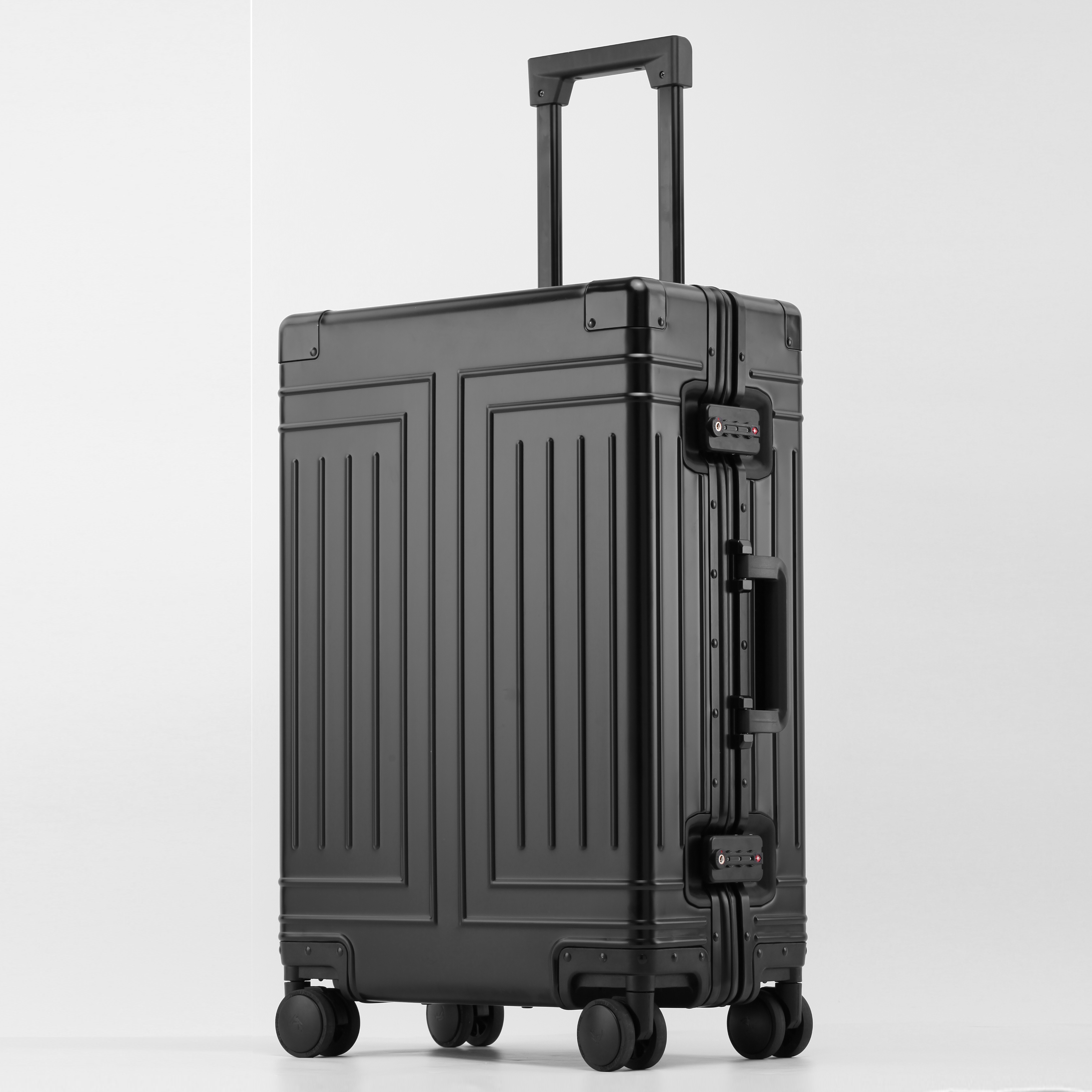
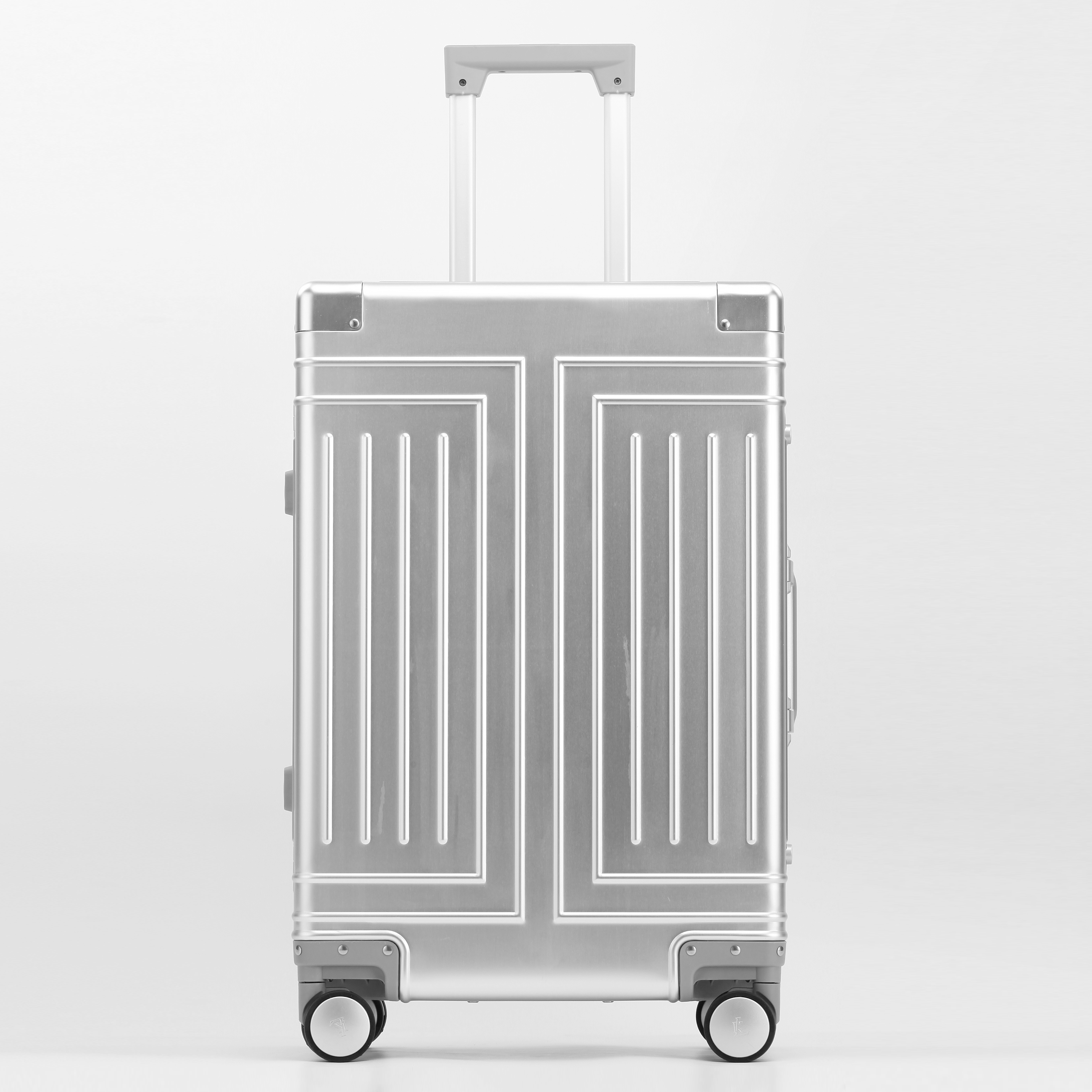
Material selection forms the cornerstone of premium custom luggage design, with each choice communicating specific brand values and quality expectations. Hard-shell materials like polycarbonate and aluminum offer durability and security, making them ideal for brands emphasizing protection and professional reliability in their market positioning.

Soft-sided custom luggage materials, including ballistic nylon, leather, and canvas, provide flexibility and classic appeal that suits brands with heritage or artisanal positioning. The textile choice must align with your brand's quality standards while meeting performance requirements for weather resistance, abrasion tolerance, and long-term appearance retention.

Hybrid construction approaches in custom luggage combine hard and soft elements to achieve optimal performance characteristics while maintaining distinctive brand aesthetics. These combinations allow for protective main chambers with flexible front pockets, enabling both security and accessibility in single design solutions.

Hardware and Closure System Selection

Hardware quality directly impacts both the functional performance and perceived value of custom luggage designs. Premium zipper systems from established manufacturers ensure smooth operation and long-term reliability, while custom pulls and sliders can incorporate brand elements without compromising functionality.

Lock mechanisms in custom luggage must balance security requirements with user convenience, considering TSA compliance for international travel while maintaining brand-appropriate styling. Combination locks, key locks, and smart lock options each offer different advantages depending on your target market's security preferences and technological adoption patterns.

Wheel systems significantly influence user experience in custom luggage, with four-wheel spinner configurations providing superior maneuverability for premium positioning. Wheel quality, bearing systems, and mounting methods must meet durability standards while supporting the overall weight and usage patterns expected from your brand's customer base.

Visual Brand Integration and Customization Elements

Logo Placement and Brand Mark Integration

Strategic logo placement on custom luggage requires balancing brand visibility with aesthetic sophistication. Premium brands often favor subtle integration through embossed details, tone-on-tone applications, or discrete metal badges rather than prominent printed graphics that may appear commercial or temporary.

Brand mark sizing and positioning must consider the luggage's proportions and usage contexts, ensuring visibility during transport while maintaining elegant proportions when stationary. Multiple placement options, including exterior panels, interior linings, and hardware elements, allow for comprehensive brand presence without overwhelming the design.

Color integration in custom luggage extends beyond logo application to encompass lining fabrics, hardware finishes, and accent details that reinforce brand recognition. Consistent color application throughout interior and exterior elements creates cohesive brand experiences that customers associate with quality and attention to detail.

Custom Pattern and Texture Development

Developing signature patterns or textures for custom luggage creates unique brand differentiation that extends beyond logo application. Embossed patterns, woven textures, or molded surface treatments can incorporate brand-specific motifs while adding visual interest and tactile appeal to the luggage exterior.

Interior customization options in custom luggage provide additional branding opportunities through lining fabrics, organizational panels, and accessory integration. Custom prints, embroidered details, or woven labels create premium unboxing experiences that reinforce brand quality perceptions.

Hardware finishing and custom details offer sophisticated branding opportunities through material selection, surface treatments, and functional integration. Custom zipper pulls, corner guards, and handle details can incorporate brand elements while enhancing the luggage's functional performance and aesthetic appeal.

Technical Requirements and Performance Standards

Size Optimization and Airline Compliance

Custom luggage dimensions must carefully balance interior capacity with airline carry-on and checked baggage restrictions to ensure practical utility for target customers. Understanding international size variations and weight limits enables design optimization that maximizes usable space while maintaining compliance across major airline carriers.

Weight distribution in custom luggage affects user experience and handling characteristics, requiring careful consideration of material placement and internal structure design. Lightweight construction techniques must maintain structural integrity while reducing overall weight for improved maneuverability and airline compliance.

Expansion capabilities in custom luggage provide flexibility for varying trip requirements while maintaining compact dimensions for everyday use. Zipper expansion systems, removable compartments, or modular design elements allow users to adapt capacity without compromising the luggage's primary form factor.

Durability Testing and Quality Assurance

Custom luggage must undergo comprehensive testing protocols to ensure performance standards meet brand quality expectations and customer usage patterns. Drop testing, wheel durability, zipper cycling, and handle strength evaluations verify that design choices translate into reliable long-term performance.

Environmental stress testing for custom luggage evaluates performance under temperature variations, humidity exposure, and UV radiation that luggage encounters during travel and storage. These tests ensure material stability and appearance retention throughout the product's expected lifespan.

Quality control procedures for custom luggage production must establish inspection criteria, defect classification systems, and corrective action protocols that maintain consistent brand standards. Regular production audits and sample evaluations ensure manufacturing partners maintain specified quality levels throughout production runs.

Manufacturing and Production Considerations

Production Partner Selection and Capability Assessment

Selecting appropriate manufacturing partners for custom luggage requires evaluating production capabilities, quality systems, and capacity limitations that align with your brand's volume requirements and timeline expectations. Established luggage manufacturers offer proven systems and expertise, while specialized custom manufacturers may provide greater design flexibility.

Manufacturing location decisions for custom luggage impact both cost structures and quality control capabilities, with different regions offering varying advantages in materials access, labor skills, and production technologies. Proximity to target markets may influence shipping costs and lead times for custom luggage distribution.

Production volume requirements influence manufacturing approaches and cost structures for custom luggage, with minimum order quantities, tooling investments, and setup costs varying significantly between production methods. Understanding volume breakpoints helps optimize production strategies for different market entry phases.

Cost Management and Value Engineering

Cost optimization in custom luggage design requires balancing premium brand positioning with competitive pricing pressures through strategic material selection and construction efficiency improvements. Value engineering approaches identify opportunities to maintain quality perception while optimizing production costs.

Design complexity directly impacts custom luggage production costs through tooling requirements, assembly time, and quality control complexity. Simplifying construction methods while maintaining aesthetic appeal often improves both cost efficiency and manufacturing reliability.

Component sourcing strategies for custom luggage can leverage established supply chains while incorporating unique brand-specific elements. Balancing standard components with custom elements optimizes cost structures while maintaining distinctive brand characteristics that justify premium positioning.

FAQ

What are the key factors to consider when selecting materials for premium custom luggage?

Material selection for premium custom luggage should prioritize durability, weather resistance, and brand alignment. Hard-shell options like polycarbonate offer excellent protection, while premium soft materials like ballistic nylon provide flexibility. Consider your brand positioning, target customer preferences, and usage patterns when choosing between lightweight composites, traditional leather, or hybrid constructions that combine multiple material benefits.

How do I ensure my custom luggage design complies with international airline regulations?

Airline compliance requires understanding carry-on size restrictions across major carriers, which typically range from 21-22 inches for wheeled bags. Design dimensions should account for handles, wheels, and any protruding elements in measurements. Weight limits vary by airline class and route, so target designs should minimize weight while maintaining structural integrity. Research specific airline requirements for your primary markets and design within the most restrictive parameters.

What production volume is typically required for cost-effective custom luggage manufacturing?

Minimum production volumes for custom luggage vary significantly by manufacturer and customization level, typically ranging from 100-500 pieces for basic customization to 1000+ pieces for completely custom designs requiring new tooling. Higher volumes reduce per-unit costs through economies of scale, while smaller runs allow for market testing and reduced inventory investment. Consider phased production approaches that start with limited customization and expand as demand validates design decisions.

How long does the custom luggage design and production process typically take?

Custom luggage development timelines range from 8-16 weeks depending on design complexity and manufacturer capabilities. Initial design and sampling phases typically require 3-4 weeks, followed by 2-3 weeks for revisions and approval. Production itself ranges from 3-6 weeks for standard volumes, with additional time needed for quality control, shipping, and customs clearance. Plan for longer timelines when developing completely new designs or working with new manufacturing partners to ensure adequate testing and refinement phases.