Premium Cabin Luggage Metal: Advanced Travel Protection Technology

cabin luggage metal

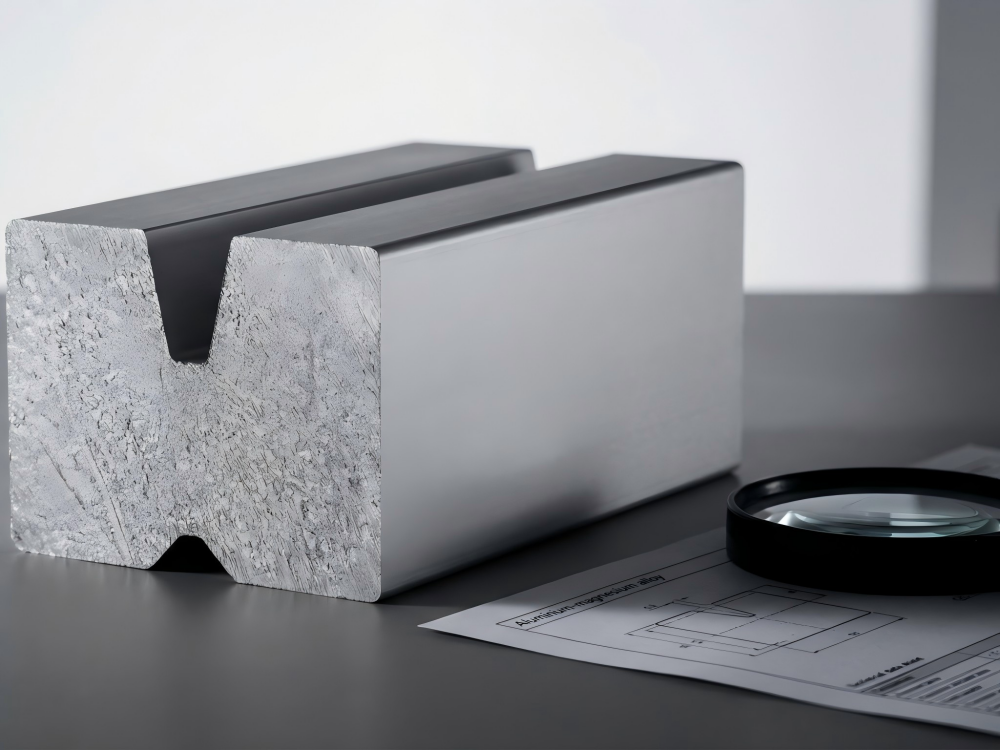
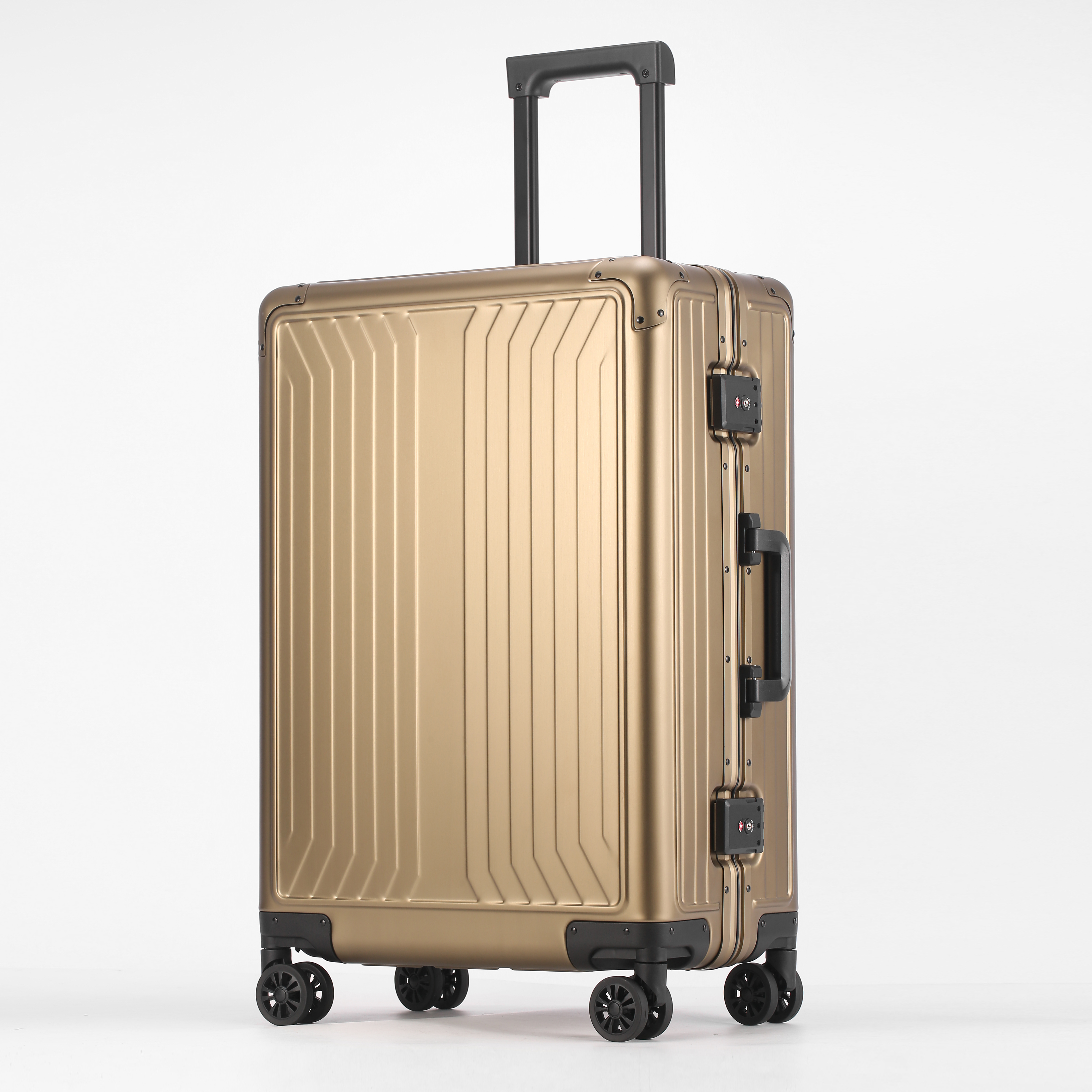
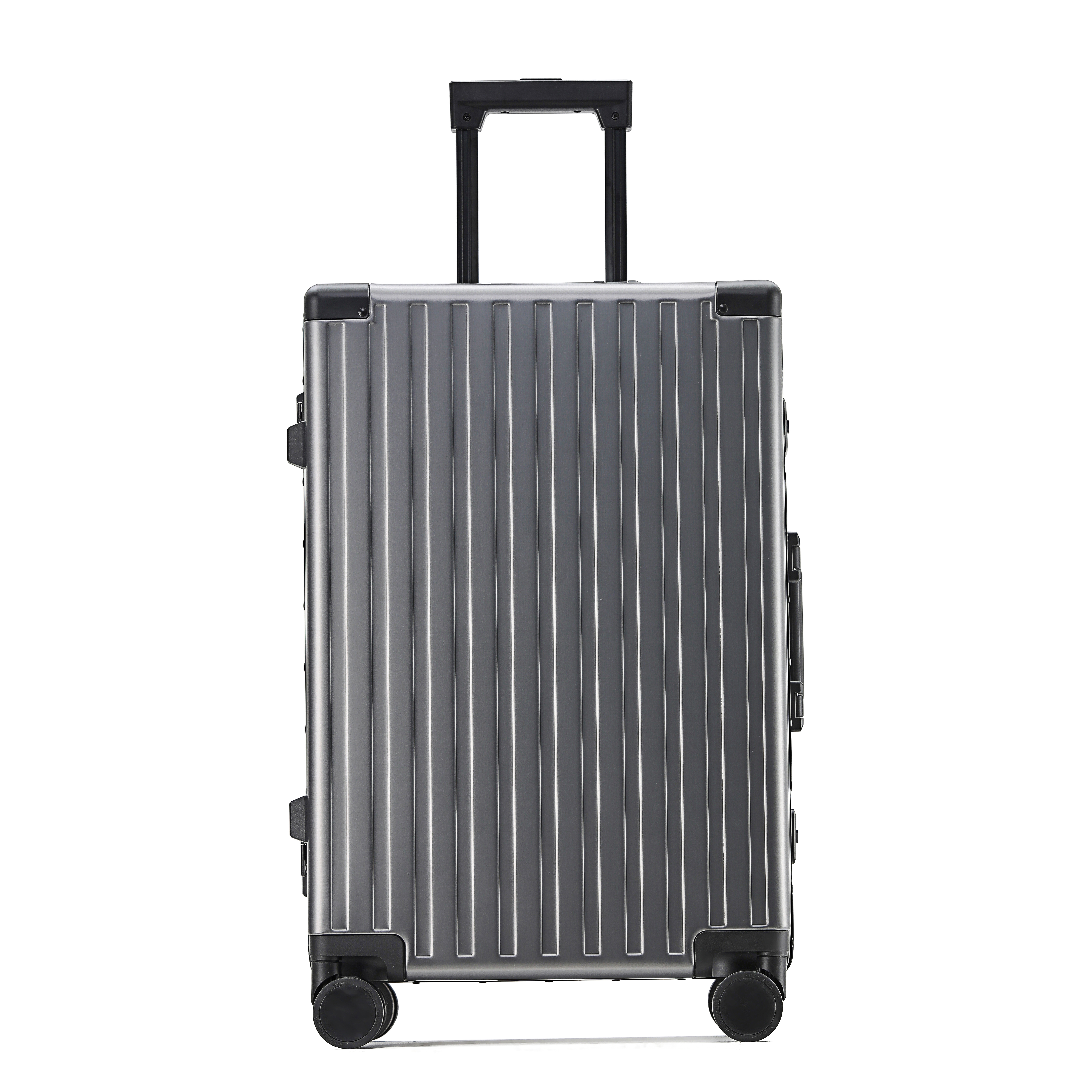
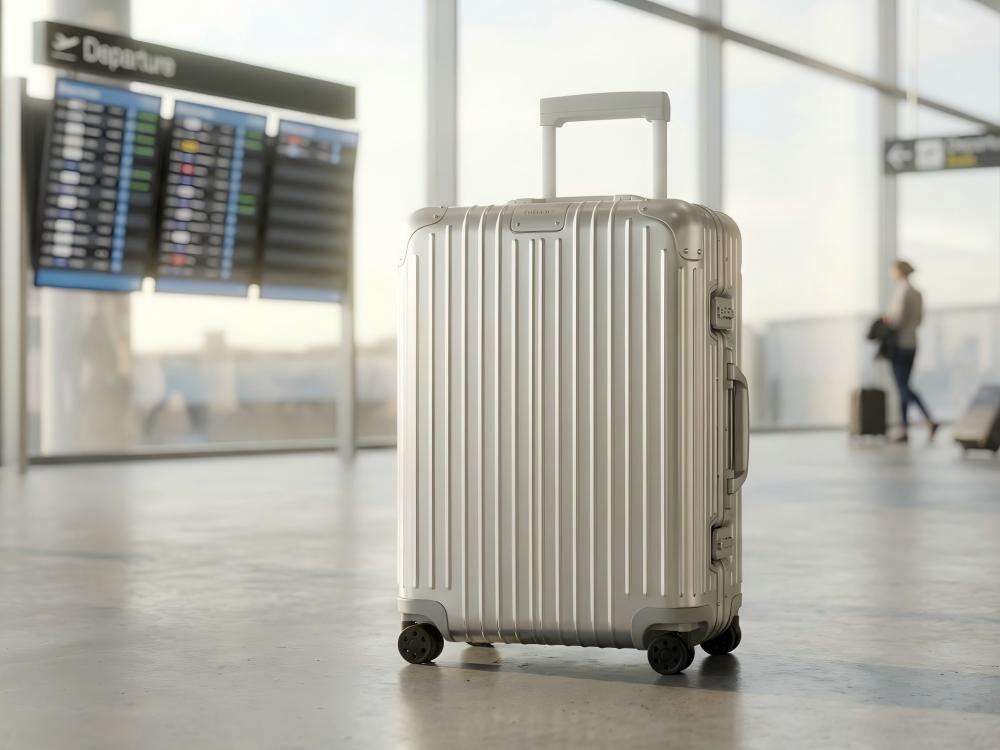
Cabin luggage metal represents a revolutionary advancement in travel gear construction, combining aerospace-grade materials with innovative engineering to deliver superior performance for modern travelers. This specialized metal composition forms the backbone of premium carry-on luggage, offering exceptional strength-to-weight ratios that exceed traditional materials by significant margins. The cabin luggage metal framework utilizes advanced aluminum alloys, magnesium compounds, and titanium elements to create a protective shell that withstands the rigorous demands of frequent travel while maintaining lightweight portability. The technological features of cabin luggage metal include corrosion-resistant surface treatments, impact-absorbing structural designs, and temperature-resistant properties that perform consistently across diverse climate conditions. Manufacturing processes incorporate precision molding techniques, ensuring each piece meets strict dimensional tolerances and quality standards required for airline compliance. The metal undergoes specialized heat treatment procedures that enhance its molecular structure, resulting in improved flexibility without compromising durability. Applications for cabin luggage metal extend beyond basic protection, encompassing smart integration capabilities for electronic components, RFID shielding properties, and modular attachment systems for accessories. The material's non-magnetic properties ensure compatibility with airport security screening equipment, while its smooth surface finish resists scratches and maintains aesthetic appeal throughout extended use. Advanced cabin luggage metal formulations incorporate recycled materials, supporting environmental sustainability initiatives without sacrificing performance characteristics. The metal's thermal conductivity properties provide natural temperature regulation for sensitive contents, while its electromagnetic interference shielding protects electronic devices during transit. These comprehensive features make cabin luggage metal the preferred choice for discerning travelers who demand reliability, functionality, and style in their travel accessories.

New Product Recommendations

The advantages of cabin luggage metal extend far beyond basic durability, offering travelers a comprehensive solution that addresses multiple pain points associated with traditional luggage materials. First and foremost, cabin luggage metal provides unmatched protection for valuable belongings, creating an impenetrable barrier against impacts, compression forces, and environmental hazards encountered during travel. This superior protection translates directly into peace of mind for travelers carrying electronics, documents, or fragile items that require maximum security during transit. The lightweight nature of cabin luggage metal represents another significant advantage, as modern alloy compositions achieve remarkable strength while reducing overall weight by up to forty percent compared to conventional materials. This weight reduction allows travelers to maximize their packing capacity without exceeding airline weight restrictions, effectively increasing the value proposition of every trip. Maintenance requirements for cabin luggage metal are minimal, as the material resists staining, scratching, and wear patterns that plague other luggage types. A simple wipe-down with a damp cloth restores the surface to its original appearance, eliminating the need for specialized cleaning products or professional maintenance services. The longevity of cabin luggage metal construction ensures that initial investment costs are amortized over many years of reliable service, making it a economically sound choice for frequent travelers. Security features inherent in cabin luggage metal design include tamper-evident properties and reinforced locking mechanisms that deter theft attempts while providing visual indicators of unauthorized access. The material's resistance to extreme temperatures protects contents from damage caused by aircraft cargo hold conditions or ground transportation delays in harsh weather. Additionally, cabin luggage metal maintains its structural integrity under stress, preventing deformation that could compromise zippers, handles, or wheel assemblies. The professional appearance of cabin luggage metal enhances the traveler's image in business settings, while its timeless aesthetic ensures continued relevance regardless of changing fashion trends. These combined advantages make cabin luggage metal an investment in travel efficiency, security, and personal presentation.

Tips And Tricks

A Greener Journey Starts with a Suitcase You Can Pass Down: The Sustainable Charm of Aluminum Luggage

27

Jan

A Greener Journey Starts with a Suitcase You Can Pass Down: The Sustainable Charm of Aluminum Luggage

View More
More Than Just a Box: How Aluminum Luggage Became the Ultimate Symbol of Quiet Luxury

30

Mar

More Than Just a Box: How Aluminum Luggage Became the Ultimate Symbol of Quiet Luxury

View More
The Ultimate Guide: Why an Aluminum-Magnesium Suitcase is a Hard-Shell Investment for Your Next Trip

12

Mar

The Ultimate Guide: Why an Aluminum-Magnesium Suitcase is a Hard-Shell Investment for Your Next Trip

View More
Prologue: Defining Excellence in Every Journey

30

Mar

Prologue: Defining Excellence in Every Journey

View More

Get a Free Quote

Our representative will contact you soon.
Email
Name
Company Name
Message
0/1000

cabin luggage metal

Advanced Impact Resistance Technology

Advanced Impact Resistance Technology

The advanced impact resistance technology integrated into cabin luggage metal represents a breakthrough in protective engineering that sets new standards for travel gear durability. This sophisticated system utilizes multi-layered metal construction combined with energy-absorbing geometries to create an virtually indestructible protective shell around valuable belongings. The cabin luggage metal framework incorporates strategically placed reinforcement ribs that distribute impact forces across the entire surface area, preventing localized damage that could compromise the integrity of the luggage interior. Engineering analysis demonstrates that this impact resistance technology can withstand forces equivalent to a 200-pound weight dropping from six feet without sustaining structural damage or transferring harmful shock waves to the contents inside. The technology employs advanced metallurgical principles, including controlled grain structure orientation and strategic alloy distribution, to maximize the material's ability to absorb and dissipate kinetic energy during collisions or rough handling scenarios. Airport baggage handling systems subject luggage to numerous impact events, from conveyor belt transfers to loading equipment operations, making this protection essential for maintaining the condition of packed items. The cabin luggage metal construction includes specialized corner reinforcements and edge protection systems that address the most vulnerable areas where traditional luggage typically fails first. These reinforced zones utilize thicker metal sections and enhanced bonding techniques to create seamless strength transitions that eliminate weak points in the overall structure. Testing protocols for this impact resistance technology exceed industry standards, incorporating extreme scenario simulations that replicate the harshest treatment luggage might encounter during international travel. The technology also includes progressive deformation characteristics, meaning that even under extreme stress conditions, the cabin luggage metal maintains its protective function while gradually absorbing impact energy rather than experiencing catastrophic failure. This advanced protection system provides travelers with confidence that their belongings remain secure regardless of handling conditions encountered throughout their journey.
Precision Weight Distribution Engineering

Precision Weight Distribution Engineering

Precision weight distribution engineering in cabin luggage metal design revolutionizes how travelers experience mobility and convenience during their journeys. This innovative approach utilizes advanced computational modeling to optimize material placement throughout the luggage structure, ensuring that every gram of cabin luggage metal serves a specific functional purpose while maintaining perfect balance characteristics. The engineering process begins with finite element analysis that maps stress patterns and load distribution across various usage scenarios, allowing designers to strategically position reinforcement elements exactly where they provide maximum benefit without adding unnecessary weight. The result is cabin luggage metal construction that achieves optimal strength-to-weight ratios while maintaining ergonomic handling characteristics that reduce user fatigue during extended travel periods. Weight distribution engineering incorporates the positioning of hardware components, including wheels, handles, and locking mechanisms, to create a center of gravity that enhances stability and maneuverability across different surfaces and inclines. The cabin luggage metal frame design utilizes hollow construction techniques and variable wall thickness to minimize material usage while maintaining structural integrity in critical stress zones. Advanced manufacturing processes enable the creation of complex internal geometries that would be impossible with traditional materials, allowing for weight optimization strategies that were previously unattainable in luggage design. The precision engineering extends to component integration, where every element from zippers to telescoping handles is positioned to contribute to optimal weight balance rather than creating handling challenges. Testing procedures for weight distribution include real-world simulation studies where users navigate airports, hotels, and transportation hubs while carrying various load configurations to validate the effectiveness of the engineering solutions. The cabin luggage metal construction incorporates dynamic balancing principles that maintain stability whether the luggage is fully packed or partially loaded, ensuring consistent performance across different usage scenarios. This engineering excellence translates into reduced physical strain for travelers, improved maneuverability in crowded spaces, and enhanced durability through reduced stress concentrations that could lead to premature failure.
Smart Integration Compatibility Platform

Smart Integration Compatibility Platform

The smart integration compatibility platform built into modern cabin luggage metal designs represents the convergence of traditional luggage functionality with cutting-edge technology integration capabilities. This innovative platform provides a robust foundation for incorporating electronic components, connectivity features, and intelligent monitoring systems without compromising the structural integrity or protective characteristics of the cabin luggage metal construction. The platform utilizes specially designed mounting points, cable routing channels, and electromagnetic shielding zones that accommodate a wide range of smart devices while maintaining the luggage's primary protective function. Engineering specifications for the smart integration platform include standardized connection interfaces, power distribution systems, and data transmission pathways that support both current technology and future innovations in travel electronics. The cabin luggage metal framework incorporates dedicated spaces for battery systems, ensuring that power sources remain secure and accessible while meeting airline safety regulations for lithium-ion batteries in carry-on luggage. Advanced shielding properties inherent in the metal construction protect integrated electronics from electromagnetic interference, airport security scanning equipment, and environmental factors that could disrupt device functionality. The platform supports integration of GPS tracking systems, electronic locks, weight sensors, and connectivity modules that enable travelers to monitor and control their luggage remotely through smartphone applications. Design considerations for the smart integration platform include thermal management systems that prevent overheating of electronic components, weatherproofing features that protect against moisture infiltration, and impact protection that maintains device functionality even after rough handling incidents. The cabin luggage metal construction provides natural grounding and shielding characteristics that enhance the reliability and performance of integrated electronic systems while preventing interference with aircraft navigation and communication equipment. Modular design principles allow users to customize their smart integration configuration based on individual needs and preferences, with the cabin luggage metal platform providing standardized mounting solutions for various accessory combinations. This technological integration capability positions cabin luggage metal as a future-ready solution that adapts to evolving travel technology trends while maintaining the fundamental protective and durability characteristics that define premium luggage construction.