
 EN
EN
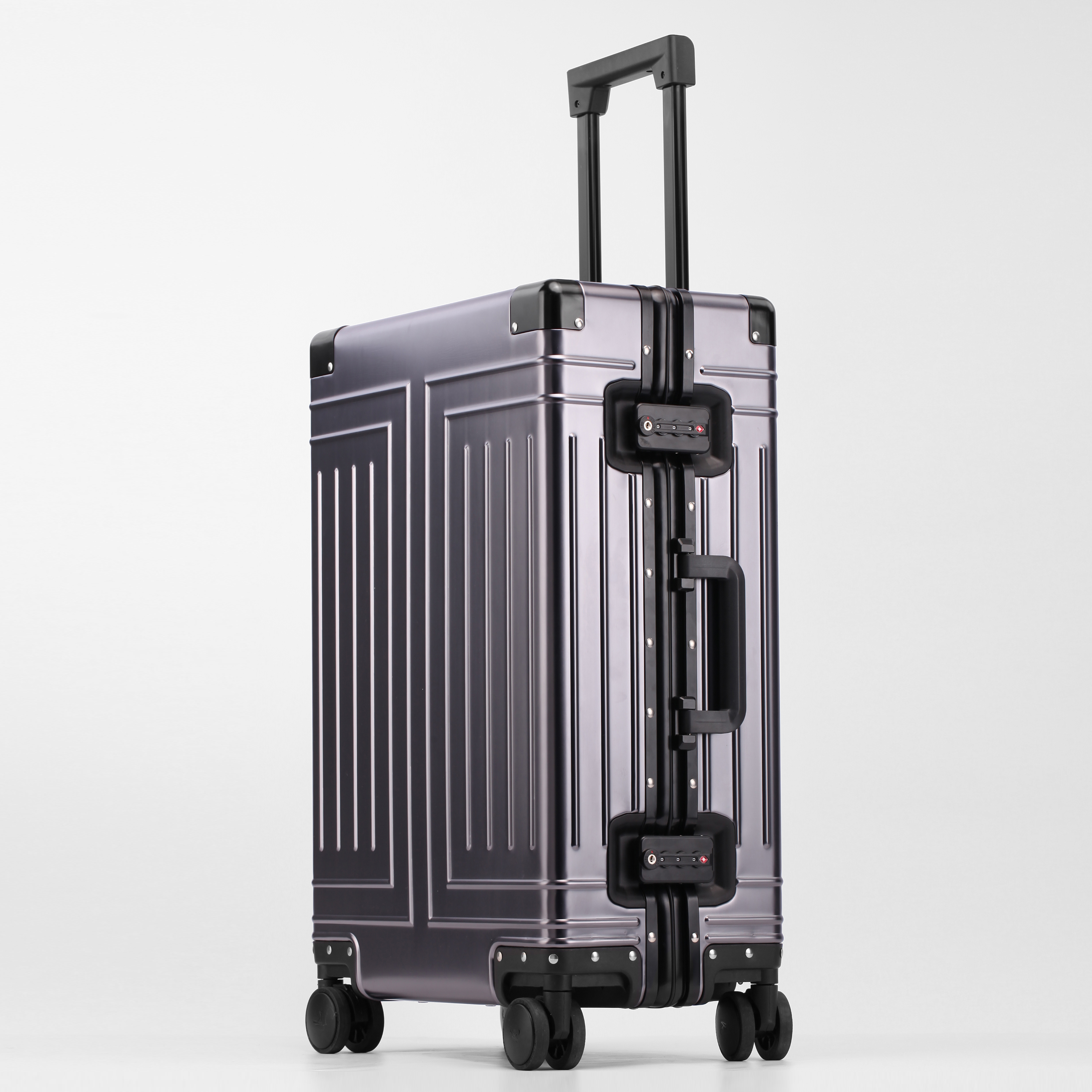
When sourcing or commissioning custom luggage, the stakes are considerably higher than buying off-the-shelf travel bags. Whether you are a brand looking to create a signature product line, a corporate client ordering branded travel gifts, or a retailer building an exclusive collection, every decision made during production directly affects durability, aesthetics, functionality, and ultimately customer satisfaction. Understanding what to check at each stage of the production process can mean the difference between a successful product launch and an expensive recall or rebranding effort.
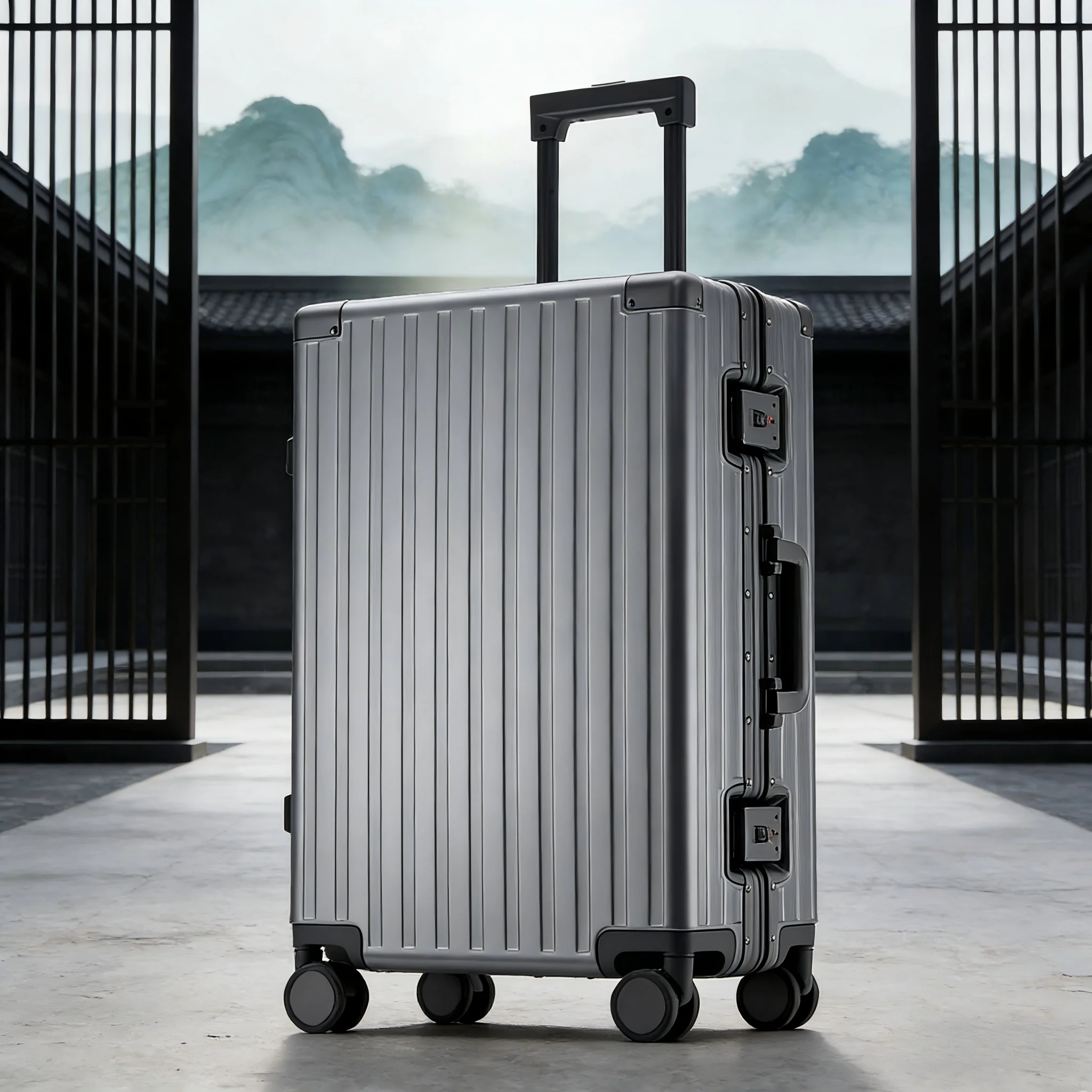
The custom luggage market has grown substantially as travelers demand products that reflect their personal style, professionals seek functional yet elevated designs, and brands recognize luggage as a powerful identity statement. With this growth comes a surge in manufacturers and suppliers, making it more critical than ever to know exactly what quality benchmarks, material standards, and compliance requirements to verify before committing to a production run. This guide walks you through the essential checkpoints that should never be overlooked.
Material Selection and Structural Integrity
Shell Material Standards
The outer shell is the first and most visible element of any custom luggage piece, and its quality determines both aesthetic longevity and physical protection. Hard-shell cases are typically made from ABS plastic, polycarbonate, or aluminum, each offering different trade-offs in weight, impact resistance, and finish quality. Aluminum shells, for instance, provide a premium feel and exceptional rigidity, which is why they remain a popular choice for high-end custom luggage lines that prioritize both style and durability.
When checking shell materials during production, verify that the supplier is using the specified grade of material and not substituting with a cheaper variant. Request material certifications or test reports that confirm impact resistance, flexural strength, and scratch resistance. For custom luggage intended for frequent use, polycarbonate blends are often preferred because they combine lightness with the ability to flex under pressure rather than crack. Any deviation from agreed materials should be flagged before mass production begins.
Surface finish is equally important. Whether your design calls for a matte, glossy, textured, or brushed-metal appearance, confirm that the finishing process is consistent across samples. Inconsistent finishes across a production batch are among the most common quality complaints in custom luggage manufacturing and can be costly to address post-production.
Frame and Internal Structure Assessment
Beyond the outer shell, the internal frame gives custom luggage its structural backbone. A well-built internal frame ensures that the case retains its shape after repeated packing, airline handling, and impacts on conveyor belts. For aluminum custom luggage, inspect the quality and thickness of the aluminum profiles, the integrity of corner joints, and whether rivets or screws are used—and whether they are corrosion-resistant.
For hard-shell cases with plastic frames, check that reinforcement ribs are present inside the shell walls. These ribs add rigidity without adding significant weight. The hinge mechanism connecting the two halves of the case must be able to open and close thousands of times without warping or loosening. Request a stress test or cycle test report to validate this durability claim in your custom luggage specification sheet.
Internal dividers, compression straps, and lining materials also fall under structural assessment. High-quality lining materials resist tearing and moisture, which is especially important for custom luggage used in humid climates or for storing electronics and valuables. Confirm the lining fabric weight, attachment method, and colorfastness to ensure the interior matches the premium exterior your brand promises.
Hardware Verification and Functional Testing
Wheel Systems and Rolling Performance
Wheels are one of the most frequently mentioned pain points for luggage users, making them a non-negotiable focus when inspecting custom luggage production. Spinner wheels—offering 360-degree rotation—have become the standard for modern travel bags, but not all spinner wheel systems are equal. The wheel housing, axle quality, and the material of the wheel itself all influence rolling smoothness, noise level, and longevity.
For custom luggage production, specify whether you require silent wheels, as the internal mechanism and wheel material differ significantly from standard models. Silent wheels use rubber or polyurethane compounds that absorb vibration and reduce rolling noise across hard floors—a feature increasingly demanded by business travelers. Verify that the wheel assemblies in your production samples meet the stated silent-roll specifications by conducting a simple rolling test on tile or hardwood surfaces.
Durability testing for wheels should include drop tests and surface abrasion tests. A reliable custom luggage manufacturer will be able to provide test data showing that their wheel systems can handle a minimum number of kilometers of rolling before performance degrades. If such data is unavailable, consider requesting an independent lab test before approving mass production.
Lock Mechanisms and Security Compliance
Security hardware is a critical checkpoint for any custom luggage order, particularly if the product will be sold in international markets. TSA-approved locks are mandatory for luggage sold in or frequently used in the United States, as these locks allow Transportation Security Administration agents to inspect bags without damaging the lock. Confirm with your supplier whether the TSA lock mechanisms used in your custom luggage production are officially licensed and include the appropriate recognition indicators.
The lock body construction should be inspected for smooth operation, resistance to forced entry, and durability of the reset mechanism. Cheap lock internals may look identical to quality units externally but fail after minimal use. Request cycle testing data showing the lock has been opened and closed repeatedly—several thousand times at minimum—without failure or jamming.
For custom luggage with combination locks, verify that the digit wheels are smooth, clearly numbered, and resistant to accidental resetting. If your design includes key locks or smart locks with electronic components, ensure waterproofing and battery life specifications are clearly documented and tested before production approval.
Customization Quality and Branding Accuracy
Logo and Branding Application Methods
One of the primary reasons companies commission custom luggage is to carry their brand identity. This makes the accuracy and durability of branding application a top-tier quality concern. Branding can be applied through several methods including engraving, embossing, screen printing, laser etching, UV printing, or embroidered patches on soft components. Each method has different levels of durability, color accuracy, and cost implications.
For hard-shell custom luggage, laser engraving and deep embossing offer the most permanent results, as they alter the material surface itself rather than applying a coating that can peel or fade. Screen-printed or UV-printed logos on hard shells require a protective clear coat to prevent chipping and UV degradation over time. Request a sample panel with each proposed branding method applied and subject it to abrasion and sunlight exposure tests before approving the technique for production.
Color accuracy is another area where custom luggage orders frequently run into problems. Ensure that all brand colors are provided to the manufacturer in verified Pantone codes, and confirm that the supplier has the capability to match those colors precisely across both shell surfaces and lining materials. Approve a production-ready sample before authorizing the full run to avoid batch-wide color discrepancies.
Size, Dimension, and Volume Tolerances
Custom luggage is often produced in specific size configurations to meet airline carry-on regulations, fit specific retail packaging, or align with a product family's visual proportions. Deviations in external dimensions—even small ones—can result in airline non-compliance or packaging misalignment, both of which can be commercially damaging. During pre-production sampling, measure external and internal dimensions against your specification sheet with calibrated tools.
Volume capacity, typically measured in liters, should also be verified. Inconsistent internal packing volume affects the product's commercial positioning. For custom luggage produced as part of a set, verify that pieces nest or stack as intended when not in use, which is a feature frequently used as a selling point but rarely tested before mass production.
Weight is another specification that buyers often underestimate in custom luggage orders. Travelers are increasingly weight-conscious due to airline baggage allowances, and a custom luggage piece that comes in heavier than specified can be a significant complaint driver. Confirm the net weight of each pre-production sample and ensure it falls within the agreed tolerance range specified in your purchase order.
Waterproofing and Environmental Performance
Seam and Zipper Water Resistance
Waterproof performance is a key selling attribute for premium custom luggage, particularly for brands targeting outdoor travelers, business executives, or consumers in rainy climates. However, waterproofing claims must be verified rather than assumed. The primary points of water ingress in any custom luggage design are the zipper channel, the hinge area, and the seam between shell halves where they meet.
For zipper-based custom luggage, water-resistant zippers with a polyurethane coating or sealed zipper tape are far more effective than standard nylon zippers. Check whether your supplier uses branded water-resistant zipper systems and inspect zipper heads for smooth gliding action without gap formation when closed. Conduct a simple spray test on pre-production samples to verify that the zipper channel resists light rain and water splashing.
Hard-shell custom luggage with frame closures should have rubber or silicone gaskets along the closure edge to prevent moisture ingress. Inspect the gasket material, its compression fit, and whether it remains seated correctly after repeated opening and closing. A dislodged gasket is a silent but serious quality defect that only appears under actual use conditions.
Corrosion Resistance for Metal Components
Metal hardware on custom luggage—including handles, rivets, wheels, and locks—is exposed to humidity, sweat, and varying environmental conditions that can accelerate corrosion. For aluminum custom luggage, the surface anodization quality directly affects corrosion resistance and color durability. Request the anodization thickness specification and verify it meets at least Type II standards for commercial use.
For other metal components such as corner guards, handle attachments, and zipper pulls, confirm that the plating or coating used is salt-spray tested. A standard salt-spray test of 48 to 96 hours is typically used to simulate long-term corrosion exposure in custom luggage hardware. Any components showing rust or coating degradation within this window should be redesigned or substituted before production approval.
Stainless steel or zinc alloy hardware is generally preferred for custom luggage in humid or coastal environments. While these materials add modest weight, they provide significantly better corrosion resistance and a more premium appearance over time. Confirm hardware material composition with your supplier's material data sheets before production begins.
Compliance, Certification, and Pre-Shipment Inspection
International Safety and Quality Standards
Custom luggage sold in major international markets must meet specific regulatory and safety standards. These include REACH compliance for chemical safety in the European market, CPSC requirements for products sold in the United States, and various labeling standards that differ by region. Failure to comply with these standards can result in product seizure, fines, or costly redesigns after production.
Request compliance documentation for every material used in your custom luggage production, including shell plastics, lining fabrics, adhesives, dyes, and metal hardware. Reputable manufacturers maintain material safety data sheets and third-party test reports for all regularly used production materials. If your supplier cannot provide these documents, that is a significant red flag requiring immediate clarification before proceeding.
For custom luggage brands entering the EU market, the OEKO-TEX certification for textile components and RoHS compliance for any electronic features are important assurances to buyers. These certifications add credibility to your product's safety claims and can be used as competitive differentiators in product listings and marketing materials.
Pre-Shipment Inspection Protocols
A pre-shipment inspection is the final quality checkpoint before custom luggage leaves the factory. This inspection should be conducted by a qualified third-party inspector or a trained in-house quality representative and should cover a statistically valid random sample of the production batch. The AQL (Acceptable Quality Level) standard is commonly used to determine the sampling size and acceptable defect rates.
During the pre-shipment inspection of custom luggage, inspectors should verify external dimensions, weight, branding accuracy, hardware functionality, zipper performance, wheel rotation quality, lock operation, surface finish consistency, and packaging integrity. Each of these checkpoints should have clearly defined pass/fail criteria agreed upon before production begins, so that inspection results can be objectively evaluated.
Packing and labeling verification is also part of the pre-shipment process. Confirm that each custom luggage unit is packed correctly to prevent transit damage, and that all required labels—including country of origin, material composition, care instructions, and any compliance markings—are accurately applied. Discrepancies in labeling can cause customs clearance delays even if the product itself is perfectly manufactured.
FAQ
What is the minimum order quantity typically required for custom luggage production?
Minimum order quantities for custom luggage vary widely depending on the manufacturer, material type, and level of customization. For basic logo printing on existing designs, some suppliers accept orders starting from 50 to 100 units. For fully custom-designed luggage with unique tooling, molds, or structural modifications, MOQs are generally higher, often starting from 300 to 500 units, because the setup costs need to be amortized across a sufficient production volume.
How long does custom luggage production typically take from order to delivery?
Lead times for custom luggage depend on the complexity of the customization, the size of the order, and the current production schedule of your chosen manufacturer. A straightforward branding customization on an existing product model can take 30 to 45 days from order confirmation to shipment. Fully custom designs that require new tooling, mold fabrication, and extended sampling cycles may take 60 to 120 days. Always build buffer time into your project timeline to accommodate sampling revisions and quality approvals.
Can custom luggage designs be protected from being copied by competitors?
Protecting a custom luggage design requires proactive intellectual property measures. Registering an industrial design patent or registered design right in your target markets provides legal protection against unauthorized copying of distinctive design elements. It is also advisable to include non-disclosure and non-competition clauses in your manufacturing contracts. While IP enforcement in international manufacturing can be challenging, having registered rights significantly strengthens your position if disputes arise.
What packaging options are available for custom luggage orders?
Custom luggage packaging options range from standard brown export cartons to branded retail boxes with custom printing, branded dust bags, and custom polybag wrapping. For retail and gifting applications, a branded box with tissue paper, custom inserts, and printed brand messaging significantly elevates the unboxing experience and adds perceived value. Discuss packaging specifications and costs with your manufacturer early in the project, as packaging lead times and minimum order requirements may differ from the luggage itself and can affect your overall timeline.
Table of Contents
- Material Selection and Structural Integrity
- Hardware Verification and Functional Testing
- Customization Quality and Branding Accuracy
- Waterproofing and Environmental Performance
- Compliance, Certification, and Pre-Shipment Inspection
-
FAQ
- What is the minimum order quantity typically required for custom luggage production?
- How long does custom luggage production typically take from order to delivery?
- Can custom luggage designs be protected from being copied by competitors?
- What packaging options are available for custom luggage orders?