
 EN
EN
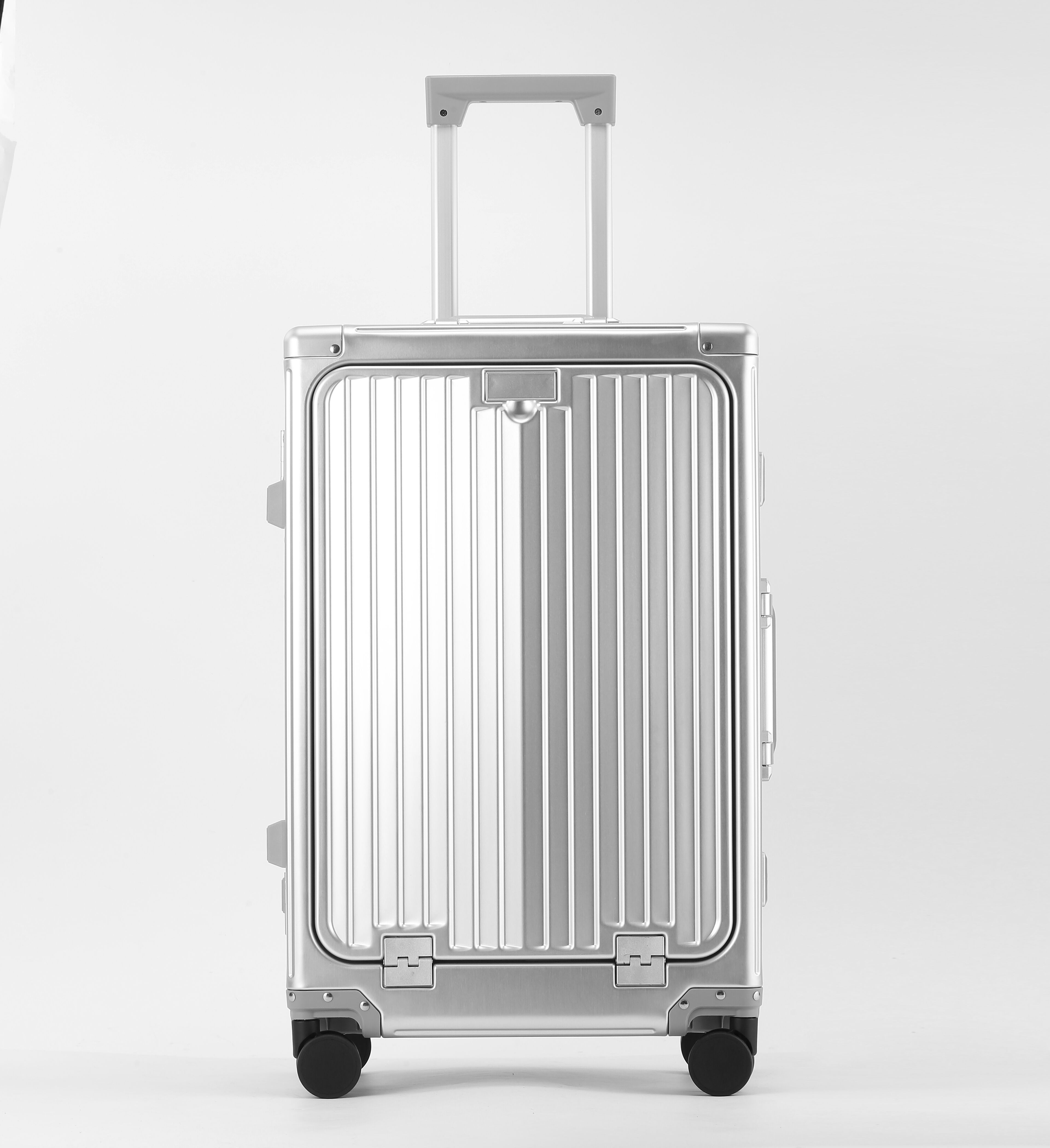
Travel efficiency fundamentally depends on how well your luggage supports your journey from departure to destination. A well-designed suitcase serves as more than just a storage container—it becomes a strategic travel companion that streamlines packing, navigation, and access to essentials throughout your trip. The difference between a basic suitcase and an intelligently crafted one can transform chaotic travel experiences into smooth, organized journeys that save time, reduce stress, and enhance productivity.
Modern travel demands require luggage solutions that address multiple pain points simultaneously. Whether you're navigating busy airports, managing business documents during transit, or accessing personal items quickly, the right suitcase design directly impacts your ability to maintain efficiency throughout your journey. Understanding how specific design elements contribute to travel optimization helps travelers make informed decisions that align with their unique mobility requirements and destination challenges.
Strategic Organization Features That Maximize Packing Efficiency
Compartmentalization Systems for Systematic Packing
A well-designed suitcase incorporates multiple compartments that allow travelers to organize belongings according to usage frequency and item type. Strategic compartmentalization prevents the common scenario where accessing one item requires unpacking half the suitcase contents. Business travelers particularly benefit from dedicated laptop compartments, document sections, and quick-access pockets that maintain organization throughout multi-destination trips.
The most efficient suitcase designs feature expandable sections that adapt to varying packing volumes while maintaining structural integrity. These systems allow travelers to pack light for short trips while retaining the option to expand capacity for longer journeys or souvenir acquisition. Smart compartment placement ensures weight distribution remains balanced regardless of packing configuration, preventing the suitcase from becoming unwieldy during transport.
Accessibility Features for Rapid Item Retrieval
Front-opening designs represent a significant advancement in suitcase functionality, allowing travelers to access specific items without fully opening the main compartment. This feature proves invaluable during airport security checks, hotel room organization, and business meeting preparation where quick access to specific documents or devices is essential. The ability to retrieve items while the suitcase remains upright eliminates the need for floor space and reduces disruption to surrounding passengers.
Modern suitcase designs integrate external pockets strategically positioned for passport storage, boarding pass organization, and essential item accessibility. These features reduce fumbling time during check-in processes and security screening, contributing to smoother travel flow and reduced stress levels during time-sensitive travel segments.
Mobility Enhancement Through Advanced Wheel and Handle Systems
Multi-Directional Wheel Technology for Effortless Navigation
The evolution from two-wheel to four-wheel spinner systems fundamentally changed how travelers interact with their luggage. Quality spinner wheels enable 360-degree rotation, allowing the suitcase to glide alongside the traveler rather than being dragged behind. This design reduces physical strain on the shoulder and arm while enabling navigation through tight spaces like airplane aisles and crowded terminals with minimal effort.
Superior wheel systems incorporate ball-bearing mechanisms that maintain smooth operation even under heavy loads and across various surface types. The placement of wheels at optimal corner positions ensures stability during movement while preventing the suitcase from tipping when stationary. These engineering considerations directly translate to energy conservation during travel, allowing travelers to arrive at destinations less fatigued and more prepared for productive activities.
Ergonomic Handle Design for Comfortable Transport
Telescopic handle systems in well-designed luggage offer multiple height adjustments to accommodate travelers of different statures and walking preferences. The handle mechanism must maintain stability under lateral forces while providing comfortable grip surfaces that prevent hand fatigue during extended walking periods. Quality handle systems integrate locking mechanisms that prevent accidental retraction during use while enabling smooth adjustment when needed.
Advanced suitcase designs feature dual-handle configurations that provide flexibility for both wheeled transport and traditional carrying. Side handles positioned at optimal weight distribution points enable comfortable lifting for overhead compartment placement, while top handles facilitate quick maneuvering in confined spaces. These multiple grip options ensure travelers can adapt their carrying method to specific environmental challenges encountered throughout their journey.
Technology Integration for Modern Travel Demands
Power Management Solutions for Device Connectivity
Contemporary suitcase designs increasingly incorporate USB charging ports that address the constant connectivity needs of modern travelers. These integrated power solutions eliminate the need to locate airport charging stations or carry multiple charging accessories, ensuring devices remain powered throughout transit periods. The strategic placement of charging ports allows simultaneous device charging while maintaining suitcase mobility, supporting productivity during travel delays or extended waiting periods.
Smart power management systems within suitcase designs include battery level indicators and multiple port options to accommodate various device types simultaneously. These features prove particularly valuable for business travelers who rely on multiple devices for communication, presentation delivery, and real-time work collaboration. The integration of power solutions directly into luggage design eliminates the common travel anxiety associated with battery depletion during critical business activities.
Smart Tracking and Security Features
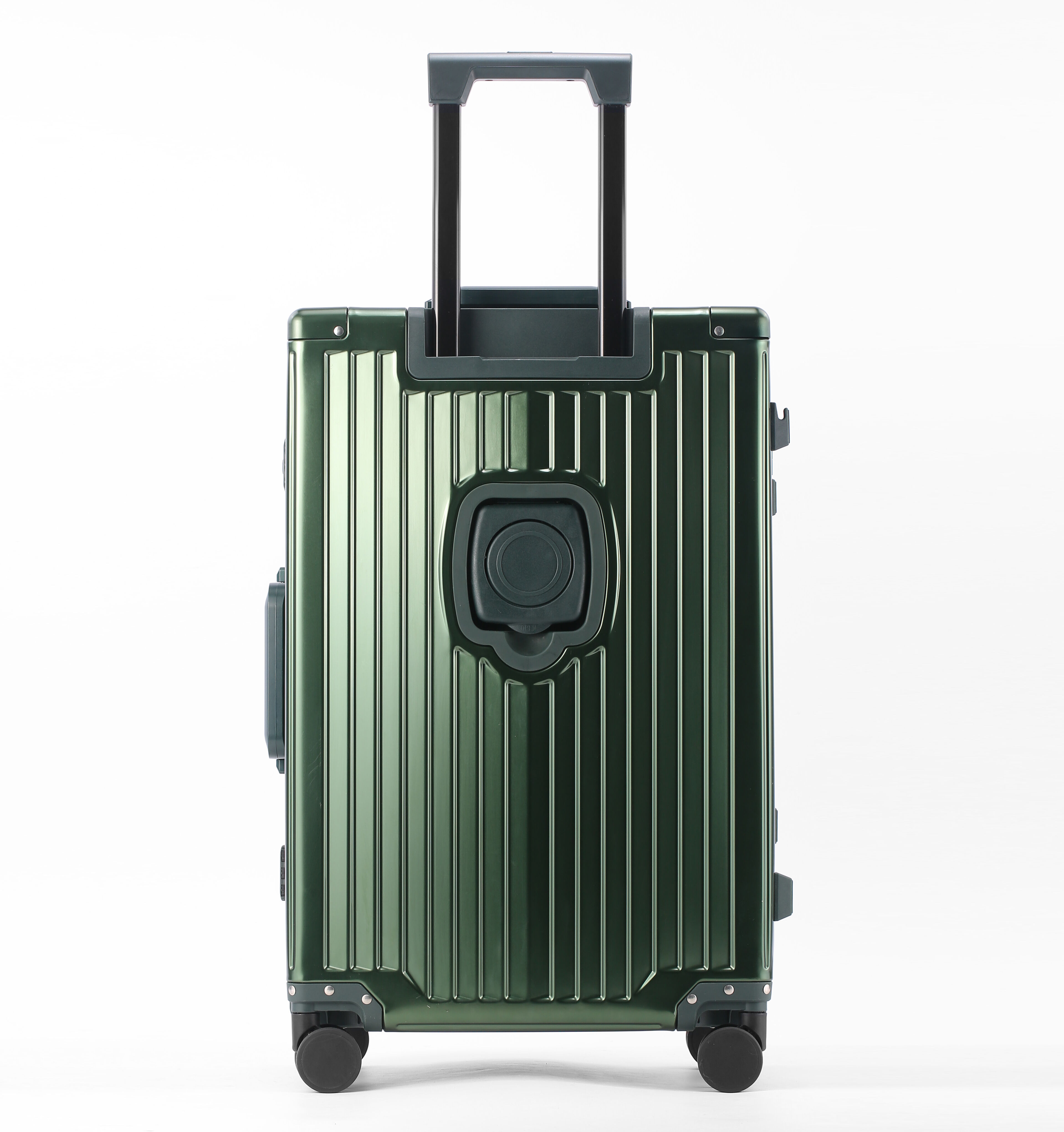
Advanced suitcase technology incorporates GPS tracking capabilities that provide real-time location monitoring through smartphone applications. These systems offer peace of mind during baggage handling processes and enable rapid recovery in misplacement scenarios. The integration of tracking technology into suitcase design represents a proactive approach to travel risk management that saves time and reduces stress associated with luggage uncertainty.
Biometric locking systems and smart security features enhance suitcase protection while maintaining user convenience. These systems eliminate the need for traditional combination locks while providing superior security through fingerprint recognition or smartphone app integration. The convenience of quick access without fumbling for keys or remembering combinations contributes to overall travel efficiency, particularly during time-sensitive situations requiring rapid luggage access.
Weight Distribution and Structural Efficiency
Lightweight Materials That Maintain Durability
Modern suitcase construction utilizes advanced materials that significantly reduce overall weight without compromising structural integrity or protection capability. Carbon fiber, aluminum alloys, and high-strength polymers enable manufacturers to create luggage that maximizes packing capacity while staying within airline weight restrictions. This material optimization directly translates to increased packing allowance for traveler belongings rather than luggage weight.
The selection of lightweight yet durable materials impacts travel efficiency by reducing the physical effort required for suitcase manipulation throughout the journey. Lighter luggage enables easier lifting into overhead compartments, reduces fatigue during extended walking periods, and provides greater flexibility in packing decisions. These material advantages compound throughout multi-destination trips where luggage handling occurs frequently across various transportation modes.
Frame Design for Optimal Weight Distribution
Intelligent frame construction in quality suitcase designs ensures weight distribution remains balanced regardless of packing configuration. Strategic reinforcement points prevent deformation under load while maintaining overall lightness, ensuring the suitcase maintains its shape and functionality throughout extended use. Proper weight distribution prevents the suitcase from becoming top-heavy or unstable during transport, contributing to easier navigation and reduced tipping risk.
The engineering of suitcase frames considers both empty and loaded weight distribution to ensure consistent handling characteristics. This attention to structural balance enables travelers to pack efficiently without concerns about creating unwieldy luggage that becomes difficult to manage. The resulting stability contributes to faster movement through terminals and reduces the likelihood of accidents or disruptions during travel.
Customization and Adaptability for Diverse Travel Scenarios
Modular Systems for Trip-Specific Configuration
Advanced suitcase designs feature modular organization systems that allow travelers to customize interior layouts based on specific trip requirements. Removable dividers, expandable sections, and interchangeable organizers enable the same suitcase to serve efficiently for business trips, leisure travel, or extended journeys with completely different packing needs. This adaptability eliminates the need for multiple luggage pieces and ensures optimal space utilization regardless of travel purpose.
The flexibility of modular suitcase systems extends to external attachments and accessories that enhance functionality for specific travel scenarios. Side hooks, cup holders, and additional storage attachments can be added or removed based on journey requirements, ensuring the suitcase adapts to environmental challenges and convenience needs encountered during different travel experiences.
Size Optimization for Various Transportation Modes
Well-designed suitcase dimensions consider the constraints and requirements of different transportation methods, from airplane overhead compartments to train storage areas and automobile trunks. Strategic sizing ensures maximum packing capacity while maintaining compliance with carry-on restrictions across various airlines and transportation providers. This dimensional optimization prevents travel disruptions caused by unexpected baggage restrictions or accommodation limitations.
The consideration of multi-modal transportation requirements in suitcase design enables seamless transitions between planes, trains, buses, and personal vehicles throughout complex itineraries. Travelers benefit from consistent handling characteristics and storage compatibility regardless of transportation changes, contributing to smoother journey execution and reduced logistical complications during trip planning and execution phases.
FAQ
What specific design features should I prioritize when selecting a suitcase for business travel efficiency?
For business travel optimization, prioritize front-opening compartments for quick document access, dedicated laptop sections with protective padding, USB charging ports for device connectivity, and four-wheel spinner systems for effortless navigation through airports. Additionally, look for expandable capacity, TSA-approved locks, and multiple organizational compartments that separate business materials from personal items.
How does suitcase weight distribution affect travel efficiency during long journeys?
Proper weight distribution in a suitcase design prevents fatigue by ensuring balanced load handling throughout extended travel periods. Well-designed frames distribute weight evenly across the wheel base, preventing tipping and reducing the physical effort required for maneuvering. This balance enables faster movement through terminals, easier overhead compartment placement, and reduced strain during multi-destination trips with frequent luggage handling.
Can a well-designed suitcase actually save time during airport security processes?
Yes, strategic suitcase design significantly reduces security screening time through features like laptop-accessible compartments, organized electronics storage, and easy-open mechanisms that allow quick item removal and replacement. Front-opening designs enable travelers to access required items without fully unpacking, while dedicated compartments for liquids, electronics, and documents streamline the security process and reduce delays for both the traveler and other passengers.
What role does suitcase mobility play in overall travel productivity?
Enhanced suitcase mobility through quality wheel systems, ergonomic handles, and lightweight construction directly impacts travel productivity by reducing physical fatigue, enabling faster transit through terminals, and allowing travelers to arrive at destinations with more energy for business or leisure activities. Superior mobility features also provide flexibility to navigate various terrains and transportation environments without compromising travel schedule efficiency.
Table of Contents
- Strategic Organization Features That Maximize Packing Efficiency
- Mobility Enhancement Through Advanced Wheel and Handle Systems
- Technology Integration for Modern Travel Demands
- Weight Distribution and Structural Efficiency
- Customization and Adaptability for Diverse Travel Scenarios
-
FAQ
- What specific design features should I prioritize when selecting a suitcase for business travel efficiency?
- How does suitcase weight distribution affect travel efficiency during long journeys?
- Can a well-designed suitcase actually save time during airport security processes?
- What role does suitcase mobility play in overall travel productivity?