
 EN
EN
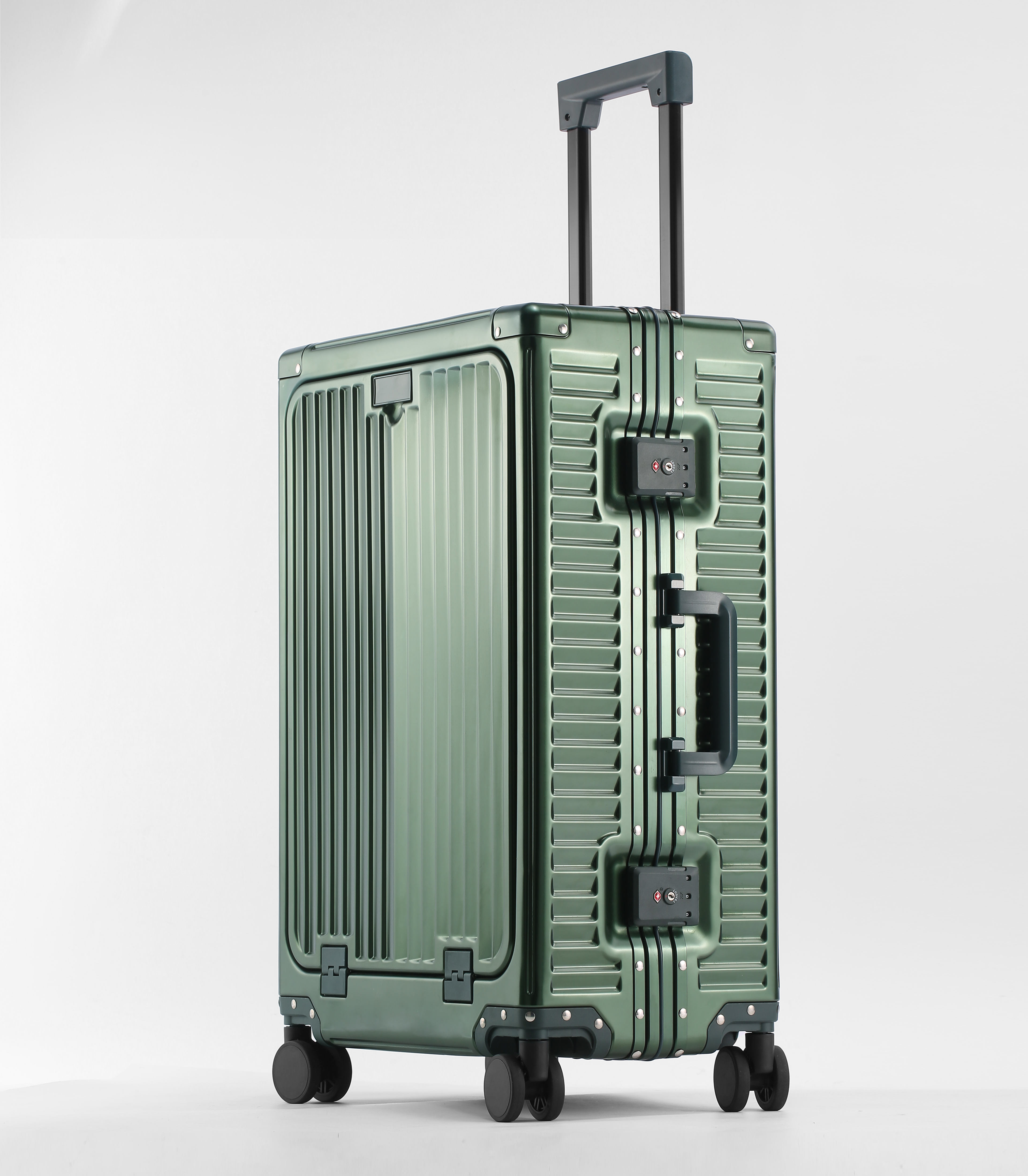
In today's competitive business environment, security concerns have transformed how organizations approach travel equipment procurement, particularly when selecting a suitcase for their traveling workforce. Companies across industries recognize that a compromised suitcase can expose sensitive documents, electronic devices, and proprietary information to theft or unauthorized access, making security features a non-negotiable requirement rather than an optional luxury.
The shift toward security-conscious travel gear reflects broader organizational risk management strategies, where protecting intellectual property and maintaining compliance requirements drive purchasing decisions. Modern businesses understand that investing in a secure suitcase represents a proactive approach to safeguarding corporate assets, reducing liability exposure, and ensuring business continuity during critical travel operations.
Financial Risk Mitigation Through Secure Travel Equipment
Direct Cost Impact of Compromised Business Travel
Business travel security breaches carry substantial financial implications that extend far beyond the immediate replacement cost of a stolen suitcase. Organizations face potential losses from compromised client data, interrupted project timelines, and emergency replacement of critical equipment or documents. Insurance claims processing can take weeks or months, during which business operations may suffer significant disruptions.
The average cost of a data breach involving business travel incidents ranges from thousands to millions of dollars, depending on the sensitivity of compromised information. Companies have learned that investing in a high-quality secure suitcase costs significantly less than dealing with the aftermath of a security incident. This economic reality drives procurement departments to prioritize security features when evaluating travel equipment options.
Risk assessment models used by corporate finance teams consistently demonstrate that security-enhanced luggage provides measurable return on investment through reduced incident rates and lower overall travel-related losses. The mathematical equation becomes clear when organizations calculate potential exposure costs against the premium paid for a secure suitcase with advanced protection features.
Insurance and Liability Considerations
Corporate insurance policies increasingly include specific clauses regarding travel equipment security standards, with some insurers offering premium discounts for companies that mandate secure luggage for business travel. Insurance carriers recognize that businesses using properly secured travel equipment file fewer claims and experience lower loss severity when incidents do occur.
Legal liability exposure represents another critical factor driving security-focused suitcase selection. Companies handling client data or proprietary information may face regulatory penalties or lawsuit exposure if inadequate security measures contribute to information breaches during travel. A properly secured suitcase demonstrates due diligence in protecting sensitive materials.
Risk management professionals recommend documenting security equipment standards and ensuring all business travelers use approved luggage that meets established security criteria. This documentation provides legal protection and demonstrates organizational commitment to maintaining appropriate security measures throughout business operations.
Protecting Intellectual Property and Sensitive Information
Document Security in Mobile Work Environments
Business travelers routinely carry confidential documents, contracts, financial reports, and strategic planning materials that represent significant competitive advantages for their organizations. A standard suitcase offers minimal protection against determined thieves or corporate espionage attempts, while security-enhanced luggage provides multiple barriers to unauthorized access.
Modern business environments require executives and project managers to maintain access to sensitive information while traveling, making document security a critical operational requirement. Organizations invest in secure luggage solutions that include tamper-evident features, reinforced locking mechanisms, and tracking capabilities to ensure document integrity throughout travel periods.
The rise of remote work and distributed teams has increased the volume of sensitive materials being transported via personal luggage, amplifying the importance of choosing a suitcase with appropriate security features. Companies recognize that protecting intellectual property requires consistent security measures across all touchpoints, including travel equipment.
Electronic Device and Data Protection
Business travelers carry laptops, tablets, smartphones, and portable storage devices containing valuable corporate data, customer information, and proprietary software. A compromised suitcase can expose these devices to theft, data extraction, or malicious tampering that could compromise entire organizational networks.
Advanced security features in business-grade luggage include specialized compartments for electronic devices, shock-resistant construction, and integrated cable management systems that reduce tampering opportunities. These features protect both the physical devices and the sensitive data they contain throughout extended travel periods.
Cybersecurity protocols increasingly extend to physical security measures, with IT departments specifying luggage security requirements as part of comprehensive data protection strategies. Organizations understand that a secure suitcase represents the first line of defense for mobile computing assets and critical business information.
Compliance and Regulatory Requirements
Industry-Specific Security Standards
Regulated industries such as healthcare, finance, defense contracting, and legal services face specific requirements for protecting sensitive information during transport. These industries mandate security measures that extend to travel equipment, making a properly secured suitcase a compliance necessity rather than a preference.
Healthcare organizations must comply with HIPAA regulations when transporting patient information, while financial institutions face similar requirements under various banking regulations. Defense contractors and government agencies have even more stringent security requirements that influence every aspect of business travel, including luggage selection criteria.
Audit teams regularly review travel security protocols as part of compliance assessments, examining whether organizations maintain appropriate standards for protecting sensitive materials during transport. A security-enhanced suitcase provides documented evidence of organizational commitment to meeting regulatory requirements.
International Travel and Customs Considerations
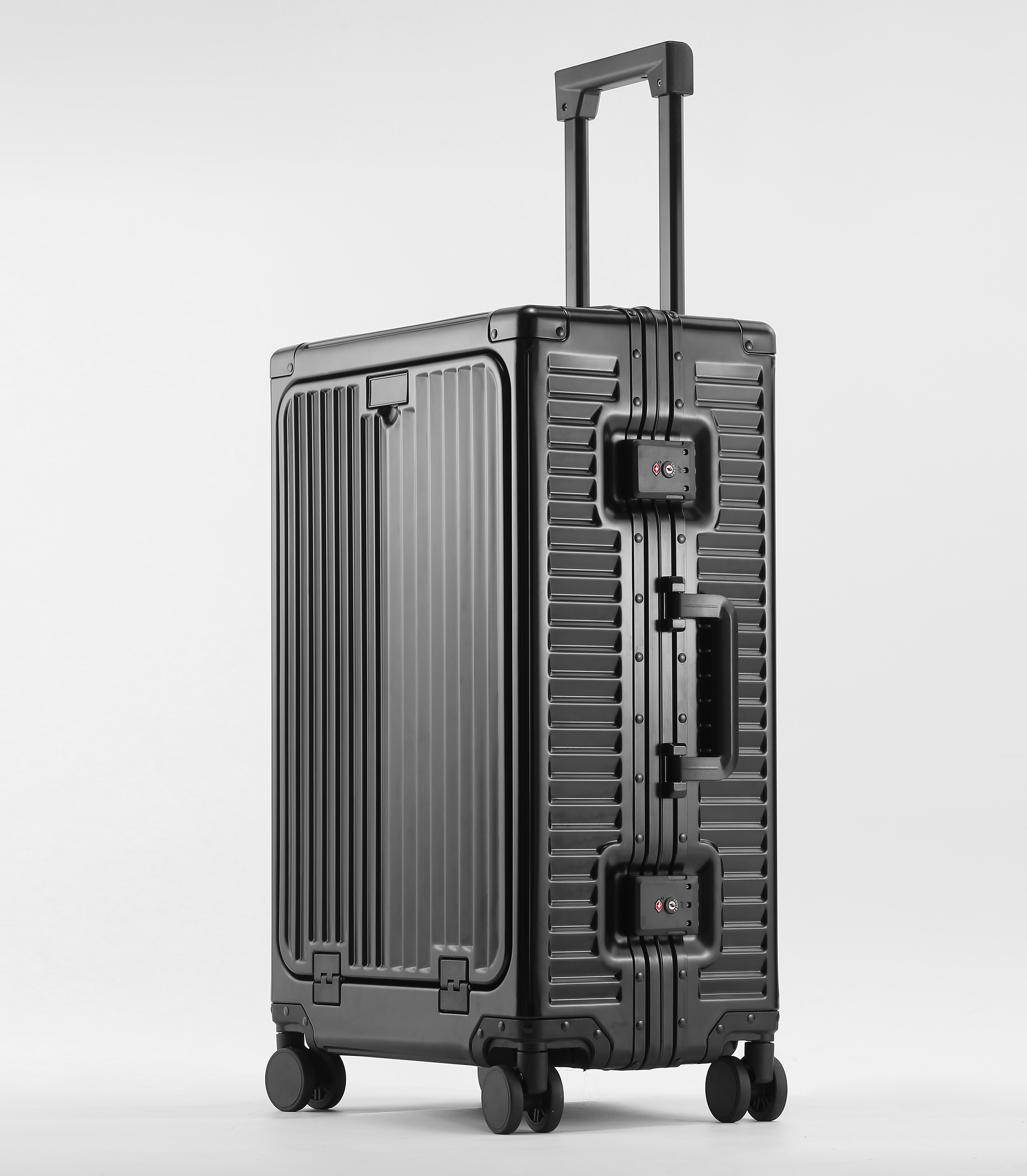
International business travel introduces additional security challenges related to customs inspections, border security requirements, and varying legal frameworks across different jurisdictions. A high-quality secure suitcase helps organizations maintain control over sensitive materials while complying with international travel regulations.
Customs authorities appreciate travelers using organized, secure luggage that facilitates efficient inspections while maintaining document integrity. Professional-grade security features demonstrate respect for international security protocols and reduce the likelihood of extended delays or additional scrutiny during border crossings.
Global corporations establish standardized luggage security requirements that ensure consistent protection levels regardless of travel destination, helping maintain compliance across multiple regulatory environments. This standardization simplifies procurement processes while ensuring adequate security coverage for all business travel scenarios.
Employee Safety and Corporate Responsibility
Personal Security for Business Travelers
Organizations have ethical and legal responsibilities to protect employee safety during business travel, which extends to providing appropriate security equipment including reliable luggage. A secure suitcase reduces the likelihood that travelers will become targets for theft or other security incidents that could compromise personal safety.
Business travelers carrying valuable equipment or documents in unsecured luggage may inadvertently signal their value as potential targets to criminal elements. Security-enhanced luggage helps maintain a lower profile while providing practical protection against opportunistic theft attempts in airports, hotels, and other travel environments.
Employee assistance programs increasingly include travel security training that emphasizes the importance of using appropriate luggage with adequate security features. Companies recognize that investing in secure travel equipment demonstrates commitment to employee welfare and reduces organizational liability for travel-related security incidents.
Brand Reputation and Professional Image
Business travelers represent their organizations in professional settings where appearance and preparation reflect corporate competence and attention to detail. A high-quality, secure suitcase contributes to professional image while providing practical security benefits that support business objectives.
Security incidents involving business travelers can damage organizational reputation and client relationships, particularly when sensitive client information or proprietary materials are compromised. Investing in appropriate travel security equipment helps prevent incidents that could harm long-term business relationships and market reputation.
Professional service firms understand that clients expect appropriate security measures for protecting confidential information, making secure luggage selection a visible demonstration of organizational commitment to maintaining professional standards. A well-designed secure suitcase signals competence and reliability to clients and business partners.
Technology Integration and Modern Security Features
Smart Lock Systems and Access Control
Contemporary business luggage incorporates advanced locking technologies including biometric scanners, digital combination locks, and smartphone-integrated access control systems that provide superior security compared to traditional mechanical locks. These systems create detailed access logs that help organizations track security incidents and maintain accountability for sensitive materials.
GPS tracking capabilities built into modern secure luggage allow organizations to monitor the location of valuable equipment and documents throughout travel periods. This technology provides peace of mind for security managers while offering practical recovery assistance if luggage becomes separated from travelers during transit.
Integration with corporate security systems allows IT departments to monitor and manage travel equipment remotely, receiving alerts if unauthorized access attempts occur or if a suitcase moves outside expected parameters. These technological capabilities transform luggage from passive storage into active security tools.
Durability and Long-Term Protection
Business-grade secure luggage incorporates materials and construction techniques designed to withstand aggressive handling while maintaining security integrity over extended use periods. Organizations recognize that durable construction reduces replacement costs while ensuring consistent protection for valuable contents.
Advanced materials such as aluminum alloys, ballistic nylon, and reinforced polycarbonate provide superior protection against impact damage, weather exposure, and tampering attempts compared to standard consumer luggage options. These materials justify higher initial costs through extended service life and superior protection capabilities.
Quality construction features including reinforced corners, tamper-resistant zippers, and impact-resistant shells ensure that a secure suitcase maintains protective capabilities throughout demanding business travel schedules. Durability testing standards help organizations select luggage that will provide reliable service across multiple years of intensive use.
FAQ
What specific security features should businesses look for when selecting employee travel luggage?
Businesses should prioritize luggage with TSA-approved locking mechanisms, tamper-evident features, reinforced construction materials, and compartmentalized storage options. Additional valuable features include GPS tracking capabilities, biometric access controls, and shock-resistant padding for electronic devices. The ideal business suitcase combines multiple security layers to provide comprehensive protection for valuable contents.
How do secure luggage requirements differ between domestic and international business travel?
International business travel typically requires enhanced security features to comply with varying customs regulations and security protocols across different countries. Businesses should select luggage with internationally recognized security certifications, clear organizational compartments for efficient inspections, and materials that meet international transport standards. Domestic travel may have less stringent requirements but still benefits from consistent security standards.
Can organizations justify the higher cost of security-enhanced luggage for business travel?
The cost of security-enhanced luggage is easily justified when compared to potential losses from compromised business travel. Organizations face significant financial exposure from stolen intellectual property, interrupted business operations, emergency replacement costs, and potential regulatory penalties. A quality secure suitcase provides measurable risk reduction and typically pays for itself through prevented incidents and reduced insurance claims.
What maintenance and replacement considerations apply to business security luggage?
Business security luggage requires regular maintenance including lock mechanism testing, inspection of security features, and replacement of worn components to ensure continued protection effectiveness. Organizations should establish replacement schedules based on usage frequency and maintain backup inventory for critical travelers. Regular security audits help identify when luggage no longer meets organizational security standards and requires upgrading or replacement.
Table of Contents
- Financial Risk Mitigation Through Secure Travel Equipment
- Protecting Intellectual Property and Sensitive Information
- Compliance and Regulatory Requirements
- Employee Safety and Corporate Responsibility
- Technology Integration and Modern Security Features
-
FAQ
- What specific security features should businesses look for when selecting employee travel luggage?
- How do secure luggage requirements differ between domestic and international business travel?
- Can organizations justify the higher cost of security-enhanced luggage for business travel?
- What maintenance and replacement considerations apply to business security luggage?