
 EN
EN
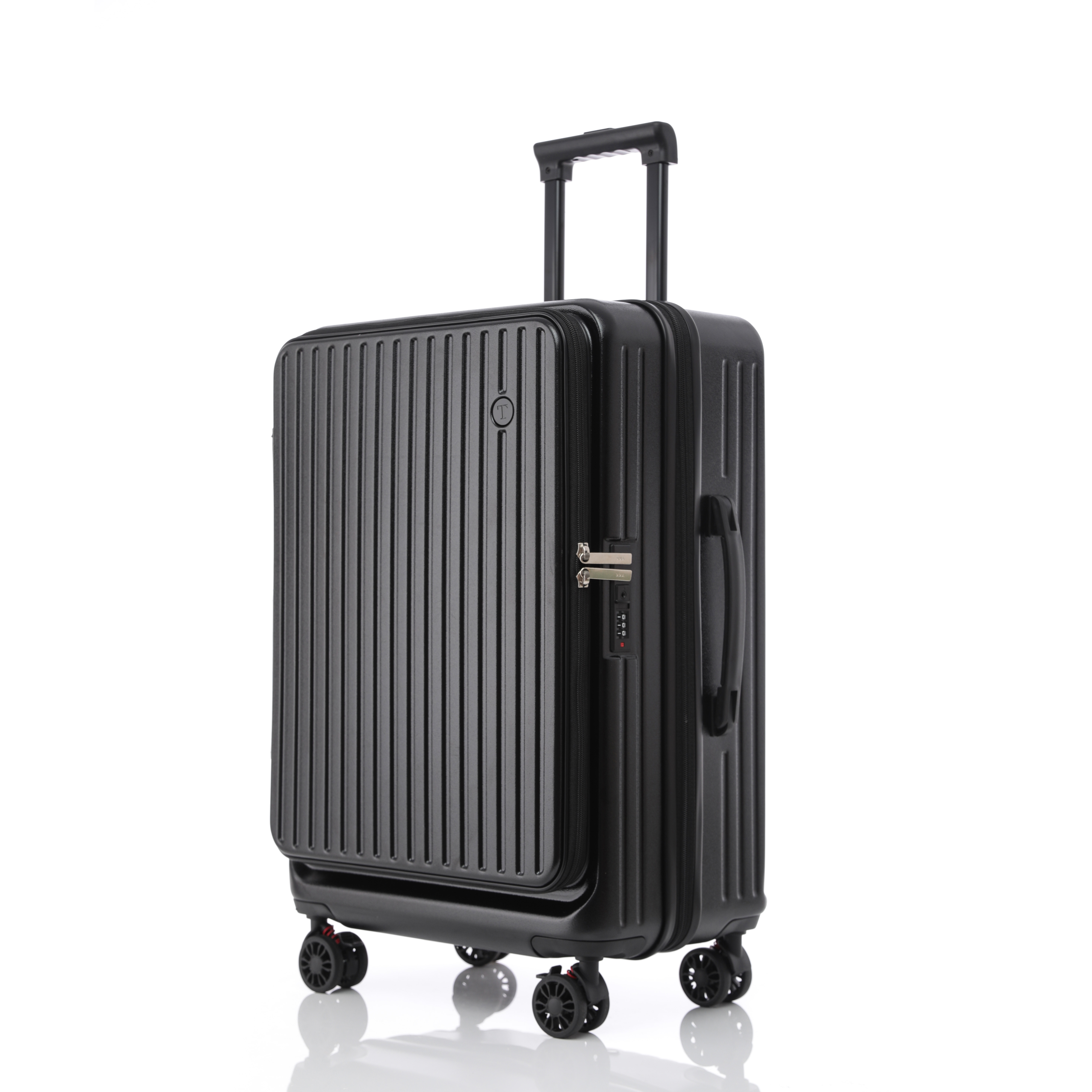
Selecting the right travel case is essential for safe and compliant international air travel. A properly chosen travel case must meet strict international safety codes enforced by aviation authorities worldwide, protecting your belongings while ensuring you pass through airport security without delays. Understanding the regulatory requirements and key features that define a compliant travel case empowers you to make an informed purchase decision that balances protection, compliance, and convenience.
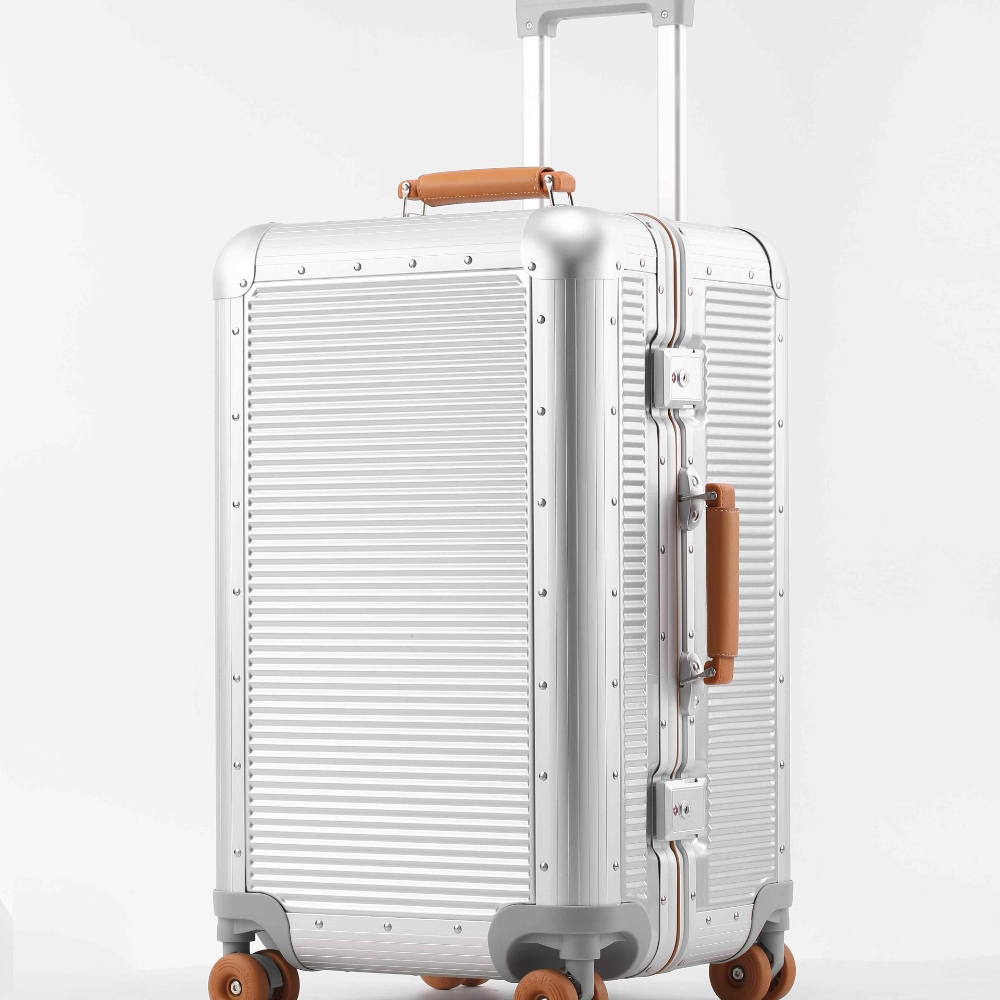
International aviation regulations define specific standards that every travel case must satisfy before being allowed aboard aircraft. These regulations focus on material durability, locking mechanisms, weight distribution, and overall structural integrity. When you choose a travel case aligned with these codes, you avoid confiscation at security checkpoints and ensure your luggage survives the rigorous handling processes of modern air travel.
Understanding International Safety Codes for Travel Cases
TSA Lock Requirements and Travel Case Standards
The Transportation Security Administration (TSA) mandates that any travel case intended for U.S. air travel must feature an approved locking mechanism. A compliant travel case should include either a TSA-approved lock or be designed to accept one. This requirement exists because TSA screeners need the ability to inspect your travel case without damaging it. When selecting a travel case, verify that it comes equipped with a recognized TSA lock that displays the red diamond logo, confirming compliance with federal security standards.
Beyond TSA requirements, many international destinations enforce additional regulations that your travel case must satisfy. Airlines operating across Europe, Asia, and other regions often reference IATA (International Air Transport Association) guidelines when assessing whether a travel case meets safety standards. These guidelines address material composition, structural durability, and locking mechanisms specific to each region. Before purchasing a travel case, research the specific codes relevant to your destination country to ensure full compliance.
Material Durability and Build Quality Standards
International safety codes for travel cases emphasize robust material composition that resists impact, pressure, and environmental stress during transport. A quality travel case should feature durable materials like polycarbonate, aluminum frames, or premium ABS plastic that meet international durability benchmarks. These materials ensure your travel case protects contents during baggage handling while maintaining structural integrity throughout multiple flights and transit periods.
When evaluating a travel case, examine the frame construction closely. Premium travel case designs incorporate reinforced aluminum frames combined with impact-resistant shells that exceed standard international requirements. A well-constructed travel case with quality materials demonstrates compliance with international safety codes and provides long-term durability that justifies your investment in a reliable luggage solution.
Key Features That Ensure Travel Case Compliance
Locking Mechanisms and Security Hardware
The locking system is critical when choosing a travel case that meets international safety codes. Your travel case must feature TSA-approved locks that allow authorized personnel to open and inspect contents without breaking the lock mechanism. Additionally, many international airports require that a travel case remain lockable during transit to prevent unauthorized access. The ideal travel case combines TSA compliance with dual locks positioned at opposing ends for balanced security protection.
When purchasing a travel case, verify the lock specifications match your primary travel destinations. International routes may require specific lock types recognized by local customs and aviation authorities. A premium travel case will clearly document which international standards its locking hardware meets, eliminating confusion during airport inspections. Brands that invest in quality lock mechanisms demonstrate commitment to producing travel case solutions that satisfy regulatory requirements across multiple regions.
Size, Weight Distribution, and Structural Design
International safety codes impose strict dimensional and weight specifications that directly influence your travel case selection process. The standard carry-on dimensions for most international carriers limit your travel case to approximately 22 x 14 x 9 inches, while checked baggage dimensions typically allow up to 32 x 20 x 14 inches. A compliant travel case must fit within these parameters to avoid excess baggage fees or rejection at check-in counters.
Weight distribution represents another crucial compliance factor for a quality travel case. International regulations enforce baggage weight limits that typically range from 44 to 50 pounds for checked luggage. The structural design of your travel case should incorporate reinforced wheels, handles, and corner protectors that distribute weight evenly and prevent structural failure during transport. An travel case with proper weight distribution ensures your belongings remain secure and protected throughout your journey.
Regulatory Compliance Across Different Travel Destinations
Region-Specific Travel Case Standards and Requirements
Different regions enforce distinct regulations that influence how you should choose your travel case. European Union standards for travel cases emphasize specific material testing and impact resistance protocols that exceed North American benchmarks. When planning European travel, your travel case should display certification marks confirming compliance with European safety directives. Asian markets, particularly Japan and South Korea, impose rigorous durability standards that evaluate travel case performance under extreme handling conditions.
Middle Eastern and African destinations often reference IATA guidelines exclusively, making these standards essential when selecting a travel case for travel in these regions. By researching destination-specific regulations before purchasing your travel case, you eliminate the risk of confiscation or travel delays. Professional travelers maintain multiple travel case options to ensure compliance regardless of their destination, recognizing that this investment protects both their belongings and their travel schedule.
Documentation and Certification Verification
When evaluating a travel case, demand clear documentation proving compliance with relevant international safety codes. Reputable manufacturers provide certification documentation, material composition details, and safety testing reports for their travel case products. This documentation proves your travel case meets TSA, IATA, and region-specific requirements, providing confidence during airport inspections.
Before finalizing your travel case purchase, request the seller provide complete certification information. A transparent supplier will readily share compliance documentation, demonstrating that their travel case satisfies international safety codes. This verification step prevents purchasing travel case products that carry hidden compliance risks or fail to meet standards required at your destination.
FAQ
What makes a travel case TSA compliant?
A TSA-compliant travel case features an approved locking mechanism that TSA screeners can open using universal keys without damaging the case. Your travel case must display the red diamond logo on the lock, confirming TSA authorization. Additionally, the travel case materials must withstand security inspection protocols, and the overall design should not present security concerns to aviation authorities.
Can I use any travel case for international flights?
Not all travel cases meet international safety codes required by different countries and airlines. Before purchasing a travel case, verify its compliance with IATA standards and the specific regulations of your destination country. Some nations impose additional requirements beyond TSA standards, so confirming your travel case meets these codes prevents complications at airport checkpoints. Checking your airline's luggage policy ensures your travel case satisfies their specific safety requirements.
How do I verify my travel case meets international safety codes?
Check the manufacturer's documentation and certification labels on your travel case to confirm compliance with relevant standards. Reputable brands provide detailed specifications confirming their travel case meets TSA, IATA, and regional requirements. You can also contact the airline servicing your route to request their specific travel case standards, ensuring your purchase aligns with their compliance expectations before your journey begins.