
 EN
EN
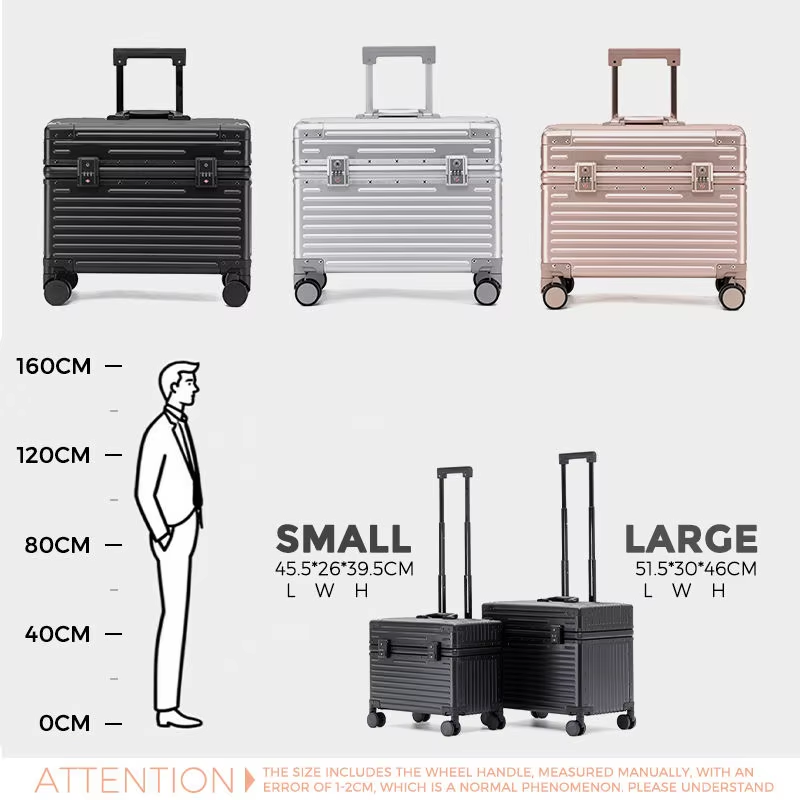
Selecting the right metal suitcases for heavy-duty travel is a critical investment that directly impacts your journey success, cargo safety, and long-term value. Unlike standard soft-shell luggage, metal suitcases offer superior protection, enhanced durability, and professional appearance that business travelers and frequent explorers demand. Understanding the key selection criteria ensures you invest in metal suitcases that withstand airport handling, rough terrain, and repeated use without compromising functionality or style.
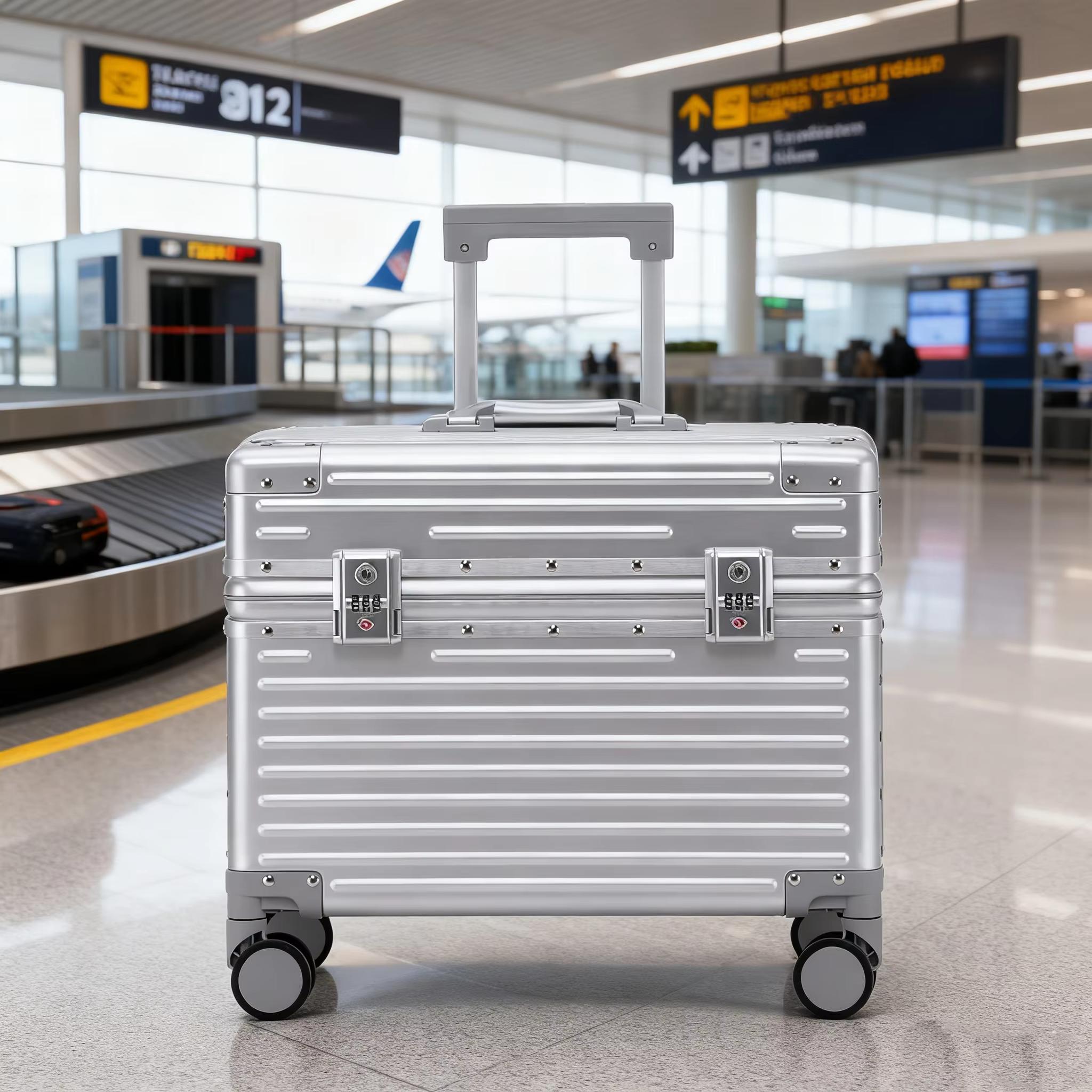
Heavy-duty travel demands more than aesthetic appeal. Metal suitcases engineered for demanding conditions combine material science, structural engineering, and practical design to protect expensive equipment, documents, and personal items during transit. Whether you travel internationally, work on job sites, or require secure storage for valuable inventory, metal suitcases provide the reliability and security that soft luggage cannot match.
Material Selection and Structural Integrity
Understanding Metal Suitcase Construction
The foundation of quality metal suitcases lies in material choice and frame construction. Aluminum alloy, polycarbonate combined with aluminum frames, and steel reinforcement represent the primary construction methods in premium metal suitcases. Aluminum metal suitcases offer lightweight durability, corrosion resistance, and excellent shock absorption compared to heavier steel alternatives. The frame thickness, measured in millimeters, directly affects structural resilience. Metal suitcases with frames exceeding 1.2 millimeters thickness resist deformation from pressure, stacking during transport, and impact from luggage handling equipment.
Corner reinforcement distinguishes superior metal suitcases from basic models. Aluminum corners with protective bumpers absorb impact energy and prevent sharp damage that compromises the suitcase integrity. Metal suitcases featuring full perimeter frame construction distribute stress evenly, whereas metal suitcases with partial frames concentrate pressure at connection points, leading to premature failure. The welding quality between frame components and body panels determines whether metal suitcases maintain structural integrity through hundreds of journey cycles.
Evaluating Weight and Capacity Balance
Selecting metal suitcases requires balancing durability with practical portability. Heavy metal suitcases provide maximum protection but reduce usable capacity when considering airline weight restrictions. Professional metal suitcases balance material thickness with advanced construction techniques to minimize dead weight. A quality metal suitcase in 28-inch size should weigh between 8 to 11 pounds when empty, allowing substantial cargo space without exceeding standard baggage limits. Metal suitcases designed for heavy-duty use typically feature internal volume between 95 to 115 liters, accommodating two weeks of business travel or professional equipment.
Capacity specifications for metal suitcases must account for expandable compartments and organizational features. Metal suitcases with dividers, compression straps, and internal pockets maximize organization without requiring additional luggage. Weight distribution matters significantly when selecting metal suitcases; uneven loading creates structural stress that accelerates frame fatigue. Look for metal suitcases with reinforced floor panels that prevent bottom deformation when fully loaded, a critical feature for heavy-duty applications.
Security Features and Access Control
Locking Mechanisms and Anti-Theft Protection
Security represents a paramount consideration when selecting metal suitcases for valuable cargo transport. TSA-approved combination locks come standard on premium metal suitcases, allowing security personnel access while protecting against unauthorized opening during transit. Advanced metal suitcases incorporate password-protected digital locks that provide audit trails and multiple user access levels, ideal for corporate travel involving multiple team members. Biometric metal suitcases with fingerprint recognition offer cutting-edge security for high-value equipment transport, though they require battery maintenance during extended travel periods.
360-degree perimeter locking on metal suitcases ensures complete closure integrity. Metal suitcases with dual-lock systems at lid and base prevent forced separation even under extreme pressure. The lock mechanism attachment point matters critically; metal suitcases with locks welded to reinforced aluminum frames resist prying attacks better than metal suitcases with bolt-mounted locks. Anti-theft cable loops integrated into metal suitcases allow securing the unit to fixed objects during layovers or temporary storage, adding an extra security layer beyond internal locking.
Internal Organization and Damage Prevention
Protecting cargo within metal suitcases prevents shifting damage during transport. Foam inserts, foam padding, and compression straps create compartmented storage that isolates expensive items from impact forces. Metal suitcases designed for equipment often include custom molded inserts that conform to specific item shapes, preventing movement and vibration damage. Selecting metal suitcases with removable, washable interior linings facilitates cleaning and maintenance while providing flexibility for different cargo types during various journeys.
Ventilation considerations for metal suitcases prevent moisture accumulation that corrodes sensitive equipment or creates mold growth. Metal suitcases with passive ventilation ports allow air circulation without compromising security seals. Some premium metal suitcases incorporate silica gel compartments that absorb internal humidity, extending protection duration for electronics and delicate materials during extended storage periods.
Maneuverability and Practical Usability
Wheel Systems and Handle Design
Selecting metal suitcases with superior wheel systems dramatically improves travel experience and reduces physical strain during airport navigation. Four-spinner wheel configurations on metal suitcases provide 360-degree rotation capability, enabling smooth movement through crowded terminals and tight spaces. Metal suitcases with double-bearing wheels withstand repeated rolling better than single-bearing designs, maintaining smooth operation through thousands of airport passes. Wheel material composition affects performance; thermoplastic urethane wheels on metal suitcases resist cracking and wear better than traditional rubber, extending overall suitcase lifespan.
Telescoping handle mechanisms on metal suitcases require multiple height positions to accommodate different user statures and wearing positions. Ergonomic handle grips on metal suitcases reduce hand fatigue during extended carrying, critical for business travelers managing multiple tasks at airport gates. Metal suitcases featuring soft-grip handles with shock-absorbing materials provide superior comfort compared to standard rigid handles, particularly important for repetitive heavy-duty use scenarios.
Size Compliance and Portability Considerations
Selecting metal suitcases requires understanding airline restrictions and gate-checking standards. Twenty-inch metal suitcases fit standard overhead bin dimensions across most commercial airlines, while 24-inch and 28-inch metal suitcases require gate-checking on many routes. Metal suitcases meeting International Air Transport Association standards guarantee compatibility with major airline fleets worldwide. Professional travelers often maintain multiple metal suitcase sizes, selecting specific units based on journey duration and cargo requirements rather than treating metal suitcases as universal solutions.
Corner protectors and edge guards on metal suitcases prevent damage to walls, doorframes, and furniture during loading and storage. Metal suitcases designed for vehicle transport feature reinforced base panels that resist puncture from road debris or rough loading surfaces. Heavy-duty metal suitcases intended for job site use incorporate rubberized base pads that distribute weight evenly and prevent sliding during transport.
FAQ
What material offers the best durability for metal suitcases?
Aluminum alloy represents the optimal material for metal suitcases balancing durability, weight, and corrosion resistance. Polycarbonate exterior shells combined with aluminum frame reinforcement create metal suitcases that resist impact while maintaining lighter weight for travel compliance. Steel-reinforced metal suitcases offer maximum durability for stationary storage but exceed airline weight limits for most travelers. Professional metal suitcases typically use advanced aluminum composites that provide structural rigidity comparable to steel while reducing weight by 30 to 40 percent compared to traditional metal suitcases.
How do I determine appropriate size when selecting metal suitcases?
Size selection for metal suitcases depends on journey duration, cargo type, and airline restrictions. Carry-on sized metal suitcases measure approximately 20 inches and fit overhead compartments, ideal for business trips under three days. Checked metal suitcases typically measure 24 to 28 inches, providing 90 to 115 liters of storage for extended travel. Heavy-duty applications often require specialized metal suitcases with external measurement accuracy; measure your specific airline dimensions before purchasing metal suitcases for frequent routes. Consider expandable metal suitcases that increase capacity by 10 to 20 percent for unexpected cargo needs without purchasing additional metal suitcases.
What security features matter most in metal suitcases for valuable cargo?
TSA-approved locks provide essential baseline security for metal suitcases used in regular air travel. Metal suitcases with reinforced locking points prevent forceful separation attempts better than standard bolt attachments. Password-protected combination locks on metal suitcases prevent accidental opening while allowing authorized access without key management concerns. For high-value cargo, metal suitcases with biometric locks, GPS tracking integration, and full-perimeter locking systems provide comprehensive protection across airport environments and transit facilities. Professional valuables transporters often select metal suitcases with cable anchoring systems that secure the suitcase to fixed vehicle points during layovers and storage periods.