
 EN
EN
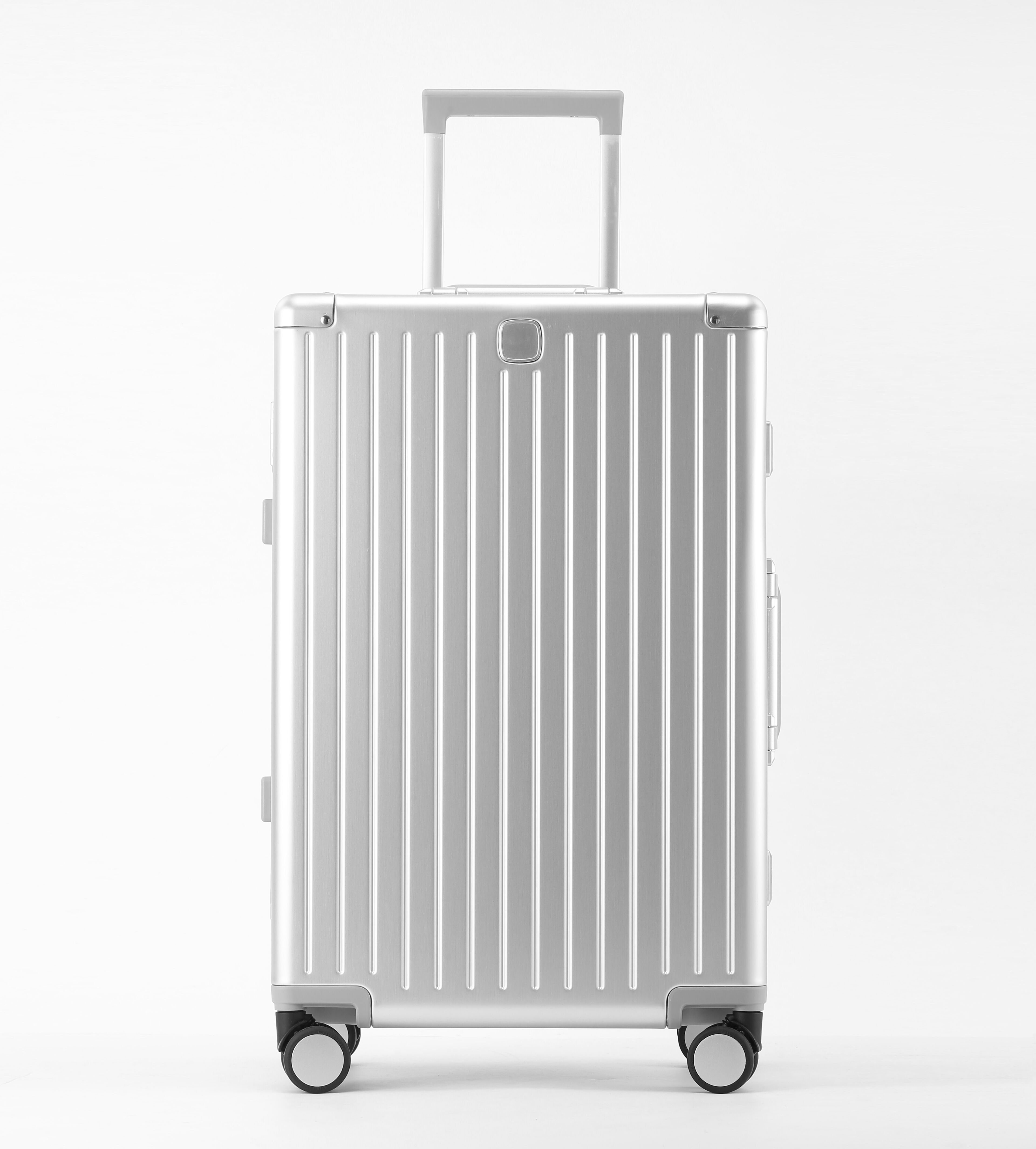
Professional commuters across industries have consistently chosen suitcase luggage as their preferred travel companion for decades, and this preference stems from a combination of practical design elements and professional requirements. The structured nature of suitcase luggage provides the organizational framework that business travelers need to maintain their professional appearance while managing essential work materials during transit.
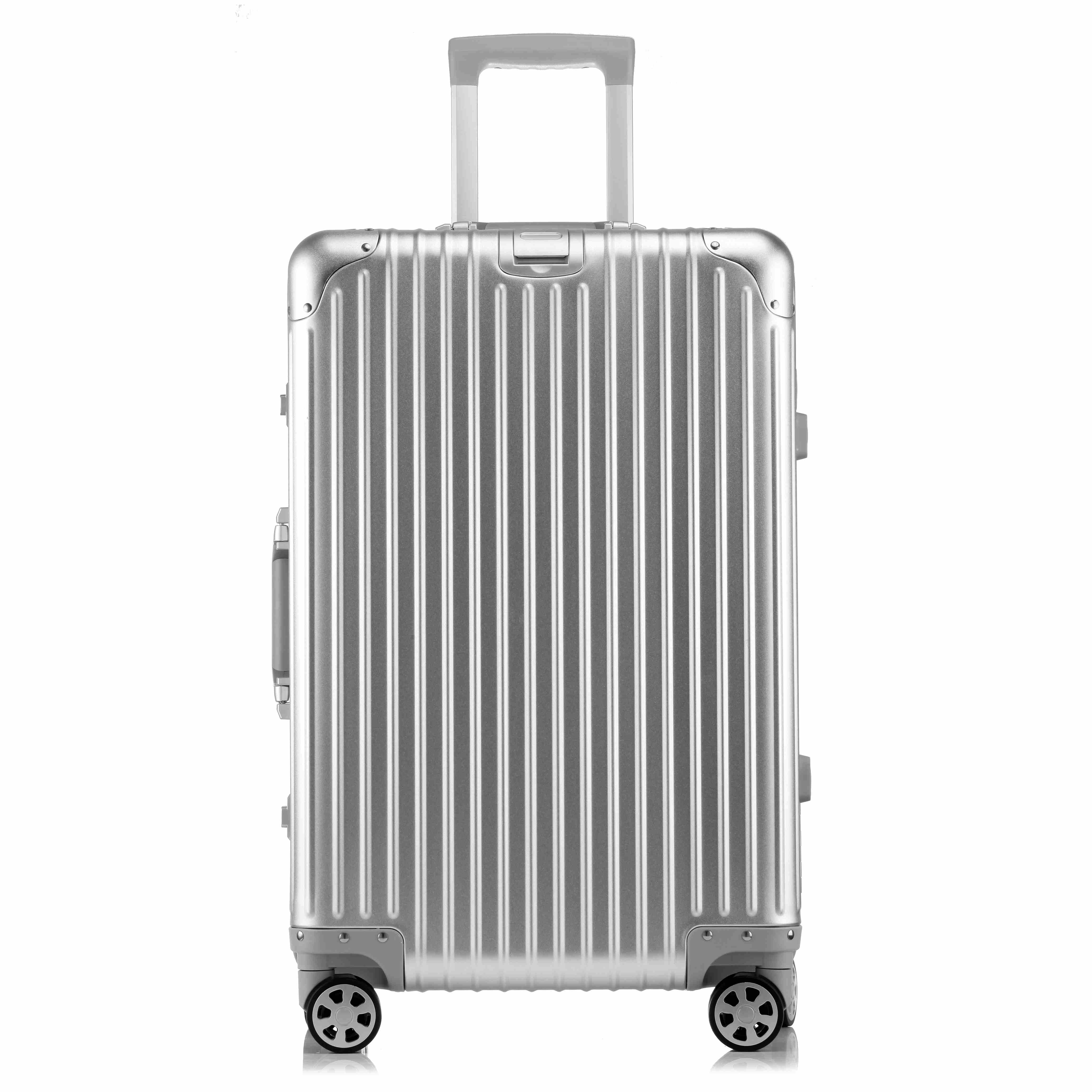
The dominance of suitcase luggage in professional settings represents more than just convention - it reflects the evolution of business travel demands and the specific challenges faced by working professionals who must balance mobility with presentation standards. Understanding why this particular luggage format has become the gold standard reveals important insights about professional travel efficiency and workplace expectations.
Professional Presentation Requirements Drive Luggage Selection
Wrinkle Prevention and Garment Protection
Professional commuters prioritize suitcase luggage because its flat, horizontal design naturally accommodates business attire without compromising garment integrity. The structured compartments allow for proper folding techniques that minimize wrinkles in dress shirts, suits, and formal wear. Unlike soft-sided bags that compress clothing unpredictably, suitcase luggage maintains consistent internal dimensions that protect professional wardrobe investments.
The rigid shell construction of quality suitcase luggage creates a protective barrier against external pressure during transport and storage. This protection becomes crucial when luggage is stacked in overhead compartments or cargo holds, where softer bags might compress and wrinkle contents. Professional commuters understand that arriving with properly pressed clothing eliminates the need for emergency pressing services or the embarrassment of wrinkled attire during important meetings.
Organizational Systems for Business Essentials
The internal layout of suitcase luggage reflects decades of refinement based on professional traveler feedback. Dedicated compartments for laptops, documents, and electronic accessories ensure that business essentials remain secure and easily accessible. The structured design prevents the shifting and tangling that commonly occurs with less organized bag styles, saving valuable time during security checks and hotel room setup.
Professional commuters appreciate the predictable packing patterns that suitcase luggage enables, allowing them to develop efficient routines for accessing specific items without disrupting the entire contents. This systematic approach reduces stress and maintains professional composure during travel transitions.
Mobility and Transportation Efficiency Factors
Wheeled Maneuverability in Professional Environments
The four-wheel spinner design standard in modern suitcase luggage addresses the specific mobility challenges faced by professional commuters navigating airports, hotels, and office buildings. The upright rolling capability allows professionals to maintain proper posture while moving through crowded terminals, projecting confidence and professionalism rather than the strained appearance associated with dragging or carrying heavy bags.
Professional environments often feature polished floors, escalators, and narrow corridors where precise luggage control becomes essential. Suitcase luggage with quality wheel systems glides smoothly across these surfaces without the erratic movement patterns that can embarrass professionals in formal settings. The ability to roll luggage beside rather than behind the traveler also improves spatial awareness and reduces collision risks in busy professional spaces.
Overhead Compartment Optimization
Airlines design overhead compartments with suitcase luggage dimensions in mind, making this format the most compatible choice for carry-on travel. Professional commuters who travel frequently understand that reliable overhead storage access eliminates baggage claim delays and reduces the risk of lost luggage containing essential work materials. The rectangular shape of suitcase luggage maximizes the use of available overhead space while conforming to standard size restrictions.
The predictable dimensions of suitcase luggage allow professional travelers to develop reliable packing strategies that consistently meet airline requirements. This consistency reduces travel anxiety and ensures that important business trips proceed without luggage-related complications that could impact professional obligations or client meetings.
Security and Professional Trust Considerations
Locking Mechanisms and Document Protection
Professional commuters often transport confidential documents, proprietary information, and valuable electronic equipment that requires enhanced security measures. Suitcase luggage typically incorporates more sophisticated locking systems than alternative bag styles, including TSA-approved combination locks and integrated security zippers that provide peace of mind during business travel.
The hard-shell construction of quality suitcase luggage creates a more secure barrier against unauthorized access compared to soft bags that can be easily cut or manipulated. Professional travelers understand that protecting client information and company property requires luggage solutions that demonstrate appropriate security consciousness, and suitcase luggage communicates this professional responsibility through its design.
Professional Image and Client Perception
The appearance of suitcase luggage aligns with professional dress codes and corporate image expectations in ways that casual bag styles cannot match. Clients and colleagues form immediate impressions based on luggage choices, and suitcase luggage projects organization, preparedness, and attention to professional standards. This visual communication becomes particularly important in competitive business environments where every detail contributes to professional credibility.
Professional commuters recognize that suitcase luggage serves as an extension of their professional brand, signaling competence and reliability to business contacts. The investment in quality suitcase luggage demonstrates commitment to professional standards and attention to detail that clients and colleagues interpret as indicators of overall business competence.
Durability and Long-Term Professional Investment
Material Construction for Frequent Use
Professional commuters who travel regularly require luggage that withstands constant use without compromising appearance or functionality. Suitcase luggage construction typically emphasizes durable materials like polycarbonate, aluminum, or reinforced ABS plastic that maintain their professional appearance despite frequent handling by airline personnel and transportation through various environments.
The structured design of suitcase luggage distributes stress more evenly across the frame compared to soft bags that concentrate wear points at handles and zippers. This engineering advantage translates into longer service life and better return on investment for professional travelers who depend on reliable luggage for their careers. The ability to maintain a professional appearance over extended use periods justifies the initial investment in quality suitcase luggage.
Maintenance and Professional Standards
Suitcase luggage materials typically resist stains, scratches, and wear patterns better than fabric alternatives, allowing professional commuters to maintain consistent appearance standards throughout the luggage lifecycle. The smooth surfaces of hard-shell suitcase luggage clean easily and resist odor absorption, maintaining the fresh, professional presentation that business travelers require.
Professional environments expect consistent attention to detail, and worn or damaged luggage can undermine professional credibility. Suitcase luggage maintains its structural integrity and visual appeal longer than alternative formats, ensuring that professional commuters continue to project appropriate image standards throughout their investment period.
FAQ
What makes suitcase luggage more professional than other bag types?
Suitcase luggage projects professionalism through its structured appearance, garment protection capabilities, and alignment with business travel expectations. The organized compartments and wrinkle-prevention design help professionals maintain appropriate appearance standards, while the formal aesthetic communicates competence and attention to detail that clients and colleagues associate with professional reliability.
How does suitcase luggage improve travel efficiency for business commuters?
Suitcase luggage enhances travel efficiency through predictable packing systems, reliable wheeled mobility, and consistent airline compatibility. Professional commuters can develop standardized packing routines, navigate airports with confidence, and access overhead storage reliably, reducing travel stress and maintaining focus on business objectives rather than luggage management challenges.
Why do airlines and hotels prefer guests with suitcase luggage?
Airlines and hotels favor suitcase luggage because its standardized dimensions optimize storage space utilization and reduce handling complications. The structured design stacks efficiently in cargo holds and storage areas, while the professional appearance aligns with hospitality industry image standards. This preference often translates into better service and accommodation for travelers using appropriate luggage formats.
Is suitcase luggage worth the investment for occasional business travelers?
Even occasional business travelers benefit from suitcase luggage investment because professional image requirements remain constant regardless of travel frequency. The durability and garment protection features justify the cost for anyone who needs to maintain professional appearance standards during business trips, and the confidence boost from proper luggage often impacts career opportunities and business relationships positively.