
 EN
EN
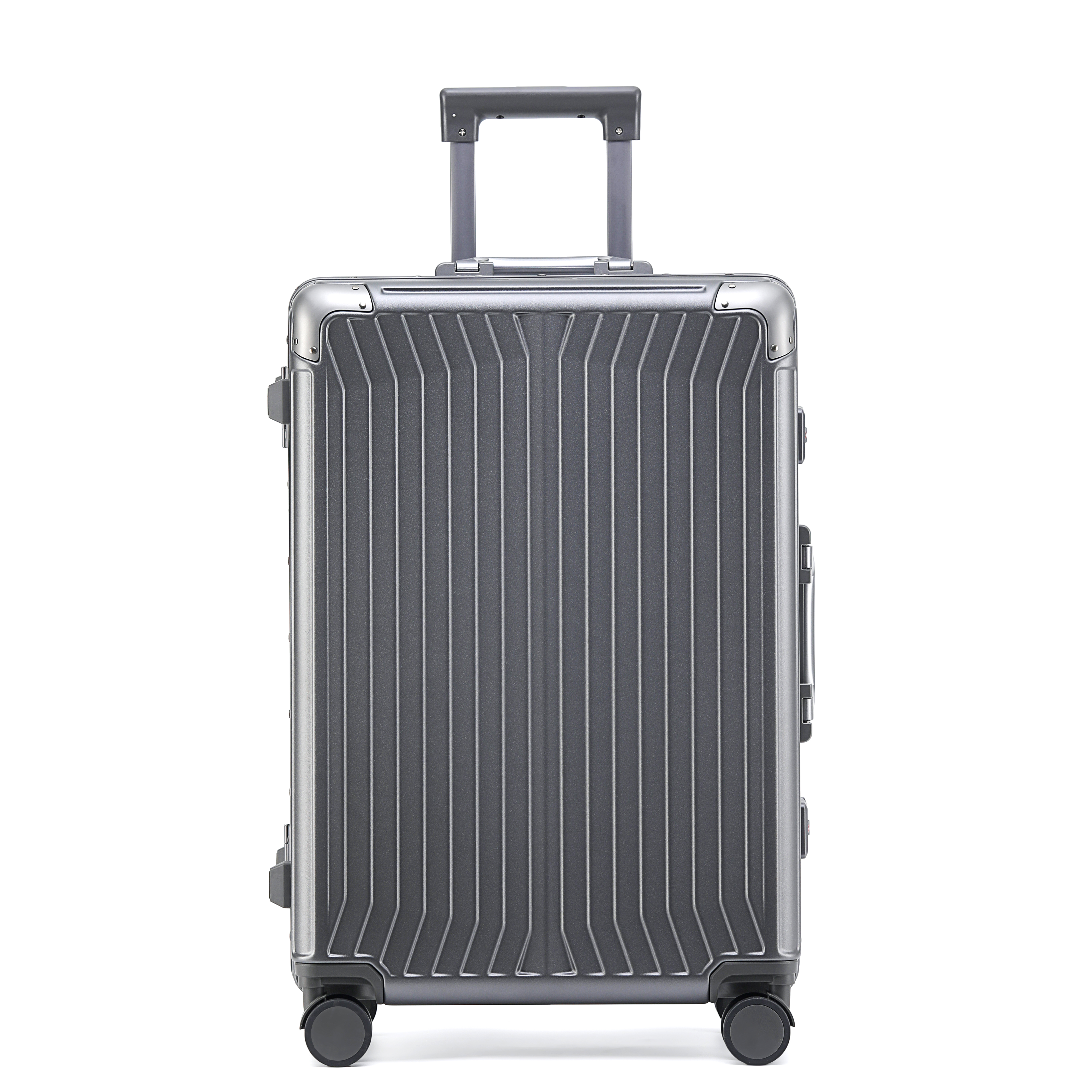
The durability of suitcase luggage directly determines whether your travel investment will last through countless journeys or fail when you need it most. Frequent travelers understand that their suitcase luggage must endure airport baggage handlers, cramped overhead compartments, rough hotel floors, and the constant stress of packing and unpacking. Understanding how quality suitcase luggage achieves this resilience requires examining the engineering principles, material science, and construction techniques that separate reliable travel companions from disposable alternatives.
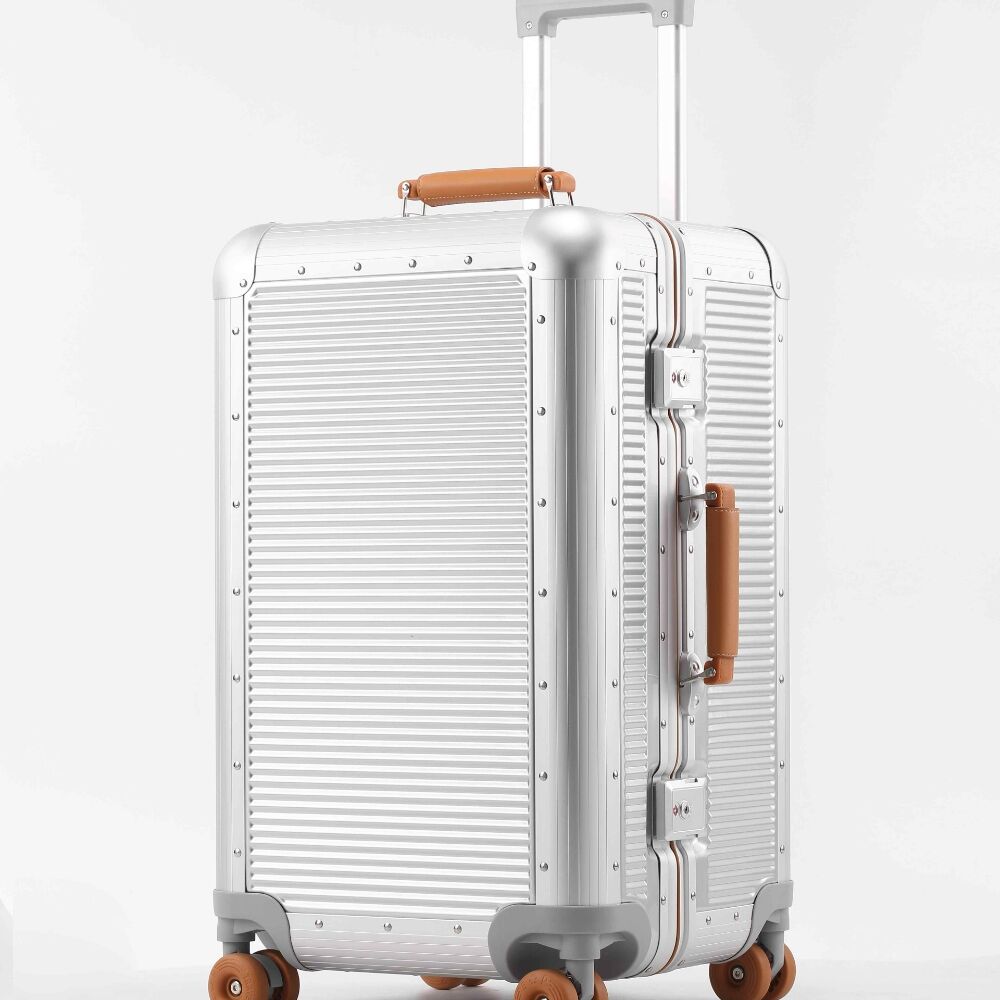
The ability of suitcase luggage to withstand frequent use stems from a complex interplay of material selection, structural design, and manufacturing precision. Modern travelers demand suitcase luggage that can survive the mechanical stresses of transportation systems while maintaining functionality across thousands of miles of travel. This durability challenge has driven luggage manufacturers to develop sophisticated engineering solutions that address every potential failure point from wheels and handles to shell integrity and closure mechanisms.
Material Engineering and Shell Construction
Advanced Shell Materials for Impact Resistance
The shell of durable suitcase luggage relies on materials specifically chosen for their ability to absorb and distribute impact forces. Polycarbonate shells offer exceptional impact resistance because their molecular structure allows controlled deformation without cracking. When suitcase luggage encounters sudden impacts during baggage handling, polycarbonate flexes to absorb energy rather than transferring destructive forces to internal contents or structural components.
Aluminum construction represents another approach to suitcase luggage durability, providing rigid protection through material strength rather than flexibility. Aluminum suitcase luggage shells resist deformation through superior tensile strength, making them ideal for protecting fragile contents during rough handling. The metal construction also provides excellent resistance to punctures and tears that might compromise softer shell materials over extended use periods.
Advanced composite materials in premium suitcase luggage combine multiple material properties to achieve optimal durability characteristics. These engineered composites often incorporate fiber reinforcement within polymer matrices, creating shells that offer both impact absorption and structural rigidity. The layered construction allows suitcase luggage manufacturers to optimize different performance characteristics at various shell depths.
Shell Thickness and Structural Reinforcement
The thickness profile of suitcase luggage shells directly influences their ability to withstand repeated stress cycles. Manufacturers engineer variable thickness distributions that provide maximum protection at high-stress areas while minimizing overall weight. Critical stress points around wheel attachments, handle mounting points, and corner areas receive additional material thickness to prevent failure initiation at these vulnerable locations.
Internal reinforcement structures within suitcase luggage create load distribution networks that prevent concentrated stresses from causing localized failures. These reinforcement ribs and internal frameworks act like skeletal structures, transferring loads from impact points to stronger structural areas. The reinforcement design also prevents shell flexure that could fatigue connection points between different luggage components.
Corner protection systems in quality suitcase luggage extend beyond simple rounded edges to include specialized impact-absorbing structures. These corner reinforcements often feature multi-layer construction with energy-absorbing materials sandwiched between protective outer layers. The sophisticated corner design helps suitcase luggage survive drops and impacts that concentrate enormous forces at these vulnerable points.
Mechanical Component Durability Systems
Wheel Assembly Engineering for Longevity
The wheel systems of suitcase luggage represent critical mechanical components that must function reliably through thousands of rolling cycles across varied surfaces. Quality wheel assemblies incorporate sealed bearing systems that protect internal mechanisms from dirt, moisture, and debris that could cause premature wear. These sealed systems ensure smooth rolling performance even after extended exposure to harsh airport environments and outdoor conditions.
Multi-directional spinner wheels on modern suitcase luggage utilize precision-engineered bearing races that distribute rotational loads evenly across contact surfaces. The bearing design prevents the concentrated wear patterns that cause wheel failure in lower-quality luggage systems. Advanced wheel assemblies also incorporate shock-absorbing elements that cushion impacts when suitcase luggage encounters curbs, stairs, or uneven surfaces during transport.
Wheel attachment mechanisms in durable suitcase luggage employ reinforced mounting systems that prevent loosening or separation under repeated stress. These attachment points often feature multiple fastening methods and load distribution plates that spread attachment stresses across larger shell areas. The robust mounting prevents the wheel separation failures that commonly occur in luggage subjected to frequent use and rough handling.
Handle System Durability and Ergonomics
Telescoping handle systems in quality suitcase luggage incorporate precision-machined tube assemblies that maintain smooth operation through extended use cycles. The telescoping mechanism relies on close manufacturing tolerances that prevent excessive play between moving parts while ensuring reliable extension and retraction. Advanced handle systems also include internal locking mechanisms that prevent accidental collapse during use, protecting both the luggage and user from unexpected failures.
Handle grip materials in durable suitcase luggage utilize specialized compounds that resist wear, tearing, and degradation from hand oils and environmental exposure. These grip materials maintain their texture and comfort characteristics even after thousands of use cycles, preventing the slippery conditions that could lead to handling accidents. Quality grip materials also resist temperature extremes that could cause hardening or softening in different climate conditions.
Load distribution systems within suitcase luggage handle assemblies prevent stress concentrations that could cause structural failures at connection points. These systems often incorporate internal reinforcement structures that spread lifting loads across multiple attachment points rather than concentrating forces at single connection locations. The distributed load approach significantly extends handle system lifespan under heavy use conditions.
Closure and Security System Resilience
Zipper Technology and Stress Management
The zipper systems in durable suitcase luggage employ specialized track designs and slider mechanisms that maintain reliable operation under repeated opening and closing cycles. Quality zippers incorporate self-lubricating materials and precision-fitted components that prevent binding or separation failures common in frequent-use applications. The track geometry also includes stress-relief features that prevent fabric tearing around zipper installations when luggage experiences dimensional changes from packing pressure.
Zipper slider mechanisms in quality suitcase luggage utilize reinforced construction and multiple engagement points that distribute opening forces evenly along the zipper track. These advanced sliders incorporate lock-up features that prevent accidental opening during transport while maintaining smooth operation for intentional access. The slider design also includes wear-resistant materials at contact points to prevent the gradual degradation that causes zipper failure over time.
Fabric reinforcement around zipper installations in soft-sided suitcase luggage creates stress distribution zones that prevent tearing when zippers experience lateral loads during packing or transport. These reinforcement systems often incorporate multiple fabric layers and specialized stitching patterns that maintain integrity even when luggage contents create significant internal pressure against closure systems.
Lock Mechanisms and Hardware Integration
TSA-approved lock systems in modern suitcase luggage incorporate precision-manufactured mechanisms that maintain reliable operation through thousands of locking cycles. These lock systems utilize corrosion-resistant materials and sealed internal mechanisms that prevent environmental contamination from affecting lock function. The lock design also includes multiple security positions and backup engagement systems that ensure reliable closure even if primary mechanisms experience partial wear.
Hardware integration points in durable suitcase luggage employ reinforced attachment systems that prevent loosening or separation of lock mechanisms from luggage shells. These attachment systems often feature backing plates and distributed fastening points that prevent the concentrated stresses that could cause hardware pullout failures. The integration design also accommodates thermal expansion differences between hardware and shell materials to prevent stress-related failures.
Security cable systems in some suitcase luggage designs provide additional theft protection while maintaining the mechanical integrity required for frequent use applications. These cable systems incorporate flexible routing and strain relief features that prevent fatigue failures at connection points. The cable materials resist cutting and abrasion while maintaining flexibility through repeated bending cycles during normal luggage handling.
Environmental Resistance and Longevity Factors
Weather Protection and Material Stability
Environmental resistance in quality suitcase luggage extends beyond simple water resistance to include protection against temperature extremes, UV radiation, and chemical exposure. Shell materials incorporate UV stabilizers that prevent degradation and color fading when luggage experiences extended sunlight exposure during outdoor storage or transport. These protective additives maintain material properties and appearance throughout the luggage lifespan.
Temperature stability in suitcase luggage materials ensures reliable performance across the extreme temperature ranges encountered during air travel and storage. Quality materials maintain their flexibility and strength characteristics from sub-zero cargo hold temperatures to high-temperature ground storage conditions. This temperature stability prevents the brittleness or softening that could lead to unexpected failures during use.
Chemical resistance in suitcase luggage materials protects against degradation from cleaning agents, fuel vapors, and other chemicals commonly encountered in travel environments. The chemical stability ensures that routine cleaning and maintenance procedures do not compromise material properties or structural integrity over time. This resistance also protects against accidental spills or exposure to harsh cleaning chemicals in hotel or transportation environments.
Maintenance Accessibility and Repair Considerations
Maintenance-friendly design in quality suitcase luggage includes accessible service points and replaceable wear components that extend overall luggage lifespan. Wheel assemblies often feature removable designs that allow replacement without shell modification, while handle systems incorporate serviceable internal mechanisms that can be maintained or rebuilt when necessary. This serviceability approach transforms suitcase luggage from disposable items into long-term travel investments.
Component standardization in well-designed suitcase luggage ensures that replacement parts remain available throughout the product lifespan. Manufacturers often utilize common fastener types, standard bearing sizes, and interchangeable components that simplify maintenance and repair procedures. This standardization approach also enables field repairs using commonly available tools and hardware when professional service is unavailable.
Documentation and support systems for quality suitcase luggage provide users with maintenance guidance and troubleshooting resources that extend product lifespan through proper care. Clear maintenance instructions help users identify potential problems before they result in failures, while warranty support ensures that manufacturing defects do not compromise long-term durability expectations.
FAQ
What makes some suitcase luggage more durable than others?
The durability differences in suitcase luggage stem from material quality, construction methods, and component engineering. Premium suitcase luggage uses advanced materials like polycarbonate or aluminum alloys, precision-manufactured wheel bearings, reinforced stress points, and quality control processes that ensure consistent performance. Cheaper alternatives often compromise on material grades, manufacturing tolerances, and component quality to reduce costs.
How often should I expect to replace my suitcase luggage with frequent travel?
Quality suitcase luggage designed for frequent use should last 5-10 years or more with proper care, even under heavy travel schedules. The replacement timeline depends on travel frequency, handling conditions, and maintenance practices. Business travelers using their suitcase luggage weekly may need replacement sooner than occasional vacation travelers, but well-constructed luggage should handle hundreds of trips before showing significant wear.
Can damaged suitcase luggage be repaired economically?
Many types of suitcase luggage damage can be repaired economically, especially for premium luggage with replaceable components. Wheel replacements, handle repairs, and zipper fixes often cost significantly less than new luggage purchases. However, shell damage or structural failures may not be economically repairable, making initial quality selection crucial for long-term value.
What maintenance practices extend suitcase luggage lifespan?
Proper maintenance significantly extends suitcase luggage durability through regular cleaning, lubrication of moving parts, and prompt attention to minor issues. Clean wheels and handle mechanisms regularly, avoid overloading beyond manufacturer specifications, store luggage in climate-controlled environments when possible, and address small problems like loose fasteners before they cause larger failures.