
 EN
EN
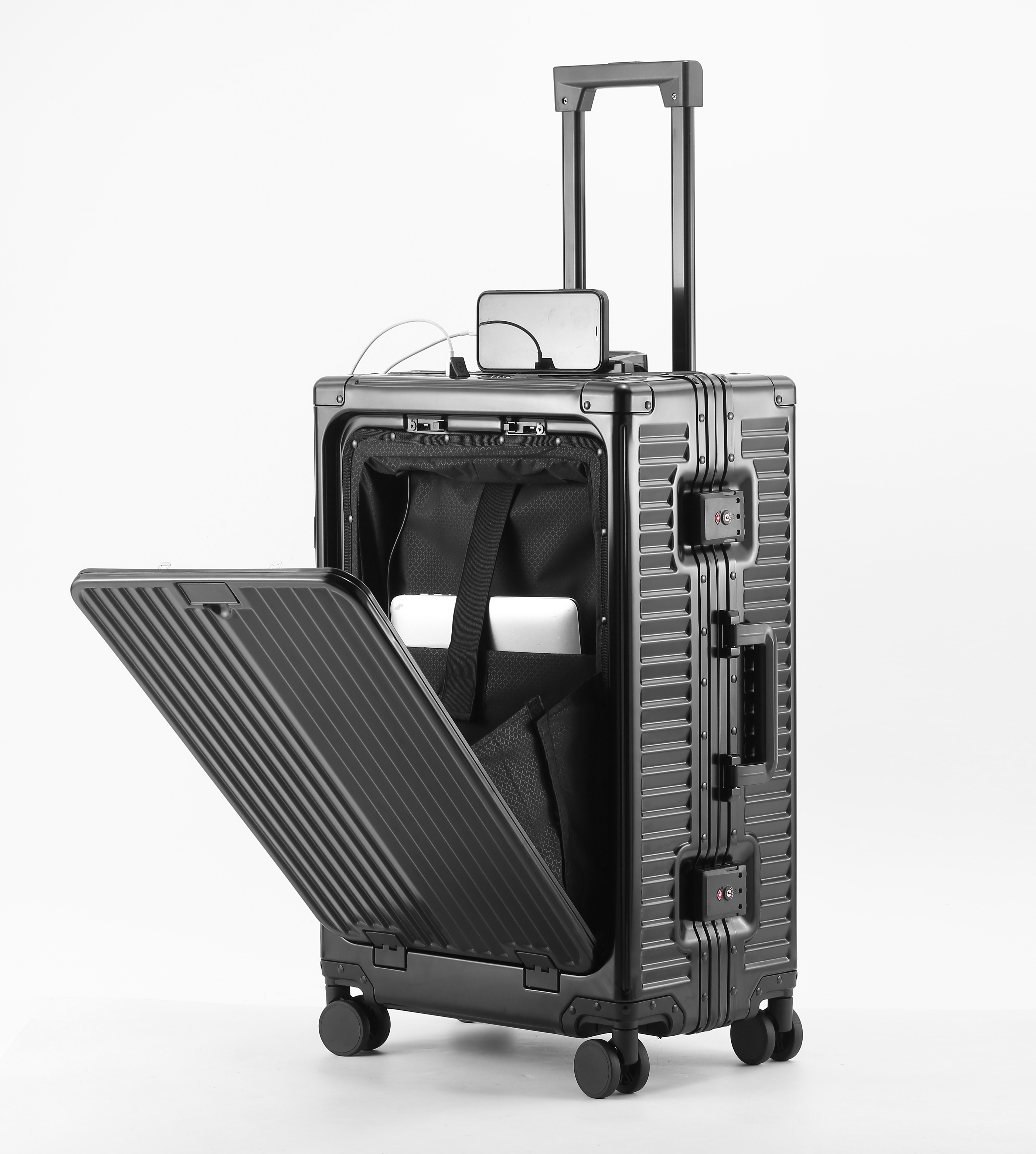
Every experienced traveler knows that a chaotic packing experience can set a negative tone for an entire trip. A well-designed suitcase does far more than simply hold your belongings — it actively structures your travel routine, reduces packing time, minimizes forgotten items, and streamlines airport transitions. Understanding how a suitcase improves travel organization efficiency is essential for anyone who travels frequently, whether for business or leisure.
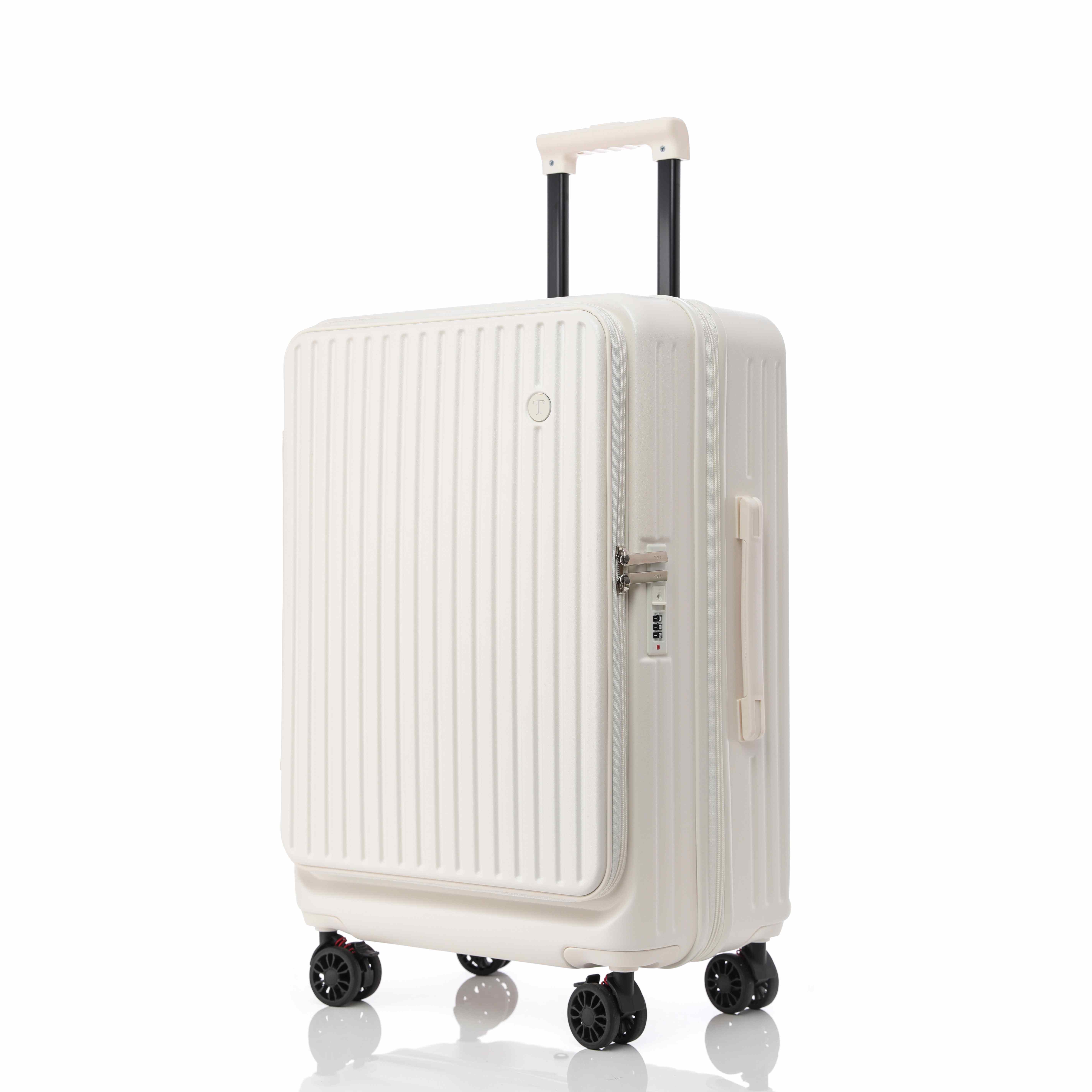
The engineering behind a modern suitcase is carefully considered to address real traveler pain points. From multi-compartment interiors and expandable frames to 360-degree spinner wheels and front-opening pockets, every feature is designed with organization and mobility in mind. This article breaks down how each structural and functional element of a quality suitcase translates directly into a more efficient, less stressful travel experience.
The Role of Interior Compartments in Keeping Items Accessible
Dedicated Zones Eliminate Rummaging and Wasted Time
One of the most immediate ways a suitcase improves travel organization is through its interior compartment layout. When packing space is divided into logical zones — clothing on one side, accessories and documents on the other — travelers can locate specific items without unpacking everything. This directional logic dramatically reduces the time spent searching through a bag.
A suitcase with mesh dividers, zippered pockets, and elastic loops allows travelers to assign specific places to specific items. Chargers, toiletries, travel documents, and footwear all have designated spaces, which means every item is predictably placed. Over multiple trips, this spatial memory becomes second nature, making packing and unpacking faster each time.
Professional travelers particularly benefit from compartmentalized designs. Business essentials such as presentation materials, formal wear, and tech accessories must remain wrinkle-free and accessible at all times. A thoughtfully divided suitcase ensures these priorities are met without compromise.
Front-Opening Pockets for Immediate Access Items
A front-opening pocket is a feature that fundamentally changes how you interact with your suitcase at airports, hotels, and transit hubs. Rather than laying the bag flat and opening the main compartment, travelers can access frequently needed items — boarding passes, power banks, snacks, or headphones — through a front panel while the suitcase remains upright.
This seemingly small design detail has a large cumulative impact on travel efficiency. Repeated access to essential items throughout a travel day is made smoother and faster. Travelers with a suitcase featuring a front-opening compartment report fewer delays at security checkpoints and boarding gates because they are never forced to open the main body of the bag in a crowded line.
Front access also supports a more professional appearance in business travel environments. Quickly retrieving what you need without disrupting organized packing signals preparedness — a small but meaningful advantage in professional settings.
How Expandable Frames Support Adaptive Packing Strategies
Flexibility for Variable Trip Lengths and Purposes
Not every trip has the same packing demands. A three-day business trip requires considerably less space than a two-week family vacation. An expandable suitcase accommodates this variability by allowing the traveler to increase packing volume when needed while maintaining a slimmer, more manageable profile for lighter loads. This adaptability is a cornerstone of travel organization efficiency.
When a suitcase can expand by several centimeters through a concealed zipper panel, it provides the flexibility to pack souvenir items or extra layers for cold destinations without resorting to an entirely different bag. This means travelers can standardize on a single trusted suitcase for most journeys, reducing the logistical complexity of managing multiple bag options.
Consistency in luggage selection also has psychological benefits. Familiarity with a specific suitcase layout means the traveler develops a reliable packing routine. Muscle memory takes over, and the entire preparation process becomes faster and less mentally taxing over time.
Preventing Overpacking Through Physical Constraints
A suitcase with a defined, fixed structure also serves as a practical constraint against overpacking. When you know exactly how much space is available, packing decisions become more deliberate. Items are assessed for necessity rather than convenience, which naturally results in a more curated and organized load.
Overpacking is one of the leading causes of travel disorganization. When a suitcase is stuffed beyond its intended capacity, interior organization breaks down. Items shift during transit, wrinkles become unavoidable, and locating specific items becomes nearly impossible without a full unpack. Respecting the structure of the suitcase is therefore an act of organizational discipline.
Expandable designs offer the best of both worlds — they provide overflow capacity when genuinely needed while still encouraging intentional packing habits during standard trips. This balance is central to how a quality suitcase supports efficient travel.
Mobility Features That Reduce Physical and Logistical Friction
360-Degree Spinner Wheels and Effortless Navigation
The physical effort involved in transporting luggage is a real component of travel fatigue. A suitcase equipped with 360-degree spinner wheels transforms mobility from a chore into an effortless task. Multi-directional wheels allow the bag to glide alongside the traveler rather than being pulled behind them, reducing strain and improving navigation through crowded terminals, tight hotel corridors, and urban streets.
Effortless mobility also contributes to organizational efficiency in a less obvious way — when your suitcase is easy to maneuver, you spend less mental energy managing its movement and more attention on the tasks at hand. At an airport, this translates to smoother navigation between check-in, security, and the gate without logistical friction slowing you down.
High-quality spinner wheels also protect the suitcase contents by minimizing impact and vibration during transport. This matters significantly for fragile items or electronics packed inside, ensuring that your carefully organized contents stay intact throughout the journey.
Telescoping Handles and Ergonomic Control
A well-engineered telescoping handle on a suitcase adjusts to the traveler's height, promoting an ergonomic posture during extended periods of walking. This seemingly simple feature reduces physical fatigue and allows the traveler to maintain composure and energy across long layovers or multi-terminal transits.
From an organizational standpoint, a sturdy, well-positioned handle keeps the suitcase under control in busy environments. A bag that tilts, wobbles, or requires constant readjustment disrupts the traveler's focus and slows down every movement. A reliable handle system ensures the suitcase remains an extension of the traveler rather than an obstacle.
Combined with spinner wheels, a high-quality handle creates a handling system that is both intuitive and efficient, contributing meaningfully to the overall travel experience and organizational performance of the luggage.
Built-In Convenience Features That Enhance Daily Travel Workflow
Cup Holders and Integrated Accessories as Workflow Tools
Modern suitcase designs increasingly incorporate convenience accessories that serve the real-time needs of travelers on the move. A built-in cup holder is one such feature — it allows travelers to carry a beverage hands-free while managing their suitcase through a terminal. While this may seem like a small luxury, it actively frees up a hand for boarding passes, phones, or other items that need to be accessed in transit.
Integrated accessories are part of a broader design philosophy that views the suitcase not merely as storage but as a mobile workflow platform. When a traveler can keep their coffee, their boarding pass, and their carry-on accessories all within reach simultaneously, the entire transit experience becomes more controlled and less frantic.
For business travelers especially, maintaining composure and productivity during transit is a priority. A suitcase that supports this workflow through thoughtful accessories enables a more professional and composed travel experience from departure to arrival.
Security Features That Protect Organizational Integrity
A suitcase with robust locking mechanisms preserves the organizational system the traveler has invested time in creating. TSA-approved combination locks prevent unauthorized access while still allowing security personnel to inspect the bag when necessary. This gives travelers confidence that their organized packing will remain undisturbed throughout the journey.
Security features also extend to the material and zipper quality of the suitcase. A bag with reinforced corners, sturdy zippers, and hard-shell or high-denier soft-shell construction is less likely to be damaged in baggage handling. When luggage is damaged in transit, the organizational integrity of the interior is compromised — items may shift, compartments may fail, and the travel routine is disrupted.
Investing in a suitcase with reliable security and structural durability is therefore not just about protecting belongings — it is about protecting the organized system that makes efficient travel possible in the first place.
FAQ
What size suitcase is best for organized travel?
The ideal suitcase size depends on trip length and travel style. A 28-inch expandable model suits most medium to long trips, offering sufficient interior volume while still accommodating airline check-in requirements. For shorter trips, a 20–22 inch carry-on suitcase with well-divided compartments can maximize organization within a compact footprint. Choosing the right size is the foundation of effective packing structure.
How does a front-opening pocket improve travel efficiency?
A front-opening pocket on a suitcase allows travelers to access frequently needed items — such as travel documents, chargers, or snacks — without opening the main compartment or laying the bag flat. This saves time and reduces disruption to the overall packed organization, especially during security checks, boarding, and hotel check-ins where quick access is essential.
Are spinner wheels really important for travel organization?
Yes, spinner wheels significantly contribute to travel efficiency by reducing the physical effort of maneuvering your suitcase. When the bag moves freely in all directions, the traveler can focus on navigation and time management rather than luggage control. This reduction in physical friction keeps energy levels higher and helps maintain the focus needed to stay organized throughout a busy travel day.
How often should I replace my suitcase to maintain travel efficiency?
A quality suitcase built with durable materials and solid hardware can last many years with proper care. Signs that it may be time to replace include failing zippers, broken wheels, compromised locks, or structural damage that prevents the bag from closing fully. When the physical integrity of a suitcase is compromised, its ability to maintain organized, efficient travel is significantly reduced, making timely replacement a practical investment.