Material selection is one of the first decisions in a luggage sourcing project, but it should not be made from a single marketing claim such as “strongest” or “lightest.” A shell material works as part of a complete system that includes thickness, geometry, frame or zipper construction, wheels, trolley, handles, lining and assembly quality.
For importers and private-label brands, the right material is the one that supports the product’s target price, user scenario, visual positioning, weight goal and quality plan. The following comparison provides a practical starting point for an RFQ.
ABS is commonly considered for value-oriented hard-shell luggage. It can support varied surface textures and colors and may be appropriate for promotional programmes, student products and entry-level retail collections.
Its commercial advantage is usually cost positioning rather than a claim of maximum performance. Buyers should pay attention to the actual shell construction, thickness, reinforcement and finished product test results. Asking only “Is it ABS?” does not provide enough information to compare two quotations.
Choose ABS when the project needs accessible pricing and attractive styling, and when the specification and validation plan are aligned with the intended use. For demanding travel scenarios, evaluate whether ABS+PC, PC, PP or a different construction offers a better balance.
ABS+PC luggage is widely used in B2B collections because it can balance appearance, performance and cost. However, “ABS+PC” may describe different constructions and ratios, so buyers should request a clear material description rather than treating the label as a universal grade.
This material route can be used for zipper luggage and aluminum-frame styles. It often suits brands building a good-better-best assortment: ABS at an opening price point, ABS+PC in the middle and PC or aluminum construction at a higher tier.
When comparing offers, review the sample’s flex, surface finish, weight, corner design and completed suitcase performance. Also confirm whether the quoted material and thickness are the same as those used in the approved sample.
Polycarbonate is often selected for products where impact behavior, flexibility and a premium hard-shell story are priorities. Its appearance can range from highly polished to textured and understated.
PC alone does not guarantee a successful suitcase. A poorly selected wheel, trolley or assembly method can still create failure points. Buyers should evaluate the whole product and request evidence relevant to the agreed specification. If a supplier uses terms such as “100% PC,” record that requirement in the final specification and confirm how it will be verified.
PC may be suitable for frequent-travel ranges, branded retail collections and buyers willing to invest more in shell performance and finish. The final decision should still be based on target cost, sample review and testing.
Polypropylene luggage is often considered for its resilience and practical construction. It has different forming and aesthetic characteristics from ABS and PC, which can influence texture, color and structural design.
PP may be attractive for buyers seeking a durable, functional product with controlled weight, but assumptions should be tested against a real sample. Review hinge or zipper areas, closure alignment, wheel housing integration and the behavior of the completed case under the agreed tests.
Because material pricing and processing differ, ask the manufacturer to explain which components or mould requirements drive the quotation. This is especially important when developing a proprietary appearance.
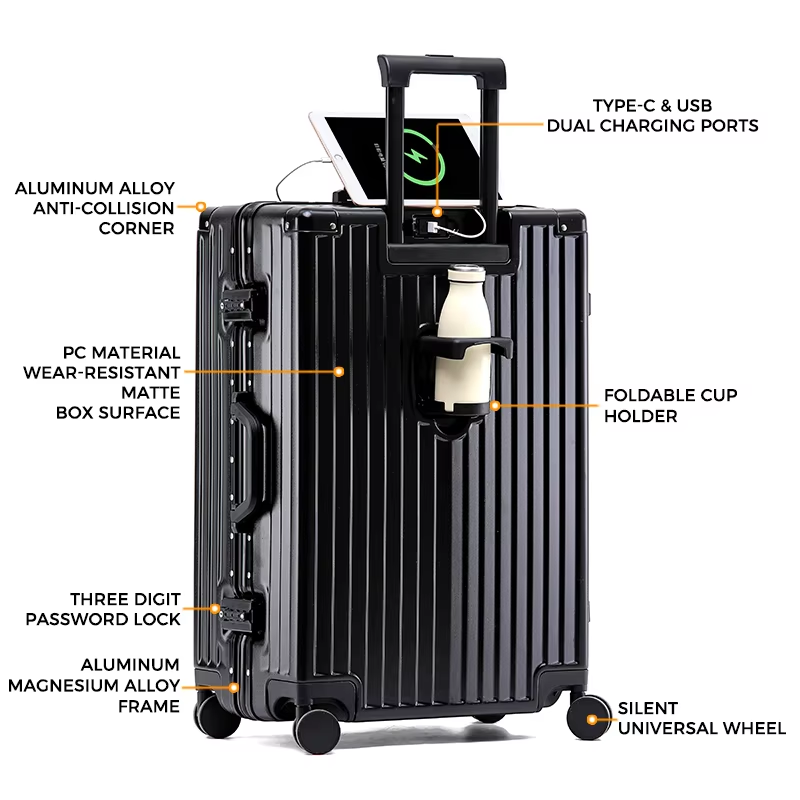
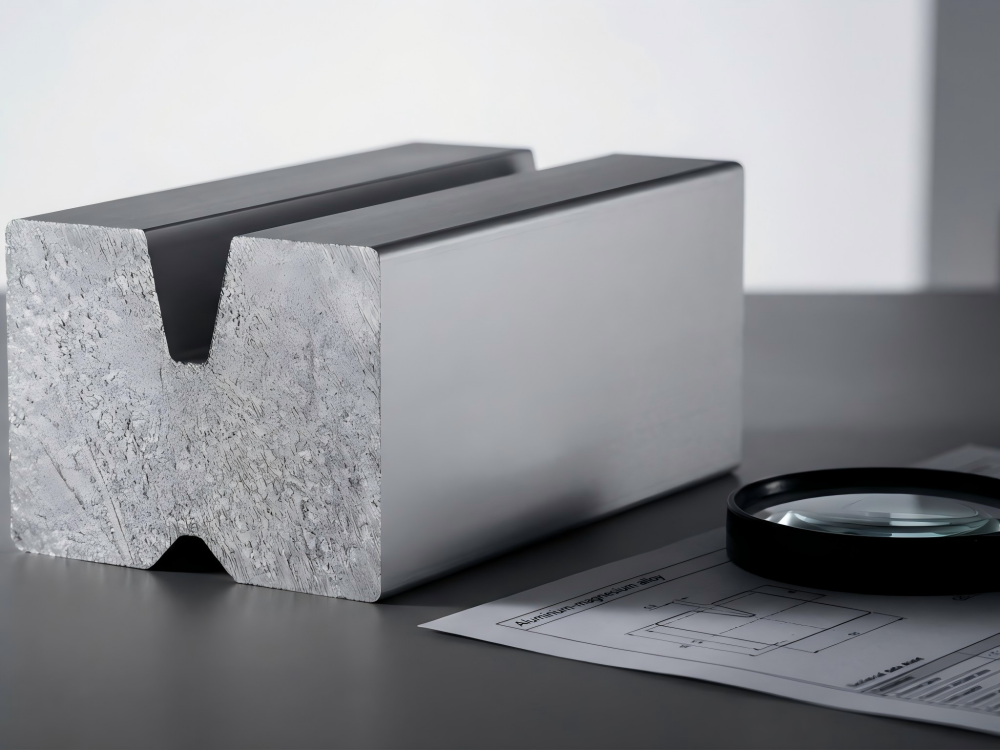
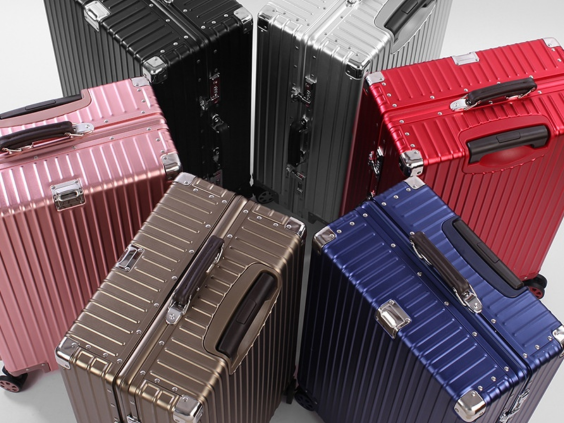
All-aluminum or aluminum-magnesium alloy luggage offers a distinctive metallic appearance and rigid frame-based construction. It is commonly positioned for premium business travel, design-led collections and specialist cases.
Buyers should consider more than the shell. Inspect frame alignment, corner protection, lock installation, handle mounting, wheel housings, interior workmanship and surface treatment. Metallic surfaces can develop visible marks during use, so the brand should decide whether that patina fits its product story and customer expectations.
Aluminum construction may also influence product weight, packaging protection and landed cost. It should be chosen for its complete value proposition, not simply because it appears premium in photographs.
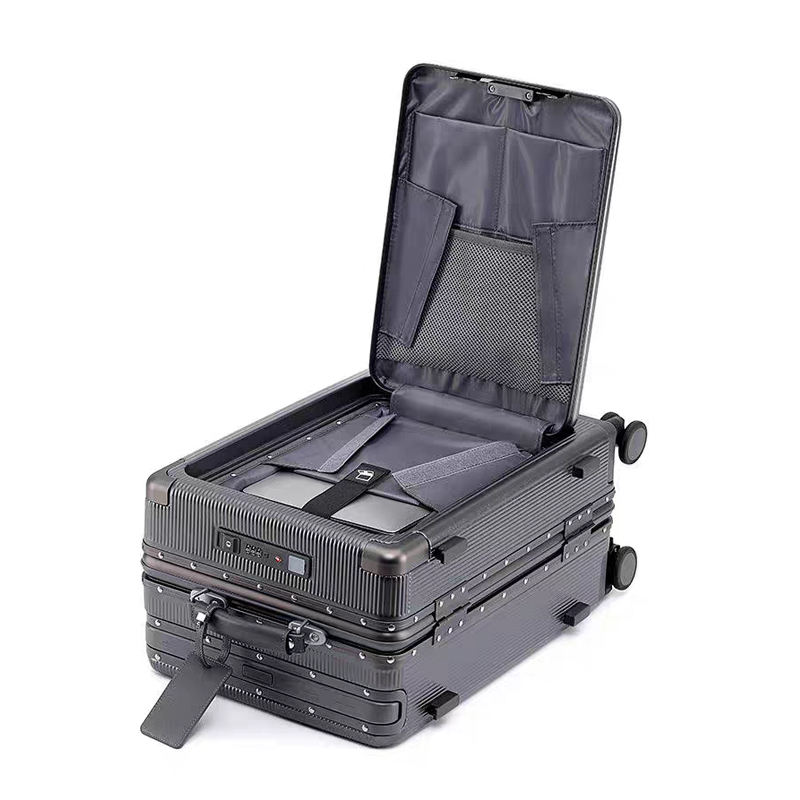
Send every shortlisted supplier the same RFQ and compare like with like. Include intended size, shell material, construction, target weight, wheel type, trolley requirements, lock, lining, accessories, logo method, packaging and test expectations. Ask suppliers to identify exclusions or alternatives instead of silently substituting components.
Before approval, review a physical sample and create a signed specification. Keep retained reference samples where practical. If the project has a strict color or surface requirement, approve it under consistent lighting and record acceptable tolerances.
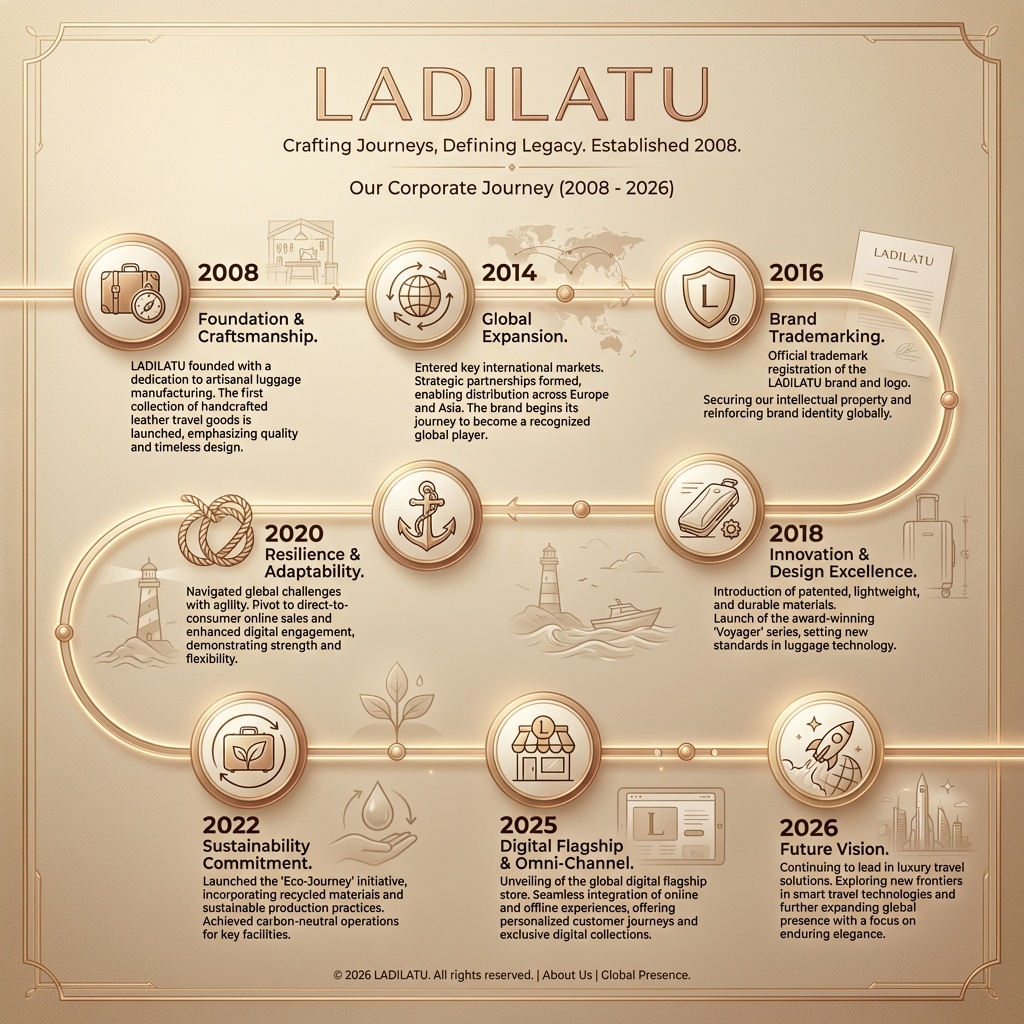
LADILATU develops luggage in aluminum-magnesium alloy, ABS, PC, PP and ABS+PC, as well as project-specific student, business, travel and equipment cases. Our team can discuss the trade-offs after learning your target market, price tier and performance priorities.


 EN
EN