A suitcase is a system of moving and load-bearing parts. A glossy shell may pass a showroom inspection while a weak wheel housing, unstable trolley, misaligned frame or poorly protected carton causes problems later. For B2B buyers, quality control should begin with the specification and continue through sampling, production and pre-shipment inspection.
The exact test method and acceptance limit must be agreed for each product and destination market. This checklist is therefore a planning tool, not a substitute for a product-specific standard or third-party laboratory advice.
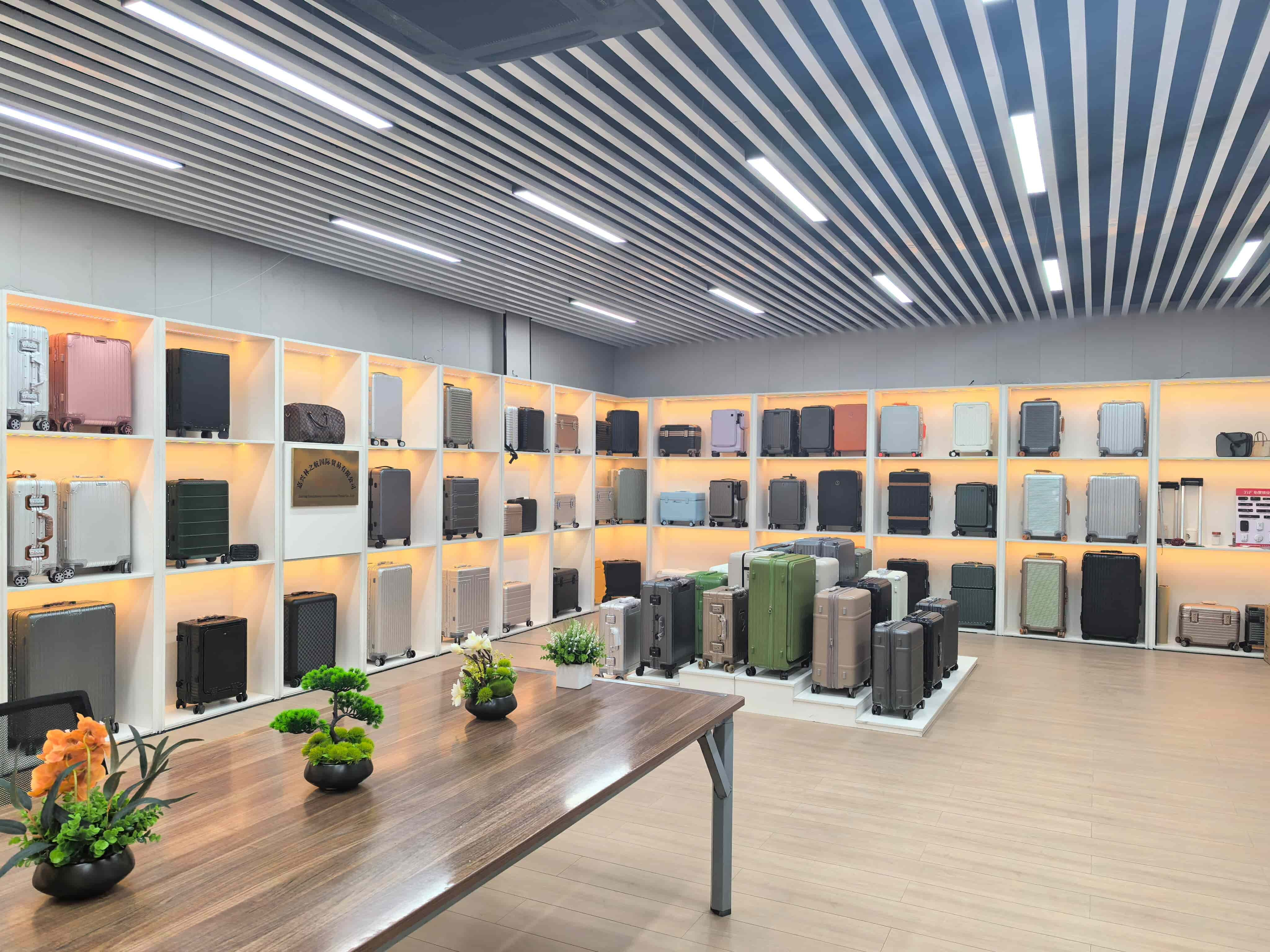
Before mass production, create one controlled specification covering materials, dimensions, weight, colors, components, logo application, workmanship, packaging and required tests. Attach clear photos or drawings. Identify which characteristics are critical, major or minor from the buyer’s perspective.
The approved sample should match the written specification. If the two conflict, production teams need a defined order of precedence. Record any changes after approval, including their effect on cost, lead time and validation.
Check the shell for cracks, deformation, dents, contamination, unacceptable scratches, color variation and uneven texture. Confirm dimensions and shell construction against the approved reference.
For aluminum-frame luggage, review frame alignment, closure consistency, corner fit and lock engagement. The case should open and close without abnormal force. For zipper luggage, inspect stitching, zipper alignment, slider movement, seam condition and stress areas around the corners.
A visual check is not enough where impact or load performance is important. Agree the relevant test setup before production, including sample conditioning, load, height or cycle count, inspection points and pass/fail criteria.

Rotate every wheel and look for binding, excessive noise, wobble, looseness or contact with the shell. Confirm that wheel housings are seated consistently and fasteners are secure. On spinner luggage, check rotation and tracking on a flat surface.
For a project requiring running or abrasion validation, document the test surface, load, speed, distance or cycle count and acceptable condition after testing. “Wheel tested” is not meaningful unless both parties understand the method and limit.
Extend and retract the trolley several times. Confirm smooth movement, positive locking at each intended position, acceptable lateral movement and correct installation. Check the grip, tubes, release button and mounting points.
Lift the loaded suitcase using the top and side handles where applicable. Look for abnormal movement, cracking, fastener pull-out or deformation around the mounting area. If repeated lifting or jerk testing is required, agree the load and cycles in the quality plan.
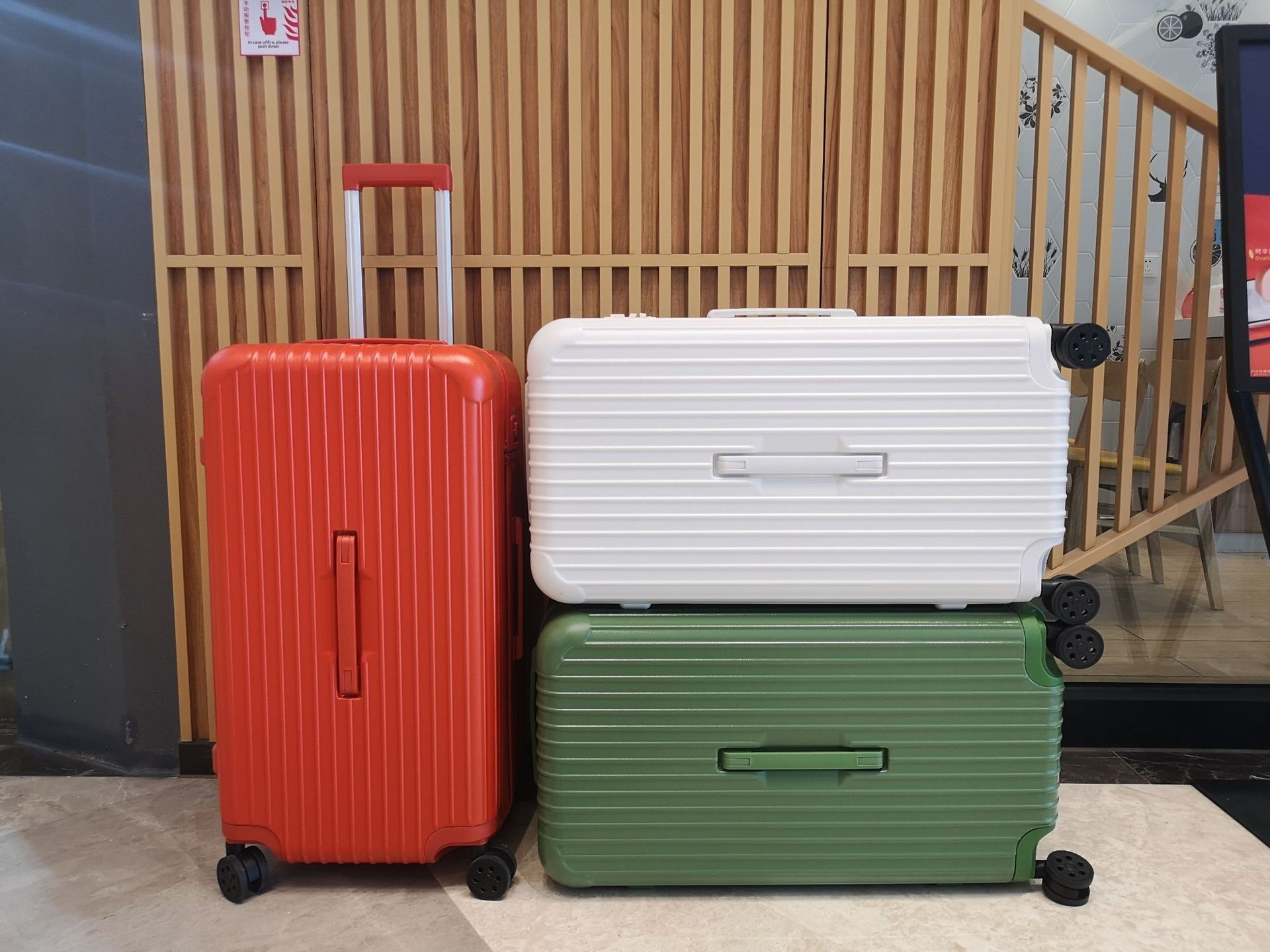
Operate each combination lock and confirm alignment with the frame or zipper pullers. If a lock is described as TSA-recognized or carries a third-party mark, verify that the sourced component and documentation support the claim; do not rely only on its appearance.
Also test project-specific functions such as USB ports, cup holders, hooks, brake wheels, front openings or wet/dry compartments. Define whether testing covers function only or also durability under repeated use.
Open the lining and inspect stitching, seams, pockets, dividers, straps, zipper operation, loose threads, stains and odors. Check whether internal fasteners or structural components are safely covered. Compare lining color, logo and layout with the approved sample.
Workmanship criteria should be illustrated where possible. Written phrases such as “good quality” or “no obvious defect” can be interpreted differently by buyer, factory and inspector.
Verify polybags, protective sleeves, corner protection, desiccants if specified, cartons, inserts, labels, barcodes and shipping marks. Check that the suitcase is immobilized and protected without creating pressure points that deform the shell.
For packaging validation, define the packed configuration and distribution test method. E-commerce, palletized wholesale and mixed-container shipments can create different risks.
Agree when inspection can occur, how units are sampled and which defects cause rejection or corrective action. If using an AQL-based inspection, specify the inspection level, lot size, defect classification and acceptance numbers rather than writing “standard AQL” without details.
Ask for clear inspection records with product identification, quantity, sample size, findings, photographs and disposition. If an issue is reworked, define how the corrected lot will be verified.
LADILATU states that its production operation is supported by automated equipment and a complete testing system, with more than 20 test reports referenced in company materials. Buyers should request the reports relevant to their actual model, material and market; one report should not be assumed to cover every product.




 EN
EN